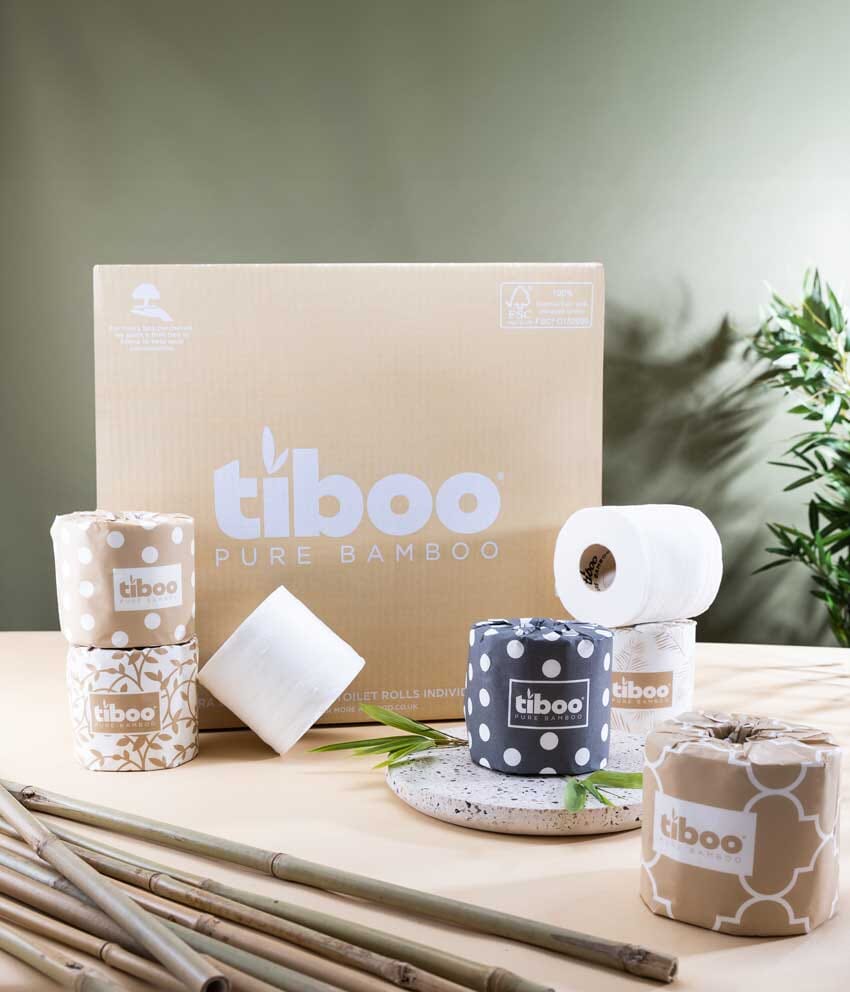
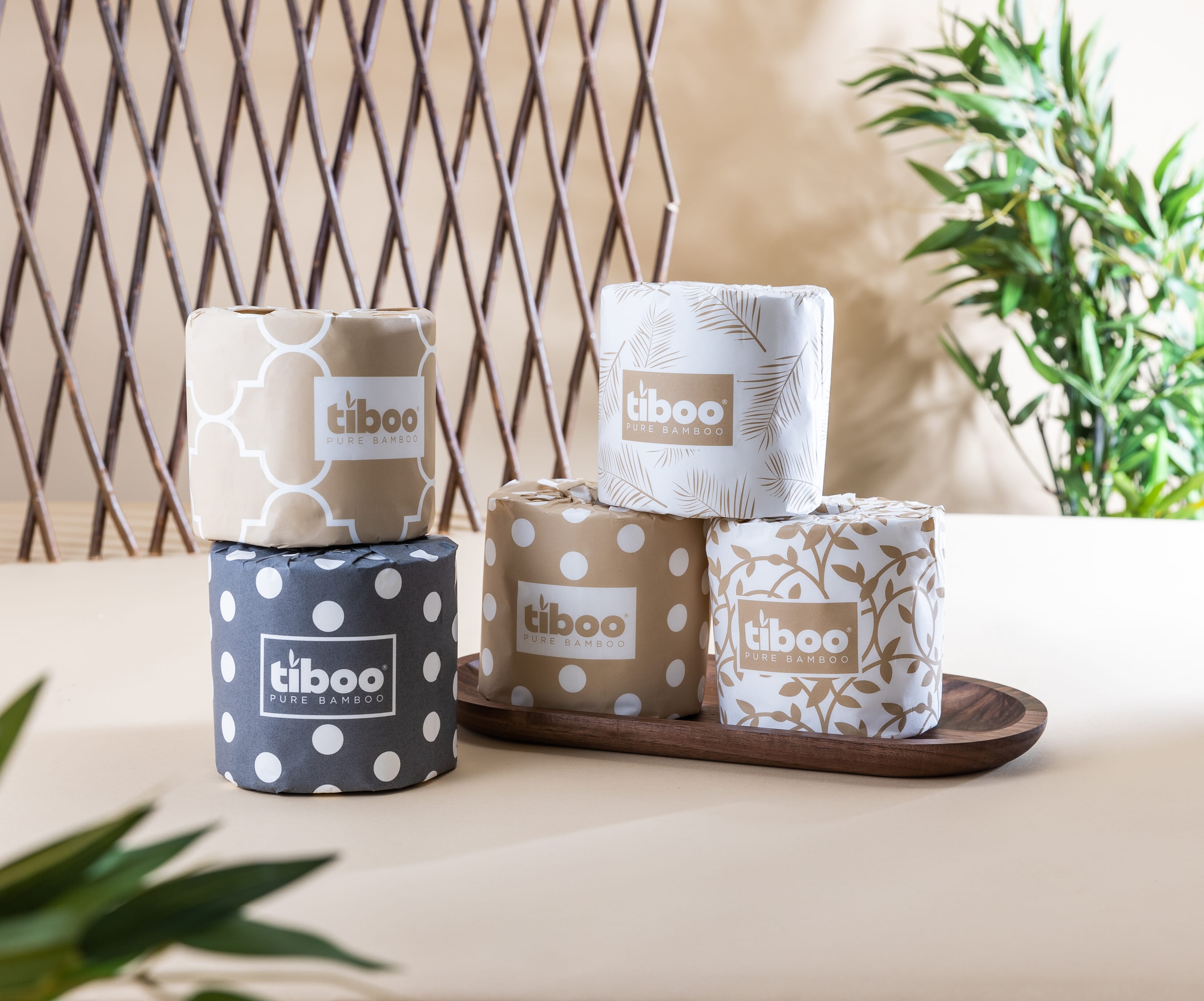
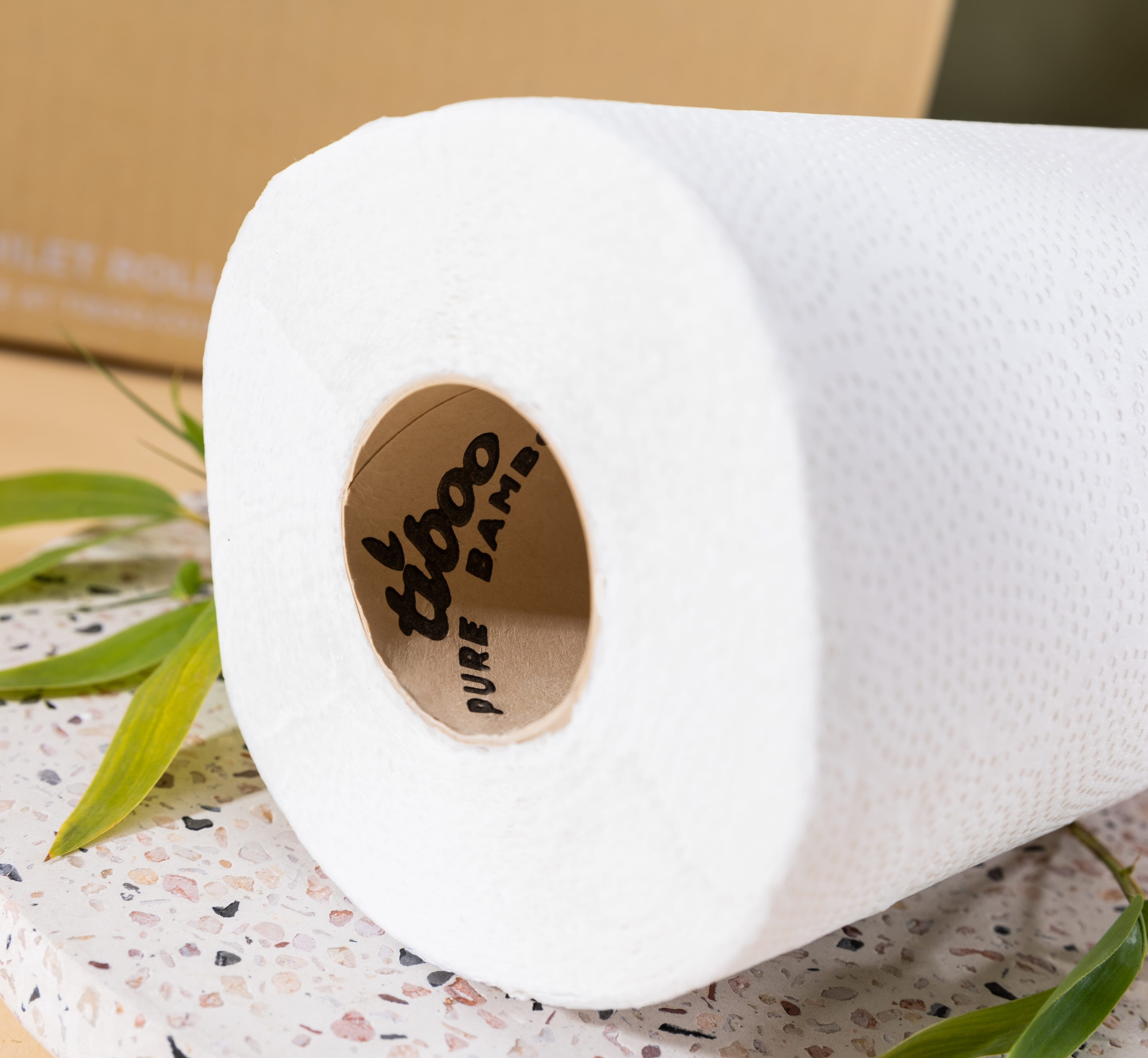
Here’s something that trips people up: wood pulp, the raw material behind almost all toilet paper, isn’t naturally white. It’s a soft beige-brown, similar to the colour of an unbleached paper towel or a brown paper bag.
To get that bright, hotel-bathroom white, manufacturers put the pulp through a bleaching process, most commonly using chlorine or chlorine derivatives. It’s a well-established industrial technique, used across the paper industry for decades, and it’s what gives conventional toilet paper its clean, white, “fresh” look.
The thing is, whiteness was never really about hygiene. It’s an aesthetic choice that became the default so long ago that most of us assume white is what toilet paper is supposed to look like. It isn’t. It’s what toilet paper looks like after an extra manufacturing step.
Unbleached toilet paper simply skips that step. The pulp goes from raw fibre to finished roll without chlorine bleaching, which is why it comes out a soft natural tan or light brown colour rather than white.
That’s really the whole distinction. It’s not a different type of paper, a different tree, or a special formula. It’s the same base material, minus one industrial process.
We get asked a lot: “why is unbleached toilet paper brown?” And the honest answer is that brown isn’t a colour that’s been added. It’s the colour that was always there, before anyone decided to bleach it out.
This is the question underneath the question, and it deserves a straight answer.
Yes, bleaching involves chemical processing, most commonly chlorine dioxide in modern paper mills (elemental chlorine gas itself was phased out across most of the industry years ago due to environmental concerns). Trace by-products from this process, including compounds called dioxins, have been studied by researchers and regulators for years. In most Western countries, including the UK, the levels found in modern bleached paper products are regulated and considered low.
We’re not going to tell you conventional toilet paper is unsafe, because the evidence for everyday use doesn’t support that claim, and we don’t think fear-based marketing is honest marketing. What we will say is this: if a process can be skipped entirely, with no meaningful loss in softness, strength, or performance, then skipping it is simply the more precautionary, more natural choice. That’s the whole philosophy behind Tiboo. Not “the other stuf
“Better” depends on what you’re optimising for, so let’s break it down honestly rather than just saying yes.
Not necessarily, and this catches a lot of shoppers out. Bamboo toilet paper refers to the fibre source, not the processing method. You can absolutely have bamboo toilet paper that’s still been chemically bleached white.
If chemical-free processing matters to you, the fibre type and the bleaching status are two separate labels to check. That’s why we’re upfront about both at Tiboo: our tissue is made from responsibly sourced fibre, and it goes through no chlorine bleaching at any stage. You shouldn’t have to guess or dig through packaging to find that out.
Generally, yes, and this is one of the genuine upsides worth knowing about. Because unbleached paper hasn’t been through additional chemical processing, it tends to break down more predictably in composting conditions, and it avoids introducing bleaching by-products into compost or septic systems.
If you’re on a septic system, or you compost at home, this is a real practical reason to make the switch, not just an environmental talking point.
We didn’t start Tiboo because we thought conventional toilet paper was scary. We started it because once you understand how the industry actually works, unbleached simply makes more sense: it’s one less unnecessary process, one less chemical step, and one less thing you have to wonder about.
We think that’s a fair, honest reason to choose a product. Not because someone told you to be afraid, but because when you strip away the marketing and look at what’s actually involved, the simpler option is often the better one.
That’s what we try to put in every roll, softness you won’t have to compromise on, sourcing you can actually understand, and a product that does exactly what it says, with nothing extra hiding behind the label.
Unbleached toilet paper is tissue made from wood, bamboo, or recycled pulp that hasn’t been chemically whitened. It keeps its natural tan or light brown colour instead of being processed to bright white.
For most people, both bleached and unbleached toilet paper are considered safe for everyday use under current regulations. Unbleached paper simply removes an extra chemical processing step, which some people, particularly those with sensitive skin, prefer to avoid.
All paper products involve some processing, but unbleached toilet paper skips chlorine-based bleaching specifically, which is the step most associated with chemical residues like dioxins in conventional paper.
Not always. Bamboo describes the fibre source, not whether the paper has been bleached. Always check both the fibre type and the bleaching status separately.
Because that’s the natural colour of pulp fibre before any bleaching agent is applied. The brown colour isn’t an additive, it’s simply the absence of one.
Yes, typically. Without chemical bleaching residues, unbleached paper tends to break down more predictably in composting and septic systems.
It depends on your priorities. If you’re focused on sensitive skin, environmental impact, or simply preferring fewer processing steps, bleach-free is generally the stronger choice. If you’re focused purely on brightness of colour, conventional bleached paper will look whiter.
Look for toilet paper that combines three things: unbleached processing, a sustainable fibre source like bamboo or recycled pulp, and minimal or plastic-free packaging. All three matter, not just one.
Yes, in most home composting systems, unbleached toilet paper made from natural fibre breaks down well, provided it hasn’t been laminated or treated with synthetic additives.
Curious to feel the difference for yourself? Explore the full Tiboo range at tiboo.co.uk.
"*" indicates required fields