Mini Basket

There are no products in your basket.

Free UK Delivery On Every Order.
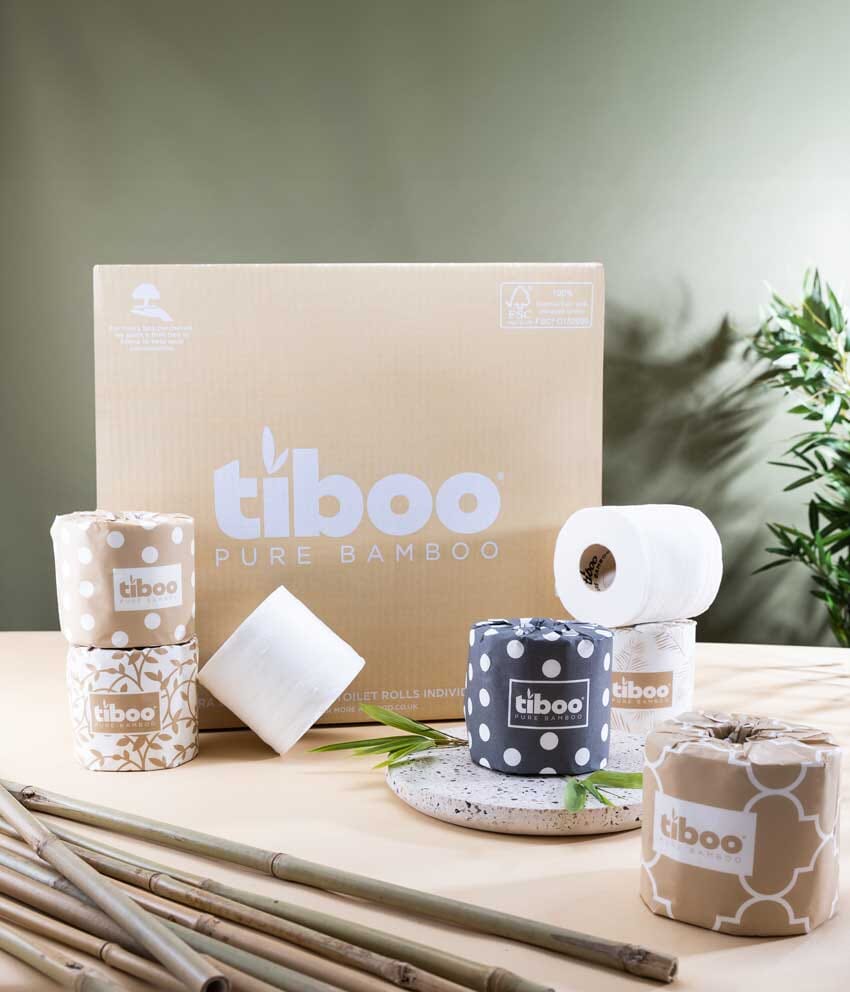
48-extra-long-individually-wrapped-toilet-rolls-lifestyle-1-1
Subscribe every month to receive 10% off with no hassle
Subscribe & Save 10% on all orders & get it delivered for FREE
Making the switch for a more sustainable you
Shop the range
11 Minute read

What Makes Toilet Tissue Eco-Friendly? 10 Key Factors to Consider

Walking down the toilet paper aisle, you’ll see products labeled “eco-friendly,” “green,” or “sustainable.” But what does that really mean? With so many brands claiming environmental credentials, how can you tell which toilet tissue truly lives up to its promises?

Categories
Sustainability
3003-PRODUCT-2.jpg?w=1024&h=916&scale
At Tiboo, transparency matters. Here’s a guide to the 10 key factors that define genuinely eco-friendly toilet tissue - so you can make informed choices for your home and the planet.

1. Source Material: Where Does It Come From?

The foundation of eco friendly toilet tissue is the fiber itself.

Sustainable options include:

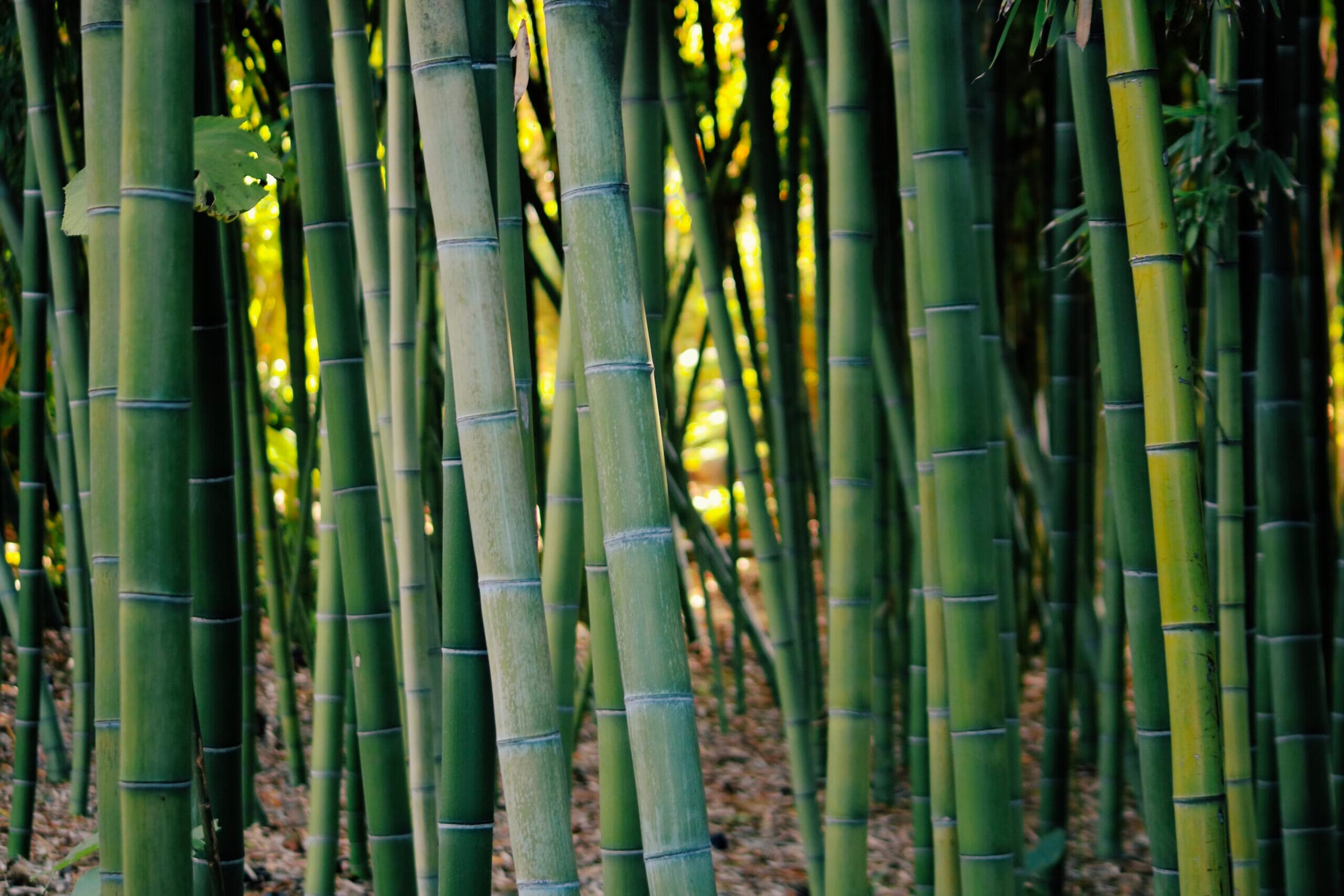
  • Bamboo: Fast-growing, regenerates in 3–5 years
  • Recycled paper: Reduces landfill waste and lowers demand for virgin trees
  • Agricultural residues: Wheat straw, sugarcane bagasse, or other byproducts

Tip: Look for brands like Tiboo that clearly state their fiber source. Vague “eco-friendly” claims are a red flag.

TF111-PRODUCT.jpg?w=1024&h=790&scale
TF192-PRODUCTa.jpg?w=1024&h=774&scale

2. Forest Certifications: Proof of Responsible Sourcing

Third-party certifications verify sustainable forestry practices. Key ones include:

  • FSC (Forest Stewardship Council): Gold standard for sustainable forestry
  • PEFC: Ensures responsible forest management
  • Rainforest Alliance: Protects biodiversity and local communities

Why it matters: Certified fibers come from responsibly managed forests, protecting ecosystems and indigenous rights.

3. Bleaching Process: Chemical-Free is Key

Conventional toilet paper is bleached with chlorine, producing dioxins and organochlorines – toxic compounds that pollute waterways.

Eco-friendly alternatives:

  • Unbleached: Natural color, no chemicals
  • Oxygen-based bleaching: Uses hydrogen peroxide instead of chlorine
  • PCF / TCF: Processed or Totally Chlorine-Free

Tip: Look for “chlorine-free” or “TCF/PCF” labels to avoid chemical residues.

4. Water Usage: Conservation Matters

Bamboo Toilet paper manufacturing can be water-intensive. Eco-friendly brands:

  • Recycle and reuse water in closed-loop systems
  • Avoid chlorine bleaching, reducing rinse cycles
  • Treat wastewater before release

Impact: Some sustainable toilet papers use up to 50% less water than conventional options.

5. Carbon Footprint: From Production to Bathroom

Consider the full lifecycle:

  • Raw materials: Bamboo absorbs more CO₂ than trees; recycled paper avoids harvesting emissions
  • Manufacturing: Renewable energy vs fossil fuels
  • Transportation: Local sourcing lowers shipping emissions
  • Packaging: Minimal and recyclable

Eco-friendly brands actively reduce emissions at every stage.

6. Packaging: Plastic-Free and Minimal

Eco-friendly tissue packaging should be:

  • Plastic-free and recyclable or compostable
  • Minimal, only enough to protect the product
  • Printed with plant-based inks

Plastic-wrapped rolls contribute to ocean pollution – choose alternatives wherever possible.

7. Biodegradability: Safe for Septic & Sewage Systems

High-quality toilet tissue breaks down quickly without harmful residues:

  • Natural fibers decompose efficiently
  • Septic-safe formulations reduce clogs and microplastic contamination
  • No chemical additives slowing decomposition

8. Chemical Additives: What’s NOT in the Tissue

Some papers contain unnecessary chemicals that undermine eco-friendliness:

  • BPA, PFAS, synthetic fragrances, formaldehyde, or petroleum-based inks
  • Eco-friendly tissue contains only pure fiber – nothing else

9. Manufacturing Ethics: People and Planet

Sustainability isn’t only environmental – social responsibility matters too:

  • Fair labor practices and safe working conditions
  • Transparent supply chains
  • Community support and B Corp certifications

10. Company Commitment: Beyond the Product

The greenest brands integrate sustainability into every part of their business:

  • Clear sustainability goals
  • Renewable energy and carbon reduction
  • Reforestation or conservation projects
  • Circular economy initiatives

Look for brands where eco-consciousness is a core value, not a one-off product claim.

Your Eco-Friendly Toilet Tissue Checklist

When shopping, ask yourself:

Are fibers sustainable (bamboo, recycled, tree-free)?
Does it carry credible certifications (FSC, TCF, PEFC)?
Is it unbleached or chlorine-free?
Is the packaging plastic-free and minimal?
Is it biodegradable and septic-safe?
Does it avoid harmful chemical additives?
Does the brand demonstrate genuine sustainability?

The more “yes” answers, the more confident you can be in your choice.

Why Tiboo Checks All the Boxes

Tiboo’s toilet tissue is designed with all 10 factors in mind:

  • FSC-certified bamboo fibers
  • Completely chlorine-free
  • Minimal water use
  • Carbon-conscious production and shipping
  • 100% plastic-free, recyclable packaging
  • Rapid biodegradability
  • Zero harmful chemicals
  • Ethical manufacturing
  • Transparent supply chain
  • Active environmental restoration initiatives

Every roll represents a holistic approach to sustainability – from forest to flush.

Making the Switch: Your Impact Multiplied

The average person uses 100 rolls per year. Switching to genuinely eco-friendly tissue can:

  • Save millions of trees annually
  • Prevent thousands of tons of chlorine from polluting waterways
  • Reduce landfill waste
  • Support global sustainable forestry

Your bathroom choices create ripples far beyond your home.

FAQ: Eco-Friendly Toilet Tissue

Q1: Is eco-friendly toilet tissue as soft and strong as regular toilet paper?

Yes. Modern eco-friendly tissue is designed for comfort and strength while avoiding harmful chemicals.

Q2: Can unbleached tissue clog my septic system?

No. Eco-friendly tissue is biodegradable and septic-safe, breaking down efficiently without residue.

Q3: What certifications should I look for?

FSC, PEFC, Rainforest Alliance, TCF, and PCF labels indicate responsible sourcing and chemical-free processing.

Q4: Does bamboo tissue harm forests?

No. Bamboo grows quickly, regenerates naturally, and is harvested sustainably — unlike old-growth tree pulp.

Q5: Is eco-friendly packaging really necessary?

Yes. Plastic packaging contributes to ocean pollution; paper or plant-based packaging minimises environmental impact.

Q6: How can I be sure a brand is genuinely sustainable?

Look beyond marketing: check fiber sources, certifications, chemical use, and whether the company shares sustainability goals or environmental projects.

footer-scaled

Sign up for deals

Sign up to the Tiboo® newsletter and get special offers direct to your mailbox!

Sign up to our emails

"*" indicates required fields
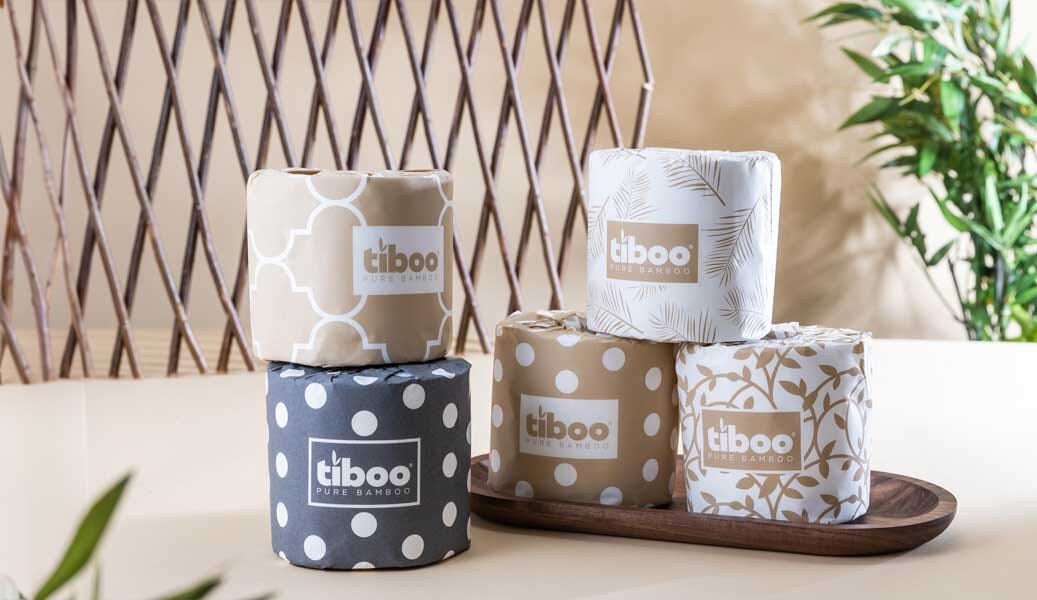
Tiboo® Pure Bamboo will produce 30% more oxygen than trees and is naturally hypoallergenic, anti-fungal and anti-bacterial. If you want the most sensational toilet tissue that's silky soft and great for your skin, or a kitchen towel that's as strong as an ox then step inside and join us.