Immediately after flushing, toilet paper mixes with water and travels through your home’s pipes. The paper must break apart quickly to avoid clumping or sticking to pipe walls. If the paper stays thick or strong for too long, it can slow the flow and create blockages.
Good toilet paper is designed to stay strong while dry and dissolve once wet. This balance helps protect your plumbing and reduces the risk of clogs. Paper that breaks down faster moves smoothly through the system.
Next, the wastewater travels either to a public sewer system or to a private septic tank. Homes connected to city systems send waste to treatment plants. Rural homes often rely on septic tanks that break down waste on-site.
In both cases, toilet paper must disintegrate quickly. In septic tanks, slower breakdown can cause buildup and reduce tank space. In sewer lines, clumps can combine with grease and other debris, which may create large blockages. Fast-dissolving paper lowers risk in both systems.
Toilet paper is made from plant fibers. When these fibers absorb water they loosen and separate. Agitation from flowing water speeds up the process. Within minutes, most quality paper starts to fall apart into small pieces.
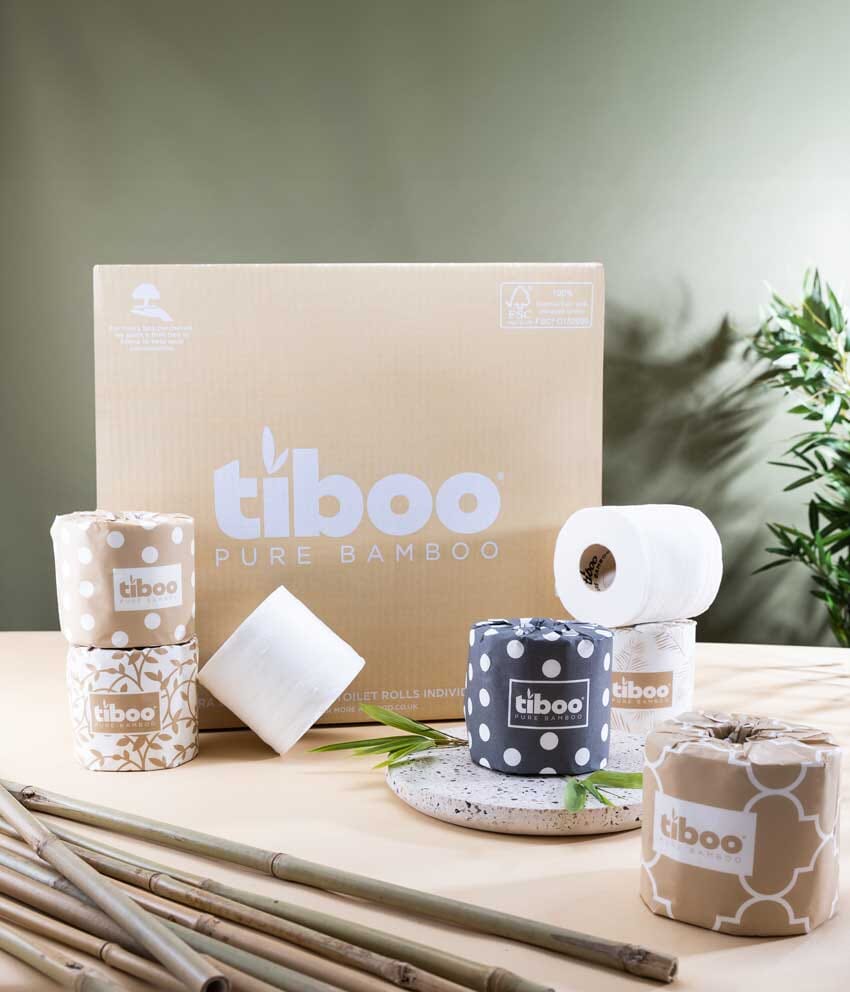
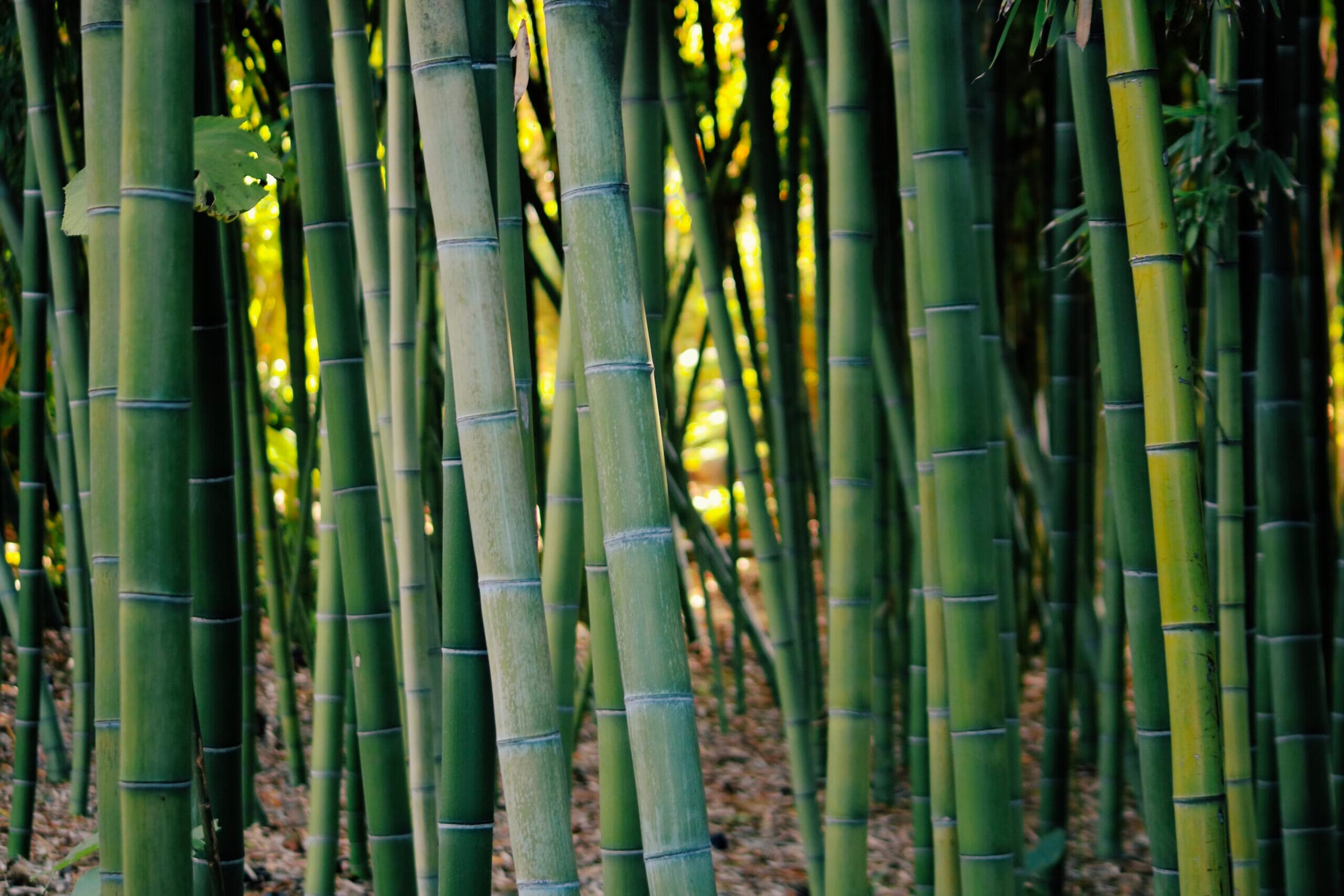
Bamboo fibers are naturally soft and flexible. They tend to separate quickly when wet, which helps them break down faster. This is why many people choose bamboo toilet rolls for plumbing safety and smoother flushing performance.
After travelling through sewer pipes, wastewater reaches a treatment plant. These facilities remove solids and clean the water before releasing it back into nature. Treatment happens in several stages.
First, large debris is filtered out. Then, heavier solids settle at the bottom of tanks. After that, helpful bacteria break down organic waste. Toilet paper becomes part of this solid waste and is processed along with other materials.
Paper that dissolves easily is simpler to treat. It breaks into small fibers that bacteria can handle more efficiently. This makes the treatment process faster and more energy efficient.
Treatment plants use data to track flow rates, solid waste levels and breakdown time. These numbers help them adjust equipment and improve performance. If too much slow-dissolving material enters the system, it increases strain and cost.
Data shows that paper designed to break down quickly reduces maintenance and blockages. Products made from bamboo often perform well in these tests because the fibers separate faster than many traditional wood pulp options. This supports both plumbing health and public
The solid material collected during treatment is called sludge. This sludge goes through further processing. It may be dried and treated and then reused in safe ways, such as soil improvement or energy production.
Toilet paper fibers become part of this process. Since they are plant-based, they break down naturally over time. Paper that contains fewer chemicals is easier to manage and safer for reuse or disposal.
Once treated, clean water returns to rivers or lakes or is reused for irrigation. Properly broken-down paper does not harm these systems. It becomes part of the natural cycle.
Using renewable materials also reduces the overall environmental footprint. Products like bamboo toilet rolls, bamboo kitchen rolls and bamboo tissue come from fast-growing bamboo, which uses less water and fewer chemicals. This means less impact at both the start and end of the product life.
Traditional wood pulp paper may take longer to break apart, depending on thickness and processing. Some heavy or quilted papers are strong but dissolve slowly, which increases the risk of clogs.
Bamboo paper offers a balance between strength and quick breakdown. Bamboo toilet rolls remain soft and durable during use, yet separate easily in water. Bamboo Toilet Tissue and bamboo kitchen rolls also show similar behaviour when disposed of properly. This makes bamboo products a practical option for households concerned about plumbing and sustainability.
<h2.Tips for Flushing Paper Safely
Good habits help protect plumbing regardless of the type of paper you choose.
Use only the amount of paper you need for each flush. Avoid flushing large bundles at once. Never flush wipes or non-paper products. Keep drains and pipes well-maintained to prevent buildup.
These simple steps, combined with fast-dissolving paper, reduce the chance of blockages and repairs.
Not all plumbing systems are the same. Older pipes and low water pressure may slow down waste movement. Septic tanks also vary in size and condition. Because of this, performance can differ from home to home.
Even with these differences, a paper that dissolves quickly still offers an advantage. Data and user experience show fewer issues when households choose products designed for rapid breakdown.
Toilet paper may seem like a small item, but it passes through large public systems every day. Millions of flushes add up. Choosing better materials reduces strain on plumbing networks and treatment plants.
Selecting renewable options like bamboo toilet rolls, bamboo kitchen rolls and bamboo tissue supports both home performance and environmental care. These products break down efficiently and come from sustainable sources, which makes them a smart everyday choice.
So what happens to toilet paper after it’s flushed is simple but important. It travels through pipes and sewer lines and treatment plants, where it must break down quickly to avoid problems. Paper that dissolves fast protects plumbing and makes wastewater treatment easier.
Bamboo-based products offer a strong yet fast-breaking solution. Options such as bamboo toilet rolls, bamboo kitchen rolls and bamboo tissue support smoother flushing and lower environmental impact. Making informed choices helps keep both your home and the planet clean and healthy.
"*" indicates required fields