Years ago, plastic was introduced as a modern solution. It was light, durable and affordable. Because of these benefits, it quickly replaced traditional materials. Shops and manufacturers relied on it for packaging and storage.
Over time, plastic became part of daily life without much thought. People used it once and threw it away. This pattern continued for years. Now the effects are clear and harder to ignore.
Recent years have seen a rise in awareness about environmental issues. News reports and documentaries have shown the impact of plastic waste on oceans and wildlife. These stories have reached millions of people.
As a result, many households began to rethink their choices. They started asking where their waste goes and how long it lasts. This shift in thinking has played a major role in The Shift Towards Plastic Free Living in British Households.
Plastic-free living does not mean removing all plastic instantly. That would be unrealistic for most people. Instead, it focuses on reducing avoidable plastic and replacing it with better options.
Households begin by identifying common items they use daily. They then look for alternatives that create less waste. This step-by-step approach makes the process manageable and sustainable.
Many changes start in simple areas of the home. People switch from single-use bags to reusable ones. They choose glass or metal containers instead of plastic ones.
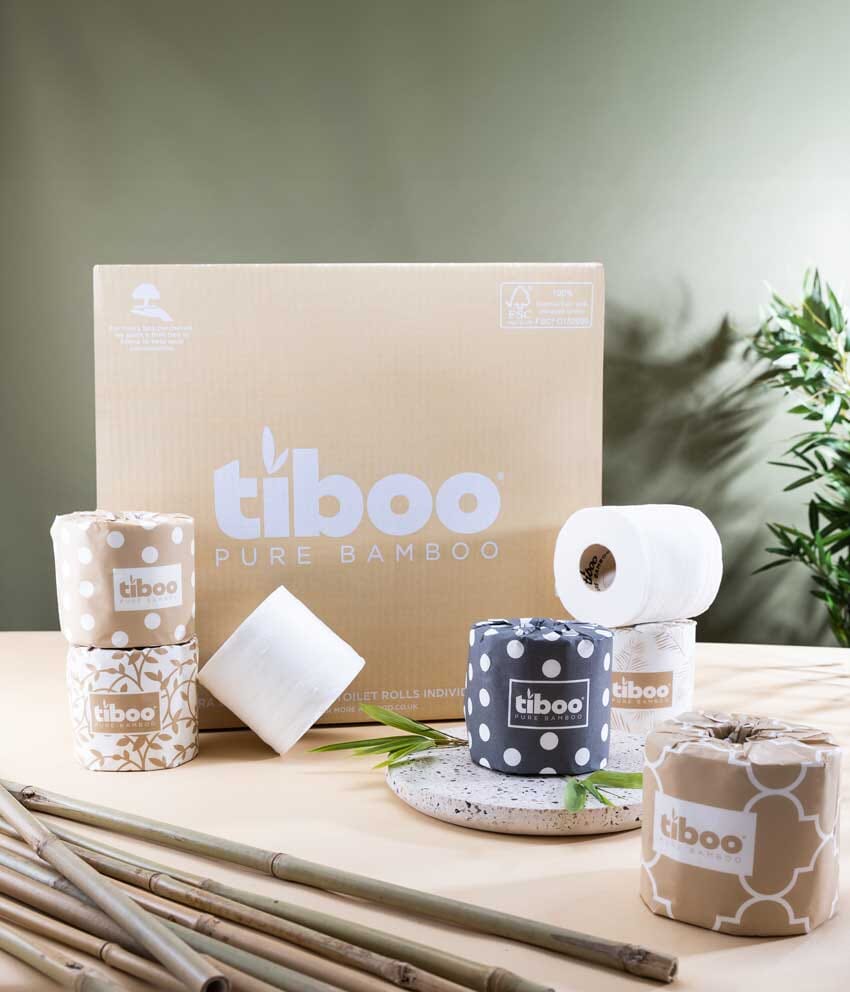
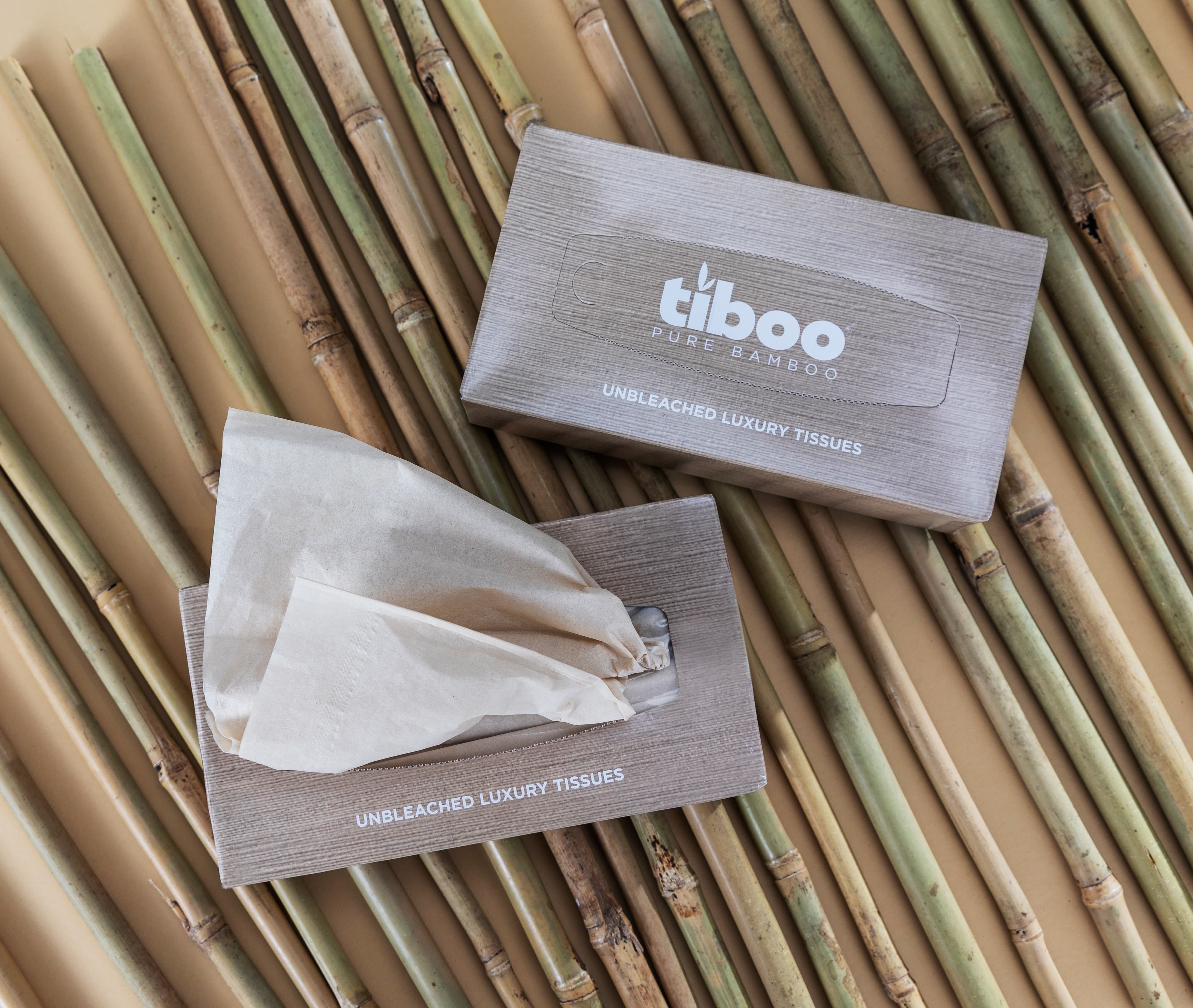
In the bathroom and kitchen, small swaps also make a difference. Choosing bamboo toilet rolls helps reduce reliance on plastic-wrapped products. Similar changes, like bamboo kitchen rolls and bamboo tissue, support this shift in a practical way.
These small actions may seem minor, but they add up over time.
Shopping habits strongly influence plastic use. More consumers now look at packaging before buying a product. They prefer items with less plastic or no plastic at all.
Farmers’ markets and refill shops have become more popular. These places allow people to buy goods without unnecessary packaging. Supermarkets are also adapting by offering more eco-friendly options. This change in buying behaviour supports the growth of sustainable products.
Despite progress, plastic free living is not always easy. Some products still rely heavily on plastic for safety or freshness. This makes complete avoidance difficult.
Cost can also be a concern. In some cases, plastic free products are more expensive. Availability may vary depending on location. These challenges show that the shift takes time. It is not about perfection but about consistent effort.
Many families start small and build new habits gradually. They focus on one area at a time, such as the kitchen or bathroom. Once they feel comfortable, they move to other areas.
Children also play a role in this change. Schools often teach about waste and recycling. This encourages families to adopt better habits at home. Over time, these changes become part of the daily routine
Reducing plastic use has clear environmental benefits. Less plastic waste means fewer items in landfills and oceans. It also reduces pollution and protects wildlife.
Lower demand for plastic leads to reduced production. This saves energy and resources. These benefits show why The Shift Towards Plastic Free Living in British Households is important for long-term sustainability.
Social trends have helped spread awareness about plastic reduction. People share tips and ideas through online platforms. This creates a sense of community and shared purpose.
Seeing others make changes can motivate more people to try. It also shows that plastic free living is possible in everyday life. This collective effort strengthens the movement and keeps it growing.
The future of plastic free living looks promising. More businesses are exploring alternative materials and packaging. Innovation continues to create better solutions.
Consumers are also becoming more aware and selective. They expect brands to be honest and responsible. This pressure encourages companies to improve their practices. As a result, plastic free options are likely to become more accessible.
Start by noticing where plastic appears in your daily routine. Choose one area to improve and focus on it. Replace single-use items with reusable ones where possible. Look for products with minimal packaging. Support brands that offer sustainable options. Small changes made consistently can lead to lasting habits.
The Shift Towards Plastic Free Living in British Households reflects a change in awareness and behaviour. People are no longer ignoring the impact of plastic. They are taking steps to reduce waste and make better choices.
This shift is not about being perfect. It is about being mindful and making gradual improvements. Every small action contributes to a larger goal. As more households adopt these habits, the impact grows stronger. This shows that simple choices can lead to meaningful change for the environment and future generations.
"*" indicates required fields