Softness comes from the structure of the fibers. Thin flexible fibers create a smoother surface that feels gentle against the skin. When fibers are loosely arranged they trap air which adds a soft cushion effect.
Manufacturers often use special techniques to increase softness. They may brush or treat the surface to create a fluffy texture. However, too much processing can weaken the paper. True softness should come from the natural quality of the material rather than heavy chemical treatment.
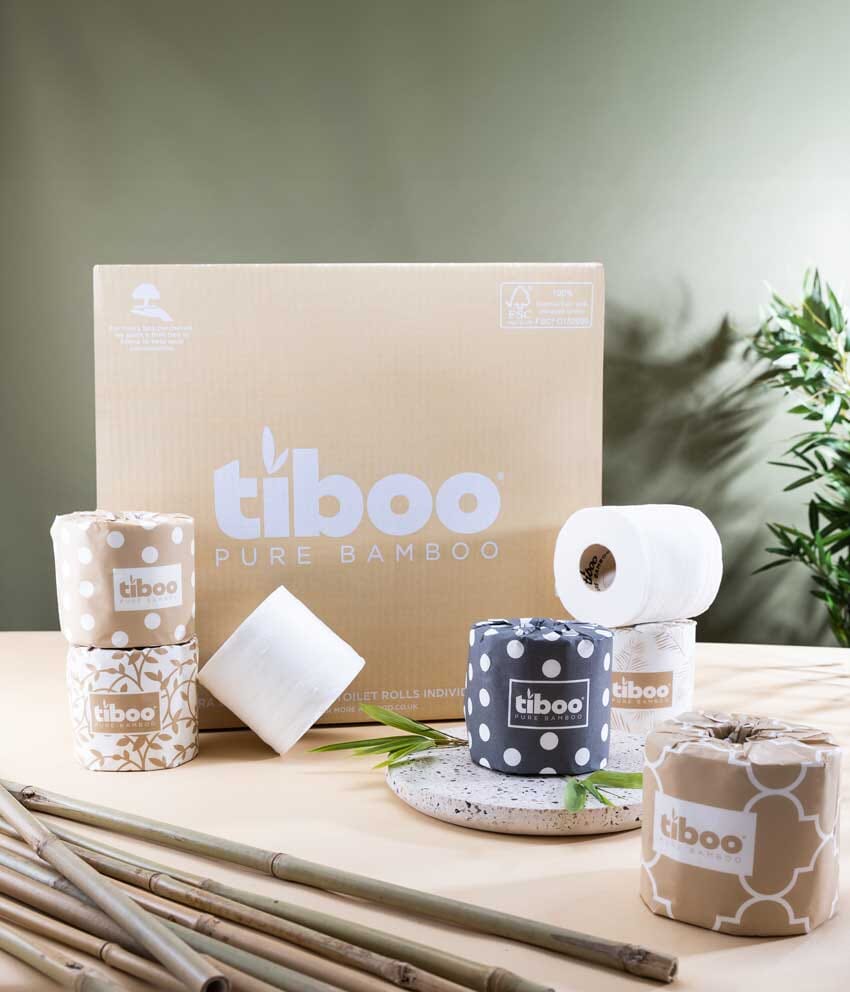
Bamboo naturally has smooth, round fibers. This gives bamboo toilet rolls and bamboo tissue a gentle feel without needing harsh additives.
Strength refers to how well the paper holds together during use. It must resist tearing when dry and when wet. This quality depends on fiber length and how tightly the fibers bond together.
Long fibers create stronger connections. These connections allow the sheet to stay intact when pressure is applied. Paper with short or weak fibers breaks easily and creates frustration during use.
Strong paper reduces waste because fewer sheets are needed. It also performs better for cleaning and wiping tasks.
Fiber length plays a major role in both softness and strength. Short fibers create a smooth surface but may tear quickly. Long fibers create durability but may feel rough if not processed carefully.
The challenge is to combine both benefits. Bamboo fibers are naturally long and flexible. They create a strong sheet while still maintaining a soft feel. This balance explains why bamboo toilet rolls, bamboo kitchen rolls, and bamboo toilet tissue often feel both sturdy and comfortable.
Data from product testing shows that bamboo fibers perform well in both dry strength and wet strength tests while maintaining softness.
Another factor is ply design. Ply refers to the number of layers in the paper. Two ply or three ply paper combines multiple thin sheets into one stronger sheet. This increases durability without making the surface rough.
Layering also traps air between sheets. This improves softness and absorbency. More layers often mean better comfort but too many layers can slow down breakdown in plumbing. Good design finds the right middle ground.
Balanced ply construction helps create paper that feels soft yet remains reliable during use.
Manufacturers rely on data to measure softness and strength. They test how much force a sheet can handle before tearing. They also measure thickness, texture and absorbency.
Consumer feedback adds another layer of insight. People report how the paper feels and how many sheets they use. This information helps brands improve design over time.
Data driven testing ensures products meet real needs instead of relying on marketing claims. It also helps maintain consistent quality from roll to roll.
Traditional toilet paper made from wood pulp often needs extra processing to become soft. This can involve bleaching or chemical treatments. While these steps may improve feel they can weaken fibers or irritate sensitive skin.
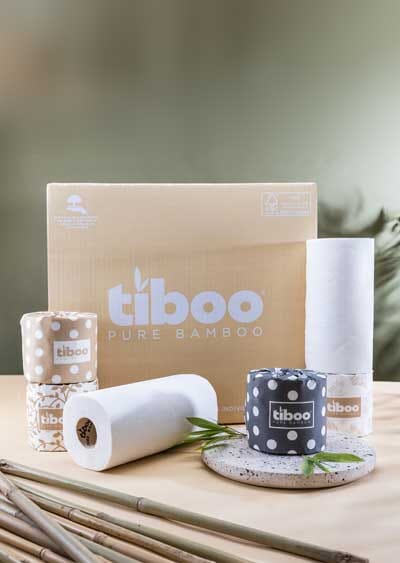
Bamboo offers a natural advantage. Its fibers are smooth and strong from the start. Bamboo toilet rolls often require fewer chemicals which keeps the product gentle and durable. Bamboo kitchen rolls also benefit from this strength which makes them suitable for tougher cleaning tasks.
This natural balance reduces the need for artificial changes and supports a more eco friendly process.
Absorbency is closely linked to softness and strength. Soft paper absorbs liquid quickly because of its airy structure. Strong paper holds together when wet. Combining both qualities ensures better everyday performance.
Bamboo paper absorbs moisture efficiently while maintaining shape. This allows fewer sheets to do the job. It improves comfort and reduces waste at the same time.
Good absorbency also makes paper more versatile for both bathroom and kitchen use.
Durable paper has an environmental benefit. When each sheet is stronger and more absorbent people use less overall. This reduces consumption and waste.
Bamboo grows quickly and requires less water than trees. Choosing bamboo toilet rolls, bamboo kitchen rolls, and bamboo tissue supports sustainable sourcing while also providing reliable strength. Data shows that longer lasting rolls lead to fewer replacements which lowers environmental impact over time.
Some people believe that soft paper must be weak or that strong paper must be rough. This is not always true. Modern materials and better design allow both qualities in one product.
Another myth is that thicker paper is always better. Thickness alone does not guarantee performance. Fiber quality and structure matter more. Smart design often beats simple bulk.
Understanding these myths helps buyers focus on real performance instead of marketing claims.
Choosing the right product becomes easier with a few simple checks.
Look for natural materials with strong fibers. Check for balanced ply design. Read reviews about comfort and durability. Avoid products that rely heavily on chemicals for softness.
Trying options like bamboo based paper can help you find a better balance of comfort and strength for daily use.
The science behind softness vs strength in toilet paper shows that both qualities depend on fiber structure, layering and smart design. Softness provides comfort while strength ensures reliability. The best products combine both without compromise.
Bamboo offers a natural solution because its fibers are smooth and durable. Products such as bamboo toilet rolls, bamboo kitchen rolls and bamboo tissue deliver comfort, strength and sustainability in one package.
Understanding how toilet paper is made helps you choose wisely and enjoy better performance every day while supporting a healthier planet.
"*" indicates required fields