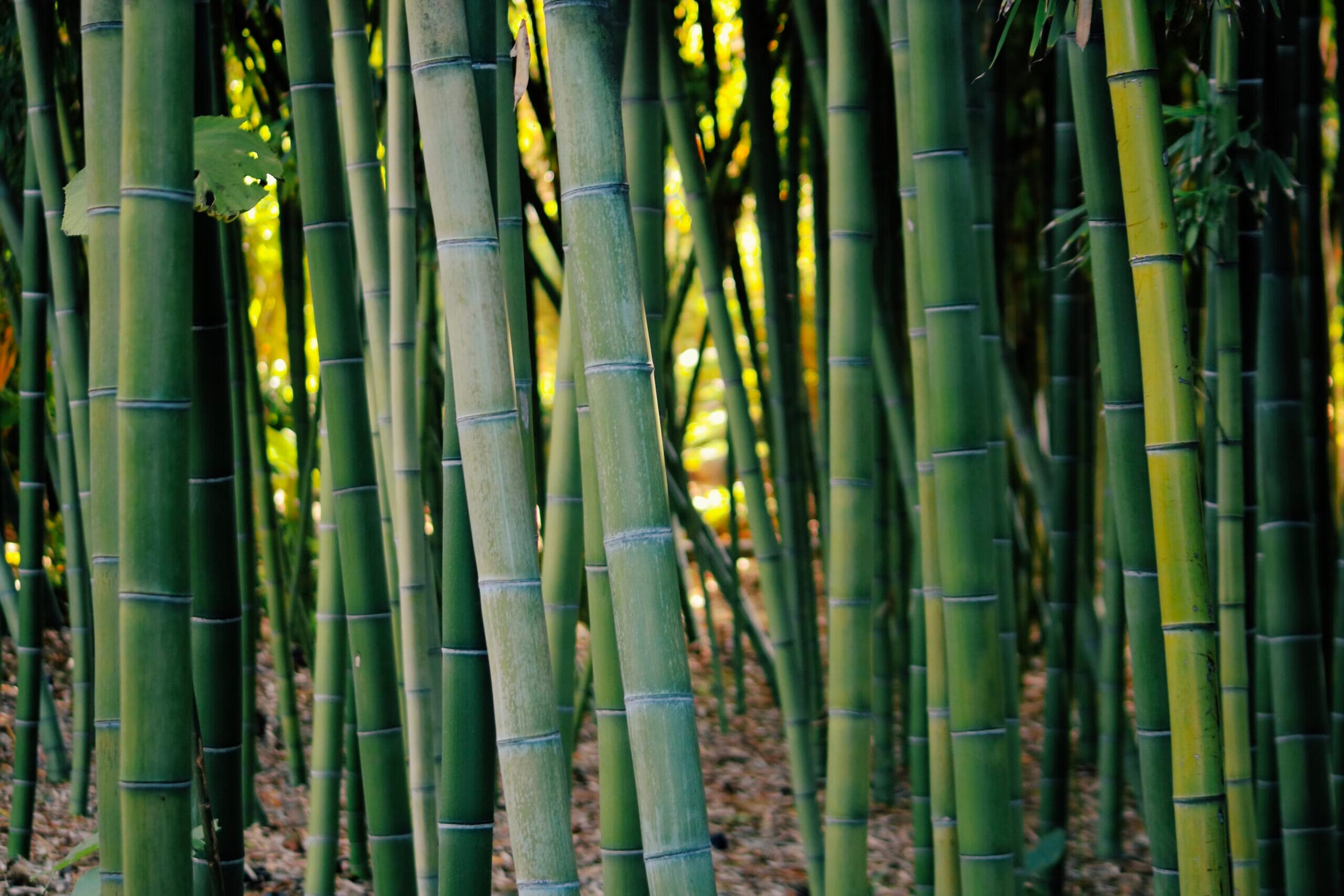
Not a tree, but grass is bamboo. Plush but firm, intricate natural form. Wood that takes centuries to mature matures in months in altitude when working with bamboo. Speed is the first of the indications to its permanence, but it is also tougher and softer because of cell structure.
Bamboo fibers under microscopic view are not pointed but round in shape. It is due to this that the bamboo fibers get soft on skin and silica present in the fiber gives it a hard natural nature. Bamboo fibers also have cellulose and lignin, two components which are necessary so that it can be pliable as well as elastic in nature.
Their combination has made bamboo a revolutionarily versatile commodity. Bamboo can be processed to produce everything from garments and tissues to paper and construction materials without compromising its natural nature.
It must. be remembered that their molecular structure in such a way that it makes us recall the Science Behind Bamboo Fibres. The chemical composition of every fibre consists mainly of cellulose, hemicellulose, and lignin.
All the three components together cumulatively make bamboo fibres so stiff and hard. In short, the process makes bamboo bend without being injured and bear pressure without being broken. Such hardness with softness never happens in natural fibres, and because of it, bamboo takes over the green manufacturing leadership.
Raw bamboo is subjected to natural as well as mechanical processes to yield soft and workable fibers. The bark of the culm of bamboo is stripped, and inner strands are burst. Next clean cellulose fibers are created by a chemical reagent which hydrolyzes hemicellulose and lignin in water and processes strands. Fibers are washed, combed, and spun into puffy yarns later.
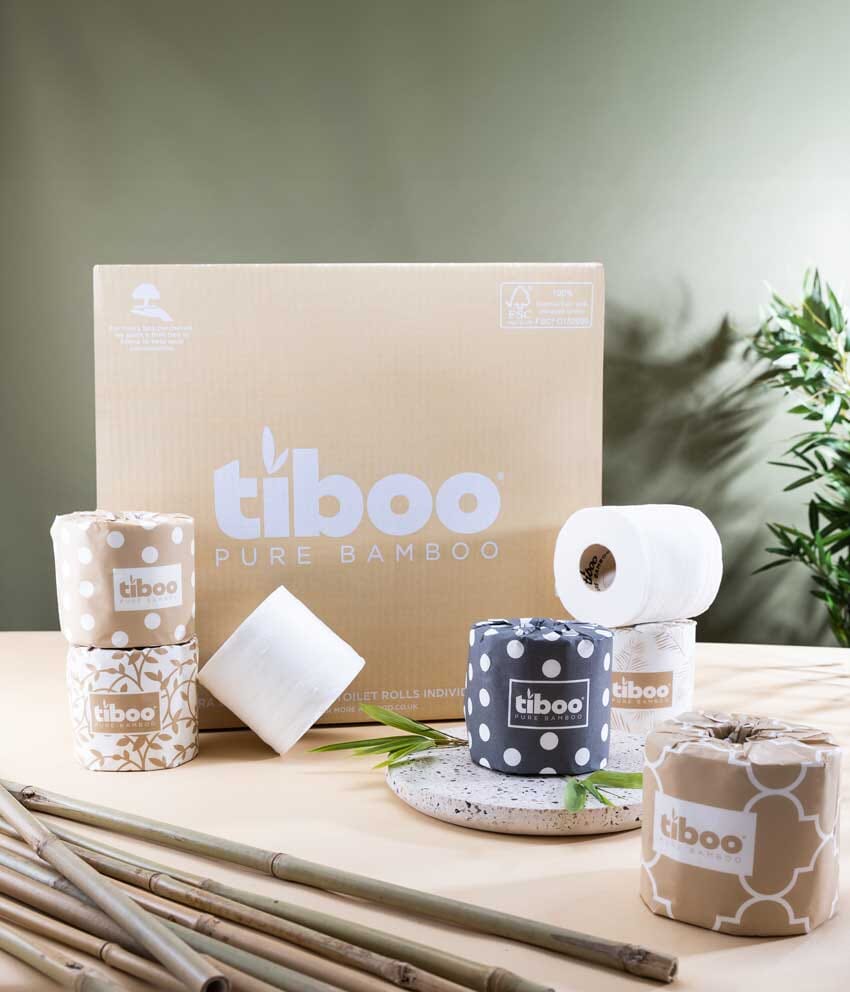
With bamboo toilet rolls, for example, the fibers are rolled up as sheets, dried, and pressed with no harsh chemicals used in bleaching or artificial softeners.
This is the soft treatment wherein the natural silky nature of the fibers is not ruined and a soft hand is imparted to the product but at the same time, it is very time-consuming. This is what has been achieved here by applying science in the form of not ruining the natural nature of the bamboo and molding it in the direction of useful employment.
One of the advantages of bamboo fibres is that they are extremely smooth in character. To contrast with the average tree-based paper fibres, which will be scratchy or crispy in texture, bamboo fibres are extremely smooth and rounded in character. There are no microscopic bristles to stimulate or cause friction.
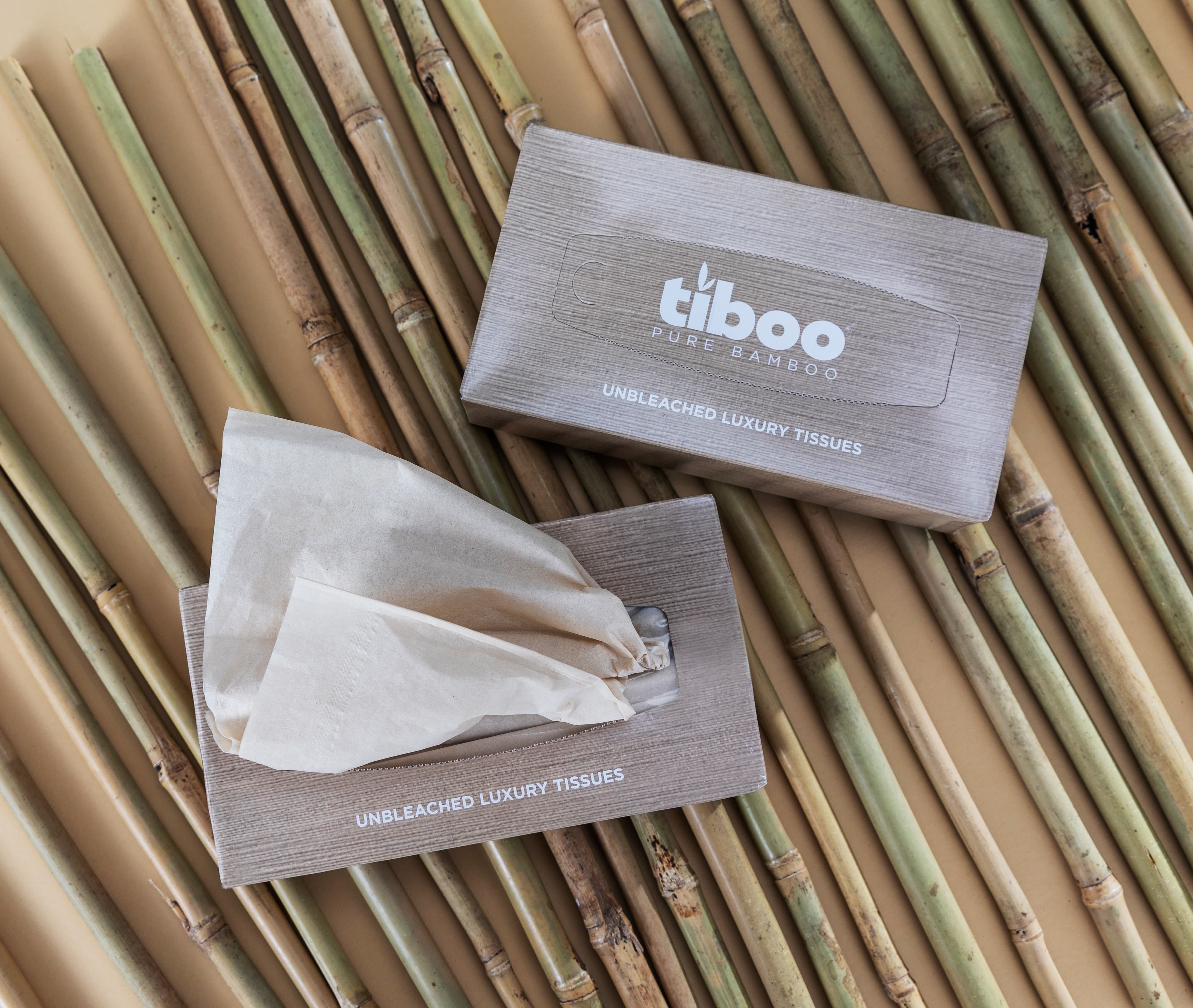
Used daily like in bamboo tissue, that so much softness does matter a great deal. Gentle on skin and hence ideal for allergy patients or sensitive skin. Other than that, bamboo natural fibers also possess micro-gaps to provide more absorbency. That is, the fiber is able to hold more water without being soggy or hard.
Scientists also suppose that antibacterial character of bamboo is the explanation for softness in bamboo. The antibacterial compound “bamboo kun” in bamboo prevents germs and fungi from developing in plants. Thus, the fiber softens, gets cleaner, and even healthier.
And then there is the issue of durability. Bamboo is more powerful than steel when it comes to tensile strength, and not by accident. It is filled with fibers very tightly packed in its structure, so it can take an awful lot of pressure before it breaks down into shreds.
Microscopically, bamboo cellulose consists of long uninterrupted chains formed by an entangled network. The molecule structure distributes the fibre’s tension evenly. The result is a material that will not deform, tear, or break easily.
This is due to the fact that bamboo products such as bamboo toilet rolls for use in the kitchen soak up major spills without bursting. Their dense web of fibre does not rot when submerged in water, unlike the common paper rolls that rot upon wetting.
Flexibility and rigidity balance is also used to allow for the recovery of the bamboo fibres to their original position following twisting or stretching. This enables the product to be used for longer periods with less wastage and higher value for money over time.
Besides the physical benefits, Science Behind Bamboo Fibres is also among the primary reasons for the sustainability of the environment. The bamboo would grow on its own naturally without applying any pesticides or fertilizers and reseeding. Land will not be destroyed when the roots are trimmed and diversity will not be eliminated.
The fibers themselves deteriorate over time naturally without releasing harmful chemicals. It is also less water and energy consumptive compared to producing paper conventionally.
Since bamboo is a highly growth crop that sequesters humongous levels of carbon dioxide, it is a carbon offset sink for greenhouse gas. Since it uses low resources, has high growth rate, and has little impact on the environment, bamboo is among the most sustainable products globally that are being overutilized by humans presently.
When people know that they reside in this world, they are searching for something practical and long-lasting. That is what bamboo items are. Characteristics like softness, high absorptivity, and hardness of bamboo fibers enable them to be maintained on a daily level.
They comprise bamboo tissues, bamboo toilet rolls, and bamboo kitchen rolls. They have been of very high demand not only because they are environmentally friendly but also due to their quality. Bamboo paper items are resilient yet silky, thereby luxurious and convenient as well.
Additionally, with the use of bamboo items, households are able to reduce deforestation greatly by merely using up paper continuously. It’s a step that does the world so much justice.
The Science Behind Bamboo Fibres just continues indefinitely, scientists discovering further and more varied applications for this incredible material. From green fashion and green packaging to cleaning and wiping, bamboo’s uses are still yet to be explored.
Technological processing is greenifying bamboo without enhancing its eco-print. Closed-loop processing is also being pioneered where the waste generated by bamboo is being remanufactured or recycled in an effort to green it.
Growing numbers of firms launching bamboo fibres, growing levels of careful and cautious modes of production, which provide optimal comfort, longitivity, and global health, are envisioned in the future.
Science Behind Bamboo Fibres is just one of the many reasons bamboo has been so sought after as an eco-friendly way of life. The smooth, rounded surface of the fibre donates to the softness, and the good cellulose content contributes to its strength. No sensation bamboo fits quite so neatly when you include its natural antibacterial property, moisture-wicking properties, and eco-friendly development pattern.
"*" indicates required fields