Paper production needs many natural resources such as water and energy. Without data, companies cannot track how much they use or where waste happens. Data helps measure every step of the process from raw material to finished roll.
With these numbers, brands can fix weak areas and reduce unnecessary use. Data also helps companies follow environmental rules and industry standards. This builds trust and shows responsibility instead of empty claims.
Choosing the right material is the first step toward sustainability. Data compares different plants based on growth speed, water needs and land use. Bamboo often proves to be the better option in these studies.
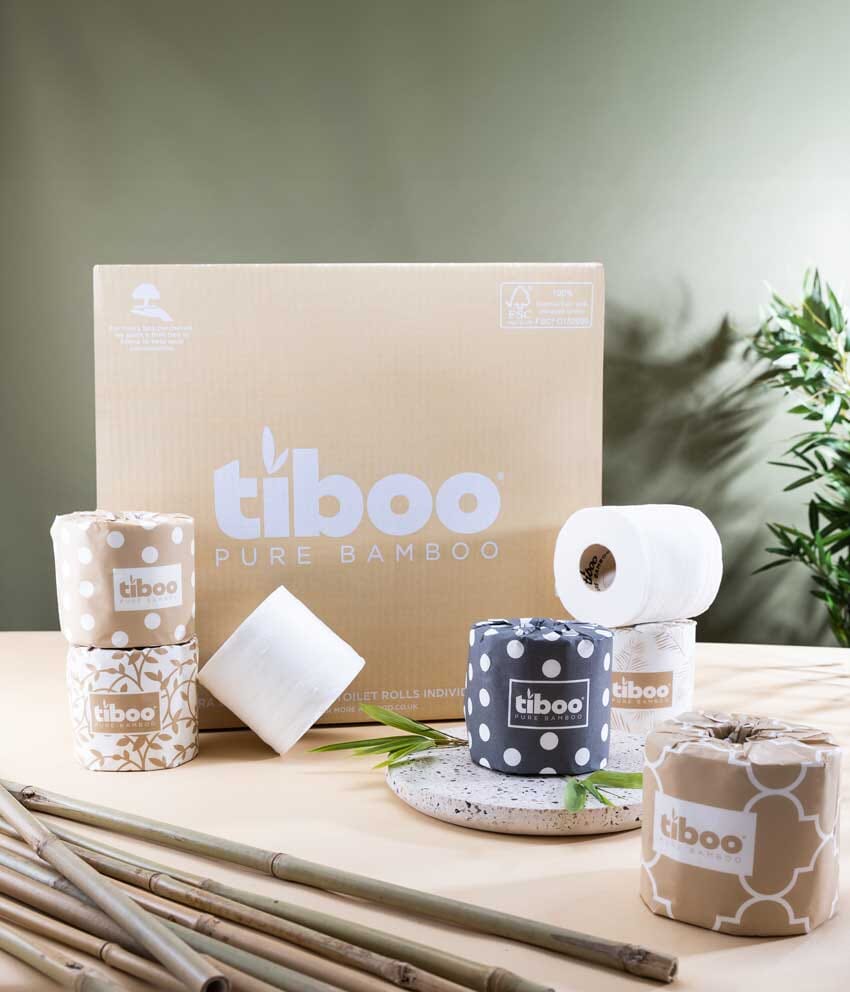
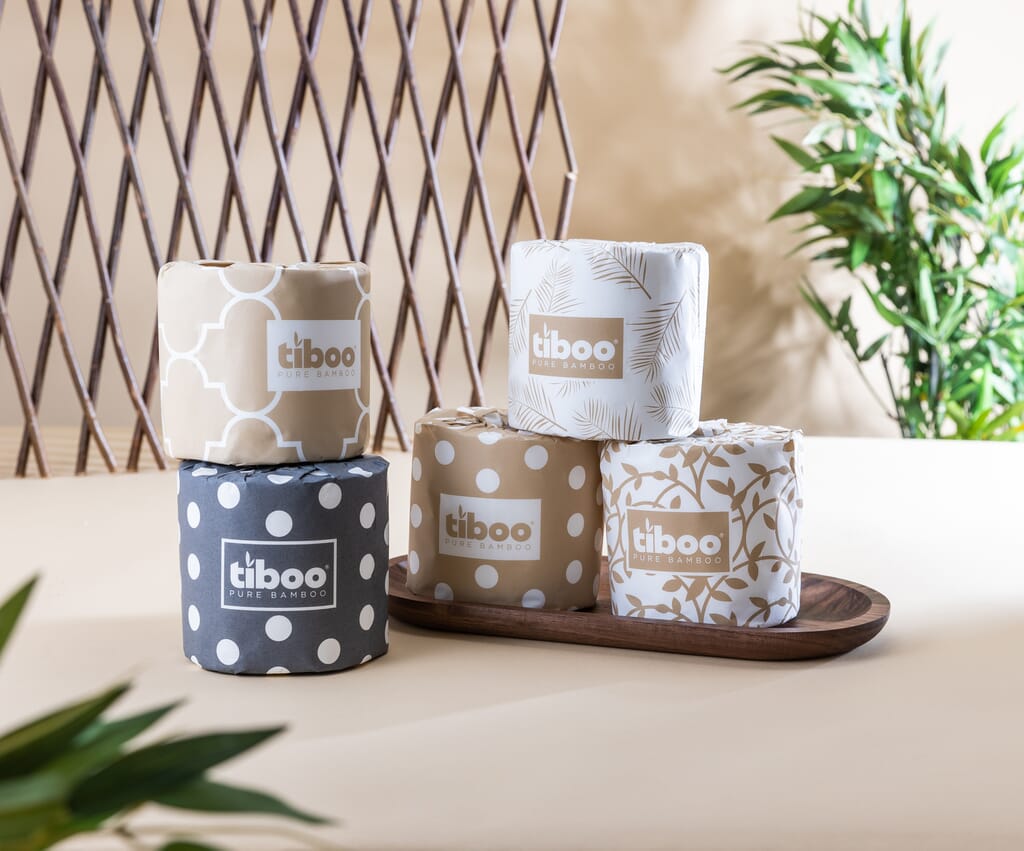
Bamboo grows quickly and regrows without replanting. It also needs less water and fewer chemicals than trees. Because data backs these facts, many brands now make bamboo toilet rolls that are both strong and eco-friendly.
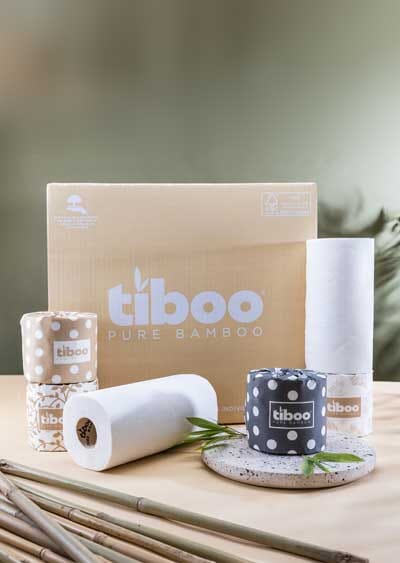
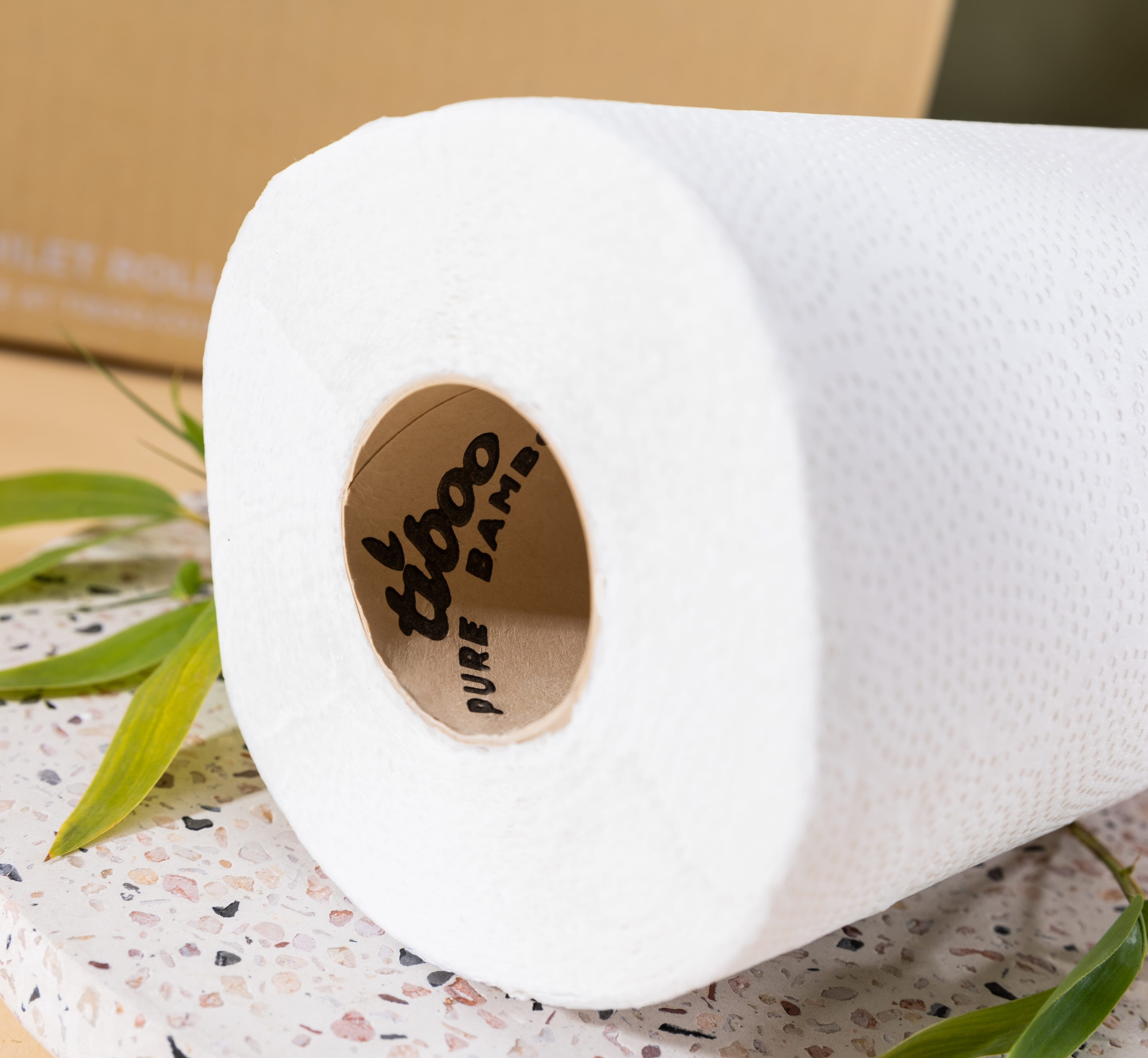
The same data support products like bamboo kitchen rolls and bamboo tissue, which offer the same benefits across everyday paper use.
Making toilet rolls uses a lot of water and power. Data helps factories track how much they use during production. It shows where machines waste resources and where changes can help.
Using this information, factories adjust systems and improve processes. Over time, this lowers water and energy use. These changes protect the environment and also reduce costs which supports long term growth.
The journey from raw material to store shelf affects the environment. Data helps track transport distance, fuel use and delivery time. This shows where emissions increase.
With this knowledge, brands choose nearby suppliers and better delivery routes. This reduces pollution and improves efficiency. Data also helps check that materials come from responsible sources which protects workers and land.
How people use toilet rolls at home matters. Data shows how many sheets people use and how long rolls last. Brands use this information to improve roll size and thickness.
Better design reduces waste without lowering comfort. Customer reviews also help guide changes. When brands listen to this feedback, products become more practical and useful.
Packaging creates waste if not planned carefully. Data helps brands test packaging options based on weight and recyclability. Many companies now use paper wraps or reduce packaging after seeing positive results.
Lighter packaging also helps during transport. It lowers fuel use and cuts emissions. Data ensures packaging choices support both protection and sustainability.
Buyers want honest information. Data allows brands to share clear facts about their impact. Reports and certifications show how much water is saved or how emissions are reduced.
When people see real numbers, they trust the brand more. Transparency also keeps companies responsible and focused on steady improvement.
Data also helps explain products in simple ways. Labels and websites now show where materials come from and how products are made.
This helps people make informed choices. When customers understand the impact of what they buy, they are more likely to choose better options again.
Collecting accurate data takes time and effort. Smaller brands may face limits in tools or skills. Wrong data can confuse buyers and harm trust.
To avoid this, many companies work with outside experts and follow clear reporting rules. Even with challenges, data remains the strongest tool for real progress.
Technology continues to improve how data is collected and used. In the future, brands will track products from start to disposal. This will help reduce waste and improve recycling.
Better data will lead to better products. Simple items like toilet rolls will continue to improve through clear facts and smart planning.
Data has changed how toilet rolls are made and improved. It guides material choice, production efficiency and supply chains. It also builds trust through honest communication.
The role of data in creating more sustainable toilet rolls is now essential. It helps brands act responsibly and enables people to make informed choices.
Products such as bamboo toilet paper, bamboo kitchen towels, and bamboo toilet tissue demonstrate how data and sustainability can work together. Every informed choice supported by data helps create a cleaner and more responsible future.
"*" indicates required fields