Regenerative materials are resources that actually support, rather than reduce, natural systems. They grow back fast, build soil quality, foster biodiversity, or engross more carbon dioxide during their progress than they emit, thus helping nature bounce back much faster than it would on its own, well beyond just a reduction of excess or minimisation of effluence. That signifies a turn from an older model of sustainability, which was basically about doing less harm.
Today, the new commanding is to do more good restore ecosystems, slash carbon footprints, make products circular rather than linear. In other words, what we mean when mentioning to The Rise of Regenerative Materials is a new mindset-a different way of creating and overwhelming for both people and the planet.
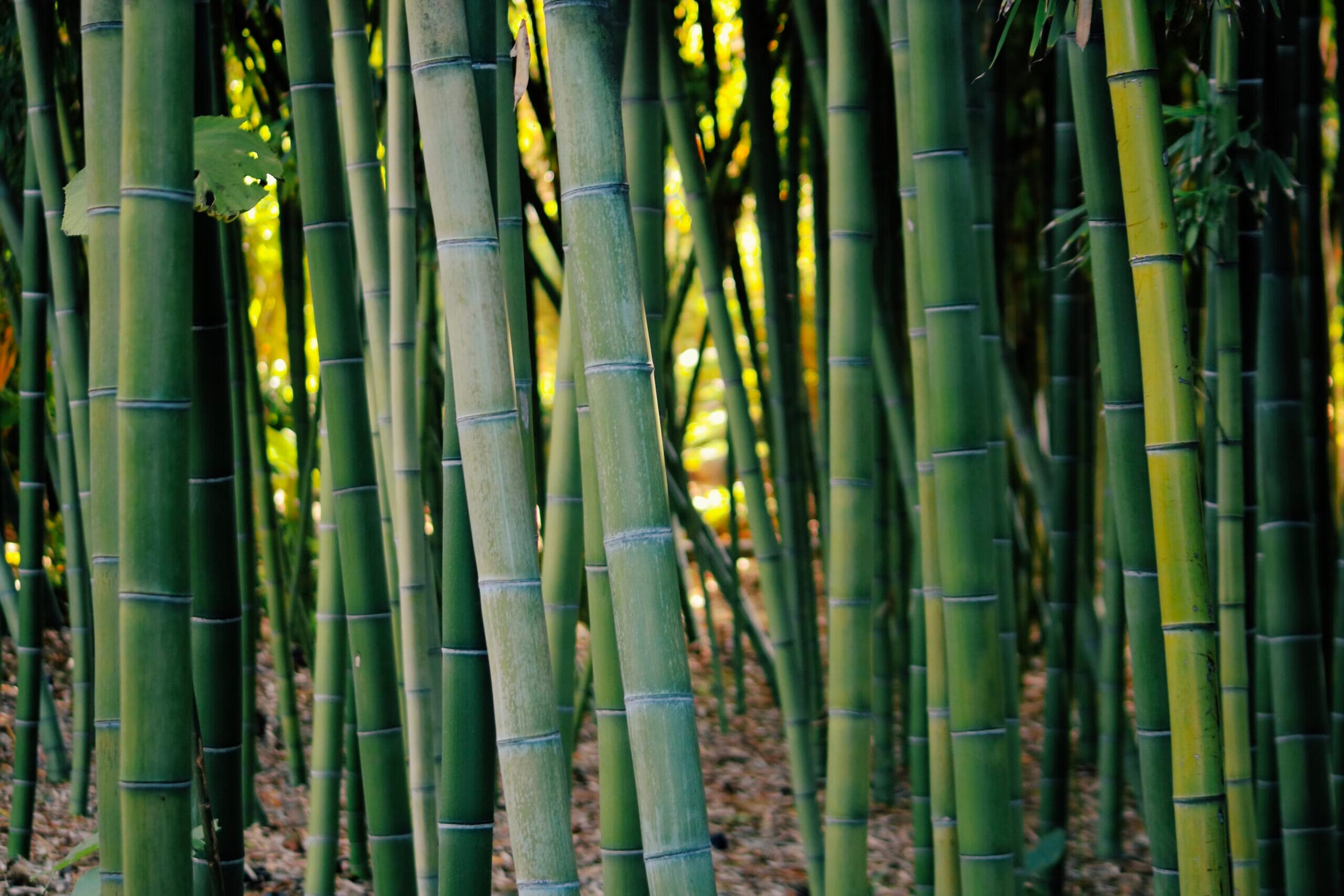
It is one of the fastest-growing plants on Earth and reaches maturity in record time three to five years. As it crops out of a root system that does not want to be replanted after a yield, bamboo is renewable by nature. When bamboo is harvested dependably, it just keeps rising it holds carbon and strengthens the surrounding soil.
Here are a few details why bamboo supports the regenerative model so well:
In some regions of the world, bamboo grows up to a meter every day and is regarded as one of the quickest renewable materials available, whereas most hardwood trees may take several decades to mature. Bamboo’s rapid regrowth is largely responsible for its alignment with The Rise of Regenerative Materials tenets.
It consumes much more carbon dioxide than any other plant, releasing excessive amounts of oxygen into the atmosphere. This is what makes bamboo rather strong and a very natural tool in contesting environment change. And with carbon-negative production now becoming part of the world’s conversation, the relevance of bamboo is only about to increase in the near future.
It regenerates itself from the root system after being harvested, hence giving minimal disturbance to the soil and erosion. Most of the large replanting works involving machinery and chemical inputs are also eliminated
Cleaner agriculture, much better than these resource-intensive crops that would have required heavy irrigation and the use of chemicals, therefore thrives in the absence of fertilisers, pesticides, and excess water.
Bamboo fibres are naturally strong, soft, and hygienic. Thus, bamboo can be applied to a great number of household items such as hygiene products, towels used in the kitchen area, and cleaning utensils used for surfaces. Generally speaking, most of the products traditionally made from paper or plastic could be replaced with bamboo products.
All of the above attributes point to why bamboo best fits in with modern notions of sustainability, serving as an excellent example of The Rise of Regenerative Materials in action.
Indeed, many households today in Britain would prefer the products made from bamboo because such products offer performance with environmental benefits. As a matter of fact, those items do feel quite familiar while having a considerably lower impact on the planet.
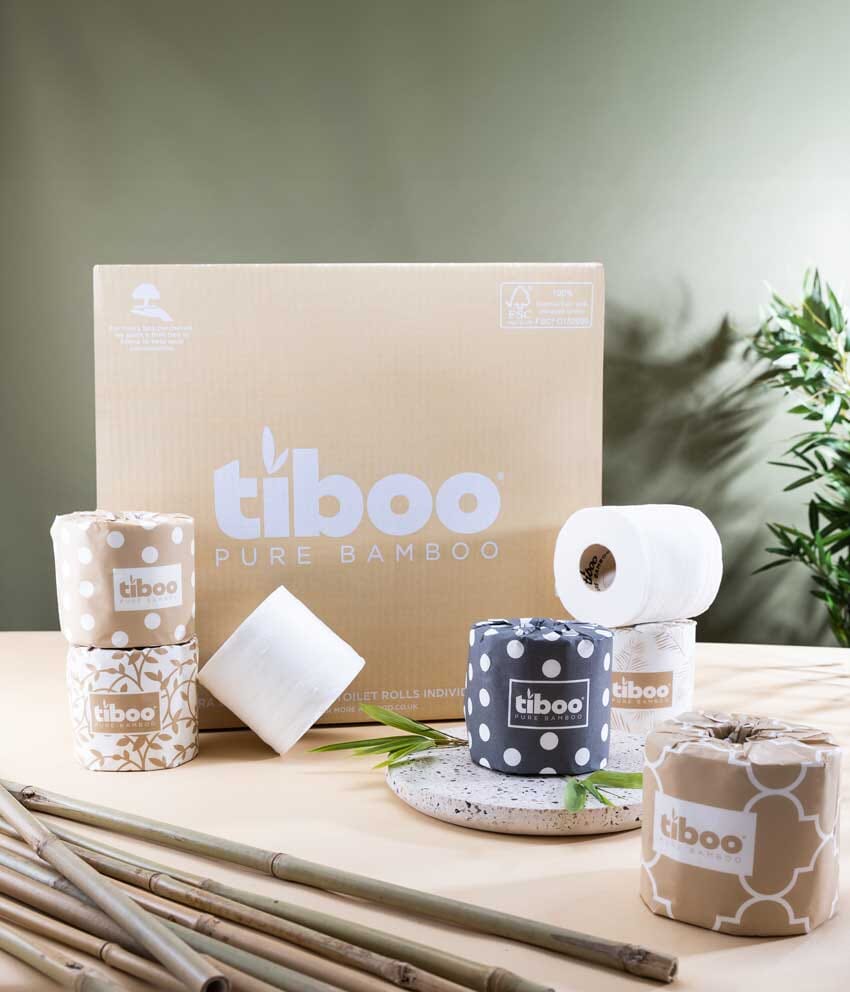
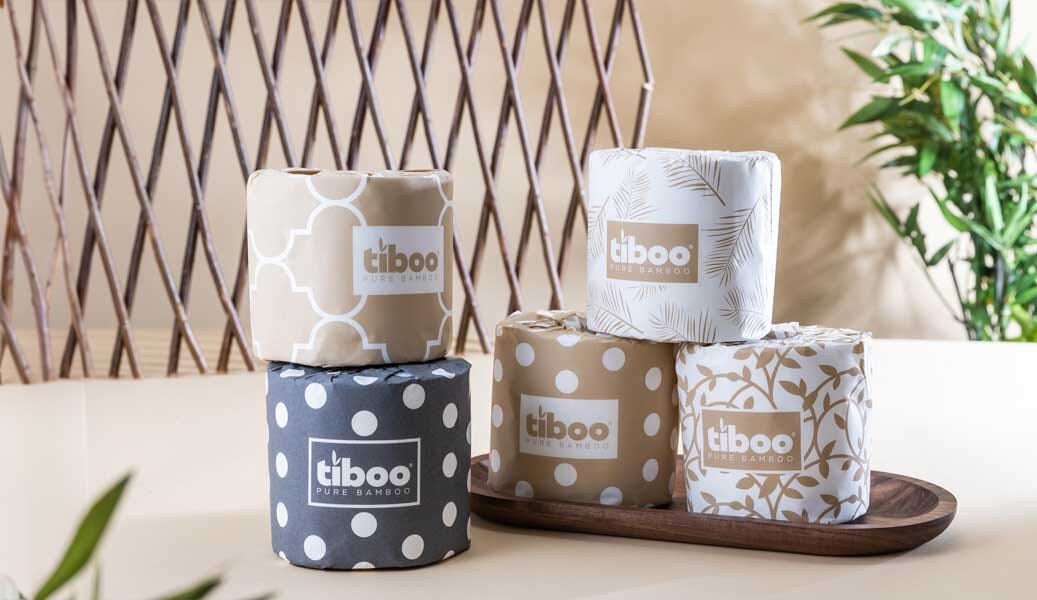
Bamboo is finding very wide application in hygiene and bathroom needs. With the understanding that bamboo-based tissues are softer and stronger, they will be very much applicable for everyday use. Already, many eco-conscious consumers have experienced the ease and reliability of bamboo toilet rolls. Bamboo tissue products are gorgeous to families who are interested in discovering greener options that will in no way concession on quality.
Kitchen and Cleaning Equally impressive is how things are changing in the kitchen, for example, with bamboo kitchen rolls that reduce waste from their traditional paper alternatives. Strong and absorbent, they can be reused to boot-thus supportive of a more sustainable lifestyle.
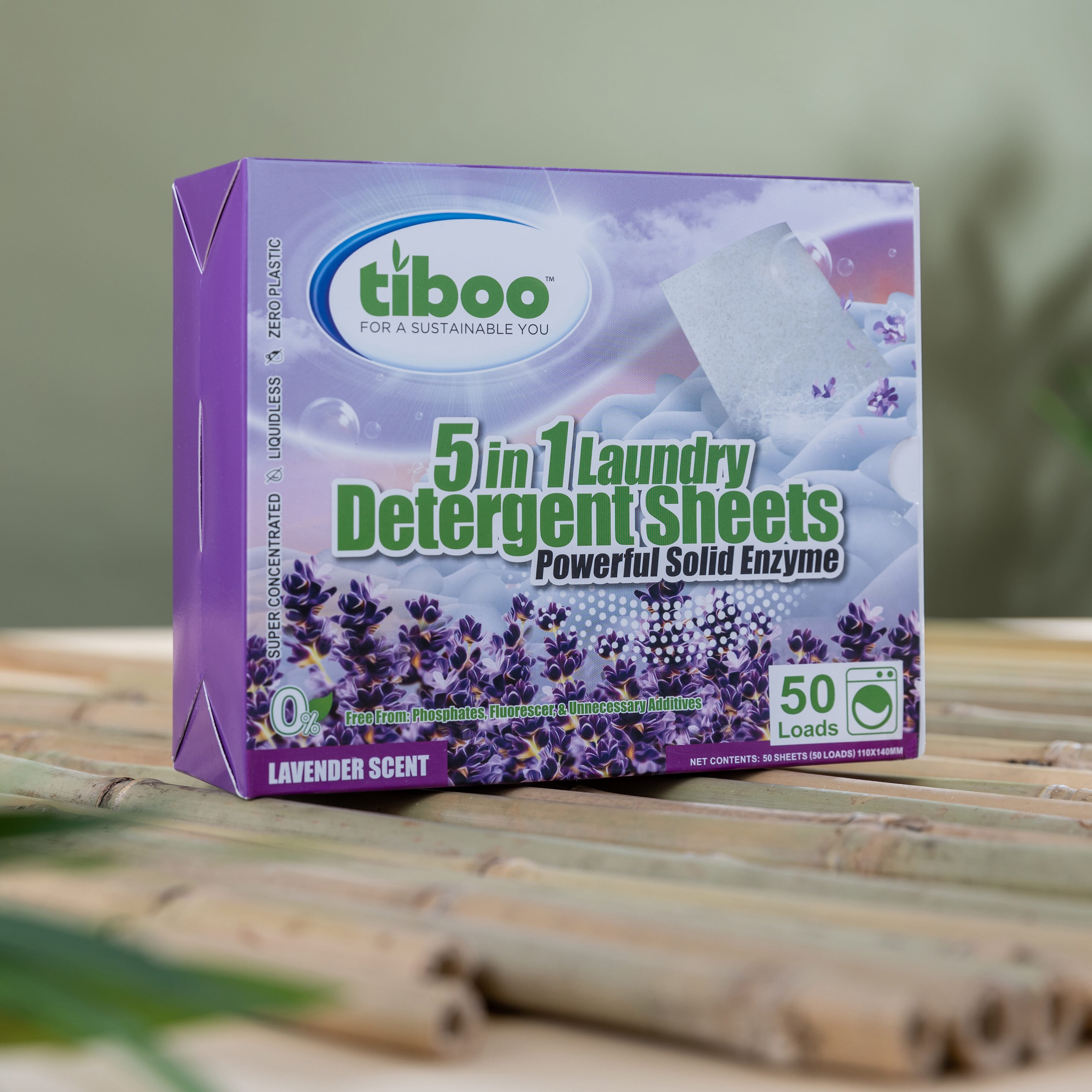
Bamboo cleaning tools are finding their place within the world of eco friendly cleaning products, a practical, ecologically safer swap for a population becoming increasingly conscientious about plastic waste generated and interested in natural materials.
These include hemp, cork, algae-based alternatives, and many other materials now considered regenerative. While all these new materials hold promise in their own way, few match bamboo on a number of counts.
Other attributes are that bamboo grows around the world, does not degrade the ecosystems, and can be harvested at scale. The volumes of production could be high in the case of bamboo due to its fast growth-something not seen in many regenerative materials yet.
Few natural materials show such versatility as bamboo does, since it has served in so many ways: making paper, fabrics, construction materials, cleaning items, and even packaging. This hence makes bamboo suitable for immediate use in the replacement of resource-heavy traditional products.
They feel premium, and that is why bamboo products have been so popular. The softness, the smooth feel, the strength, the comfort of use-that makes them far easier to introduce into homes than those eco-alternatives that do require changes in lifestyle.
Bamboo is a substantial that has been used in building, cooking, craftsmanship, and everyday living by so many values in a very sustainable way for a very long time. It has also established ecological benefits in support of its role in the wider adoption of regenerative materials.
As more UK consumers make environmentally responsible choices, demand for regenerative materials will continue unabated. The realisation is dawning among governments, brands, and households that even reducing harm is inadequate; regenerative solutions create healthier ecosystems, reduce emissions, and support the long-term well-being of the planet.
With such significant advantages assured, bamboo can be expected to remain at the forefront of this movement for the foreseeable future. It just has that perfect mix of speed, strength, renewability, and practicality.
This is a world moving toward greener choices and more sustainable means of production, and there it is, leading the pace. It is not about replacement products; it is all about how one thinks of resources, waste, and the environment. That is why the conversation about The Rise of Regenerative Materials is important today and why bamboo remains central to that story.
"*" indicates required fields