Recyclable materials are items that can be collected and processed after use. They are turned into new products instead of being thrown away. Common examples include paper, glass, metal and certain plastics.
When a product is recycled, it goes through a system. It is collected, sorted, cleaned and then reused in manufacturing. This reduces waste and limits the need for new raw materials. However, recycling still requires energy and proper systems to work effectively.
Not all recyclable products are actually recycled. Some end up in landfills due to poor sorting or a lack of facilities. So while recycling helps, it depends on proper handling and infrastructure.
Renewable materials come from natural sources that can grow back quickly. These resources can be used again and again without running out if managed properly. Plants like bamboo and cotton are common examples.
Unlike recycling renewable materials, focus on the source rather than the after-use stage. They reduce the need for limited resources because they regrow naturally. This makes them a strong choice for long-term sustainability.
Understanding the Difference Between Recyclable and Renewable Materials starts with this idea. One focuses on reuse while the other focuses on regrowth.
Recyclable materials can come from both natural and man-made sources. Renewable materials always come from nature and grow back over time.
Recycling focuses on what happens after use. Renewable materials focus on how the product begins.
Recycling reduces waste but still needs energy and processing. Renewable materials often require fewer resources during production and can break down naturally.
Recyclable products depend on proper waste systems. Renewable materials depend on responsible farming and sourcing.
These differences explain why both play a role but serve different purposes in sustainability.
Many brands use green labels without a clear explanation. Words like eco-friendly or sustainable are used for both types of materials. This creates confusion for buyers.
Sometimes a product is recyclable but not renewable. In other cases, it is renewable but not easily recyclable. Without clear information, it becomes hard to compare options.
Learning the Difference Between Recyclable and Renewable Materials helps you avoid this confusion. It allows you to look beyond labels and understand real impact.
Paper products are a good example of this difference. Traditional paper is often recyclable. It can be reused several times before the fibres weaken. However, it usually comes from trees which take many years to grow.
On the other hand, bamboo paper comes from a fast-growing plant. Bamboo grows quickly and regenerates without replanting. This makes it a renewable resource.
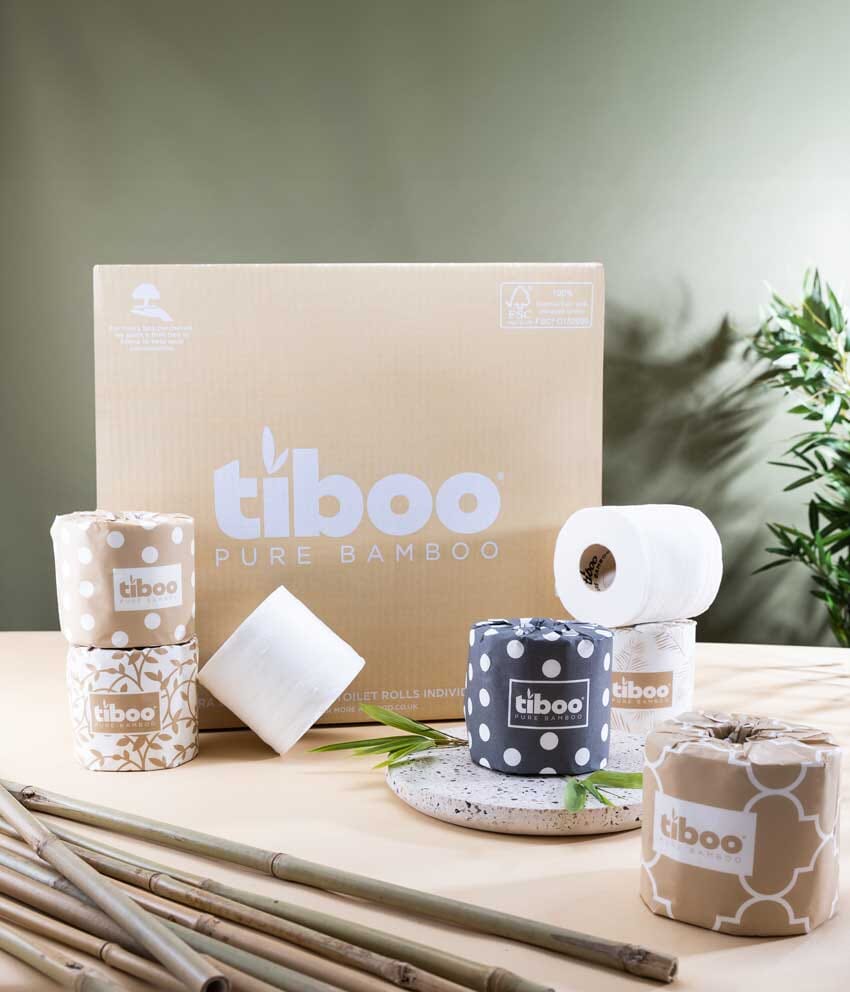
Products such as bamboo toilet rolls offer a practical example of this shift. They reduce dependence on slow-growing trees while still performing well for daily use. The same applies to bamboo kitchen rolls and bamboo tissue, which combine strength with sustainable sourcing.
Data helps measure how materials affect the environment. It tracks energy use, water consumption and waste levels. This information allows for better comparison between recyclable and renewable options.
For example, data often shows that renewable materials like bamboo require fewer resources during growth. At the same time, recycling data highlights how much waste can be reduced through proper systems.
Using both types of data gives a clearer picture. It helps individuals and companies make smarter decisions that balance reuse and resource renewal.
There is no single answer because both options have benefits. Recyclable materials help reduce waste and extend the life of resources. Renewable materials reduce pressure on limited resources and support natural cycles.
In many cases, the best choice is a mix of both. A product that comes from a renewable source and can also be recycled offers the most value.
Understanding the Difference Between Recyclable and Renewable Materials allows you to find this balance. It helps you choose products that support both waste reduction and resource renewal.
Many people assume that recyclable means environmentally friendly in every case. This is not always true if the product is not actually recycled.
Others believe renewable materials always have zero impact. This is also not correct because farming and processing still require resources.
Avoid focusing on one label only. Instead look at the full lifecycle of the product. This approach leads to better choices and more realistic expectations.
Start by checking where the material comes from. Ask if it grows back quickly or if it depends on limited resources.
Then consider what happens after use. Can the product be recycled or composted easily?
Choose products that combine both benefits when possible. Everyday items like eco friendly toilet tissue are simple examples of this approach. They support renewable sourcing while still offering practical use.
Small changes in buying habits can lead to meaningful results over time.
Industries are now working to combine recycling and renewable sourcing. New technologies aim to create products that use fewer resources and produce less waste.
As awareness grows, consumers are asking better questions. This pushes brands to improve transparency and offer real solutions instead of marketing claims.
The future will likely focus on materials that fit into a full cycle. They will come from renewable sources and return safely to the environment after use.
The Difference Between Recyclable and Renewable Materials is simple but important. Recyclable materials focus on reuse, while renewable materials focus on regrowth. Both support sustainability but in different ways.
Understanding this difference helps you make informed choices in daily life. It also allows you to support products that truly reduce environmental impact.
When you choose wisely, you contribute to a system that values both resources and responsibility. This is how small decisions create long-term change.
"*" indicates required fields