One of the biggest mistakes is believing that buying a single eco-friendly product makes an entire lifestyle sustainable. A reusable bottle or cloth shopping bag is useful but it does not automatically reduce your overall environmental impact.
Real progress comes from looking at daily habits as a whole. Energy use, food waste, transport and household choices all work together. Focusing on one product while ignoring everything else limits the positive difference you can make.
Instead of searching for one perfect solution, look at the small decisions you make every day. Those choices add up over time.
Many people replace perfectly usable items simply because a greener version becomes available. While the new product may be made from better materials, throwing away something that still works creates unnecessary waste.
A more balanced approach is to use what you already own until it reaches the end of its life. After that, you can replace it with a better alternative.
Living sustainably is not about buying more. It is often about buying less and making smarter decisions when replacement is necessary.
Another common mistake is choosing products only because they are cheap. Low-cost items often wear out quickly and need replacing more often.
Buying something that lasts longer usually reduces waste over time. Strong and reliable products save money as well because they do not need frequent replacement. Quality should always be considered alongside price when making everyday purchases.
Words such as natural, eco-friendly and sustainable appear on thousands of products. Unfortunately, these labels do not always tell the complete story.
Some companies highlight one positive feature while leaving out important information about manufacturing or packaging. Reading product descriptions carefully helps you understand what you are really buying.
Learning a little more before making a purchase often leads to better decisions than relying on attractive marketing alone.
People often think about cars or electricity when discussing sustainability. However, many household products deserve attention too.
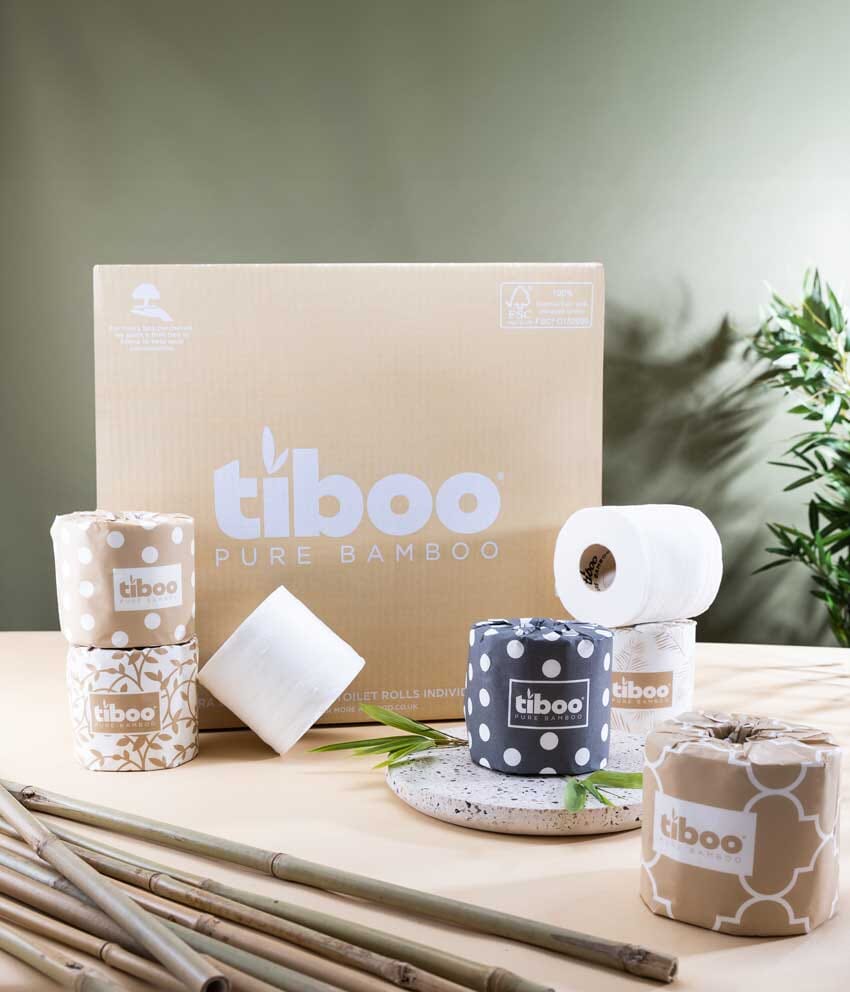
Simple changes inside the home can become part of a more responsible lifestyle. For example, many families now choose bamboo toilet rolls because they are made from fast-growing plant fibres rather than traditional wood pulp.
These everyday decisions may appear small, but they become meaningful when repeated over months and years.
Recycling is important but it is not the complete answer. Many materials lose quality during recycling, while others cannot be recycled repeatedly.
Reducing waste before it is created is usually the better option. Reusing products and choosing durable materials often has a greater long-term benefit than relying on recycling alone. Looking beyond the recycling bin helps create a more thoughtful approach to sustainable living.
Many renewable materials are now available in products people use every day. Fast-growing plants provide alternatives that reduce dependence on traditional timber sources.
This is one reason why Tree Free Paper Products continue to gain attention. They offer practical paper items made from renewable fibres while giving consumers another option for everyday use.
Choosing renewable materials does not require major lifestyle changes. It simply means paying attention to what products are made from before buying them.
Some people become discouraged because they cannot live a completely waste-free lifestyle. They feel every decision must be perfect or there is no point in trying.
Sustainability is not about perfection. It is about making better choices whenever possible and improving gradually over time. Every positive habit contributes to a larger change when enough people continue practising it.
A product that lasts several years often creates less waste than one that needs replacing every few months.
This idea applies to many household goods, including paper products. Choosing reliable materials and responsible manufacturers helps reduce unnecessary consumption.
For facial care, many people now prefer bamboo toilet tissue because it combines softness with practical everyday performance.
Some people try to change every habit at once. They completely redesign their lifestyle within a few days. Unfortunately, these changes often become difficult to maintain.
A better approach is to introduce one improvement at a time. Once that habit becomes normal, you can build another on top of it. Steady progress usually lasts much longer than dramatic lifestyle changes.
Creating better habits starts with paying attention to everyday decisions. Turn off lights when they are not needed. Reduce food waste. Repair items instead of replacing them immediately, and choose renewable materials whenever possible.
Many households also include bamboo kitchen rolls among these practical choices because they fit naturally into everyday routines while supporting the use of fast-growing fibres. These actions may seem ordinary on their own. Together, they help create a more balanced way of living.
Sustainable living is not about following every trend or buying every product with a green label. It is about understanding how everyday choices affect the world around us and making practical improvements that fit your lifestyle.
Exploring tree-free paper products is one example of how small household decisions can support a broader move towards renewable materials. They are not the only answer, but they represent one practical step among many.
"*" indicates required fields