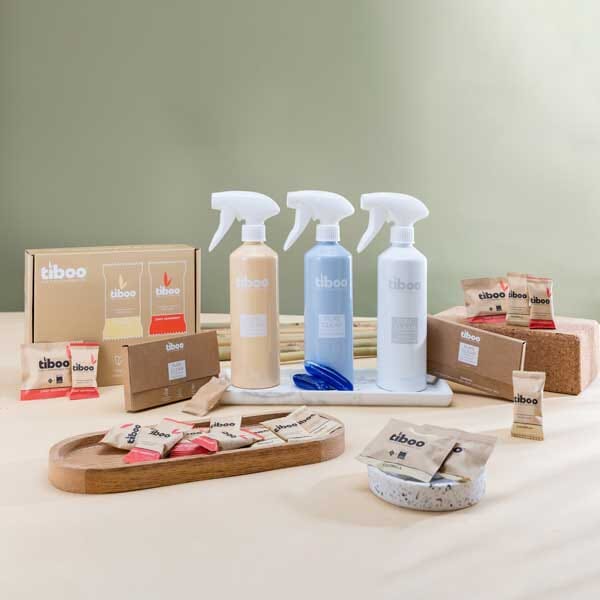
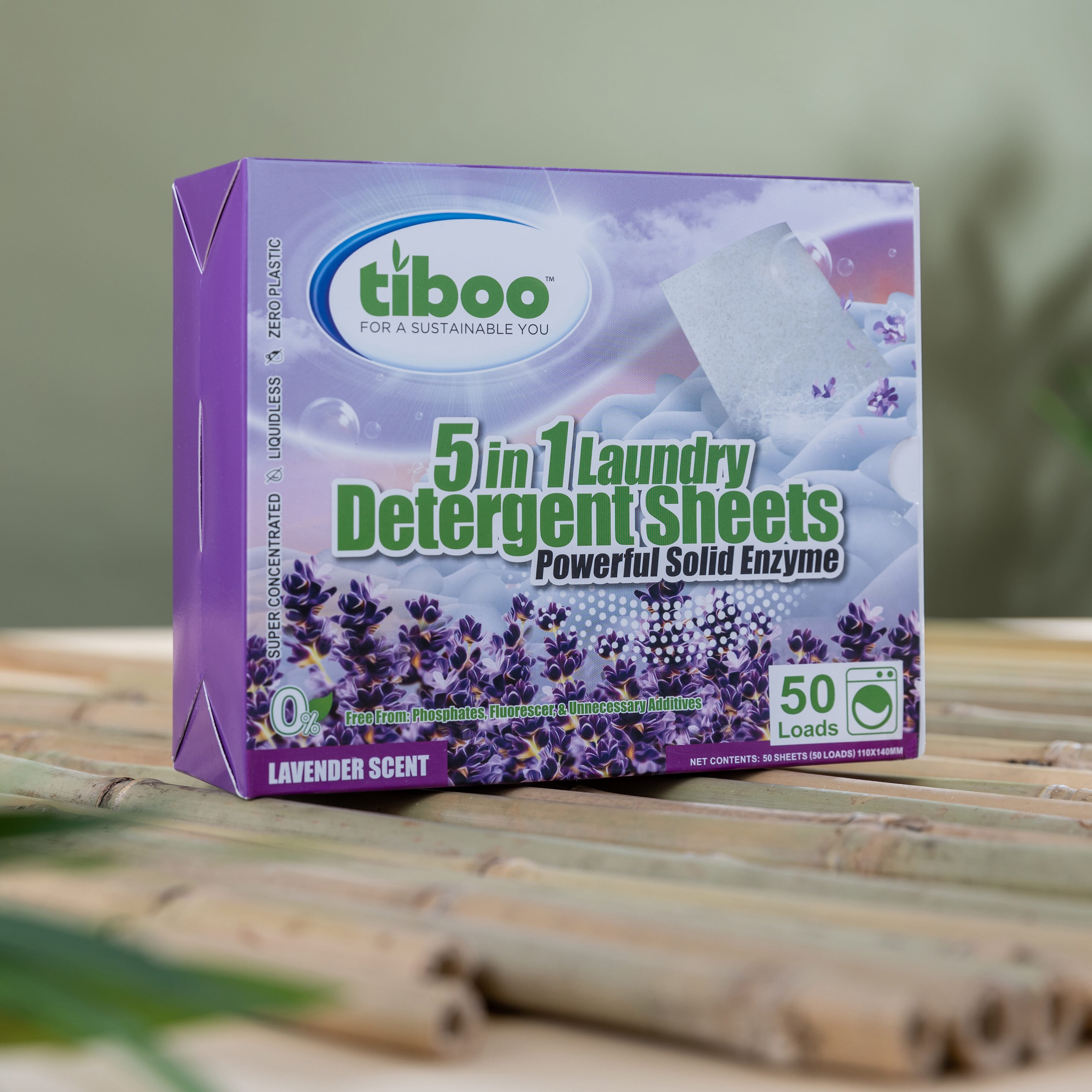
Natural cleaning products are made with ingredients that come from natural sources. They often include plant-based oils, vinegar, baking soda, citric acid or other naturally derived ingredients that help remove dirt and freshen surfaces.
Many of these products are designed for everyday cleaning around the home. They can be used on kitchen worktops, bathroom sinks, glass and other household surfaces depending on the manufacturer’s instructions.
Natural does not always mean weak. Many modern products clean effectively because they combine carefully selected ingredients that work well together.
Chemical cleaners are products made with manufactured ingredients that are designed to remove grease, stains, bacteria and other forms of dirt quickly. They are commonly used in homes, workplaces and public buildings because they often provide fast results.
Some products are made for general household cleaning while others are created for specific tasks such as removing mould, disinfecting surfaces or clearing heavy grease.
Although these cleaners are effective, they should always be used according to the instructions on the label to ensure safe handling.
Many households now prefer simpler cleaning routines. They want products that are easy to use and suitable for regular cleaning without relying on strong artificial fragrances.
Some people also appreciate products that contain fewer harsh ingredients because they spend a great deal of time cleaning kitchens, bathrooms and living spaces.
This growing interest explains why the discussion around Natural Cleaning Products vs Chemical Cleaners has become more relevant than ever. Consumers are looking for products that balance cleaning performance with everyday practicality.
There is no single answer because different cleaning jobs require different solutions.
Natural cleaning products work very well for everyday dust, light grease, fingerprints and routine household maintenance. They help keep regularly cleaned areas fresh without needing extremely strong ingredients.
Chemical cleaners usually perform better when dealing with stubborn stains, heavy grease or situations where powerful disinfecting is required. They are often chosen for deep cleaning or areas that need extra attention.
Instead of asking which type is always better, it is more useful to ask which product suits the specific task.
Families with young children or pets often pay closer attention to the cleaning products they bring into the house.
Regardless of whether a product is natural or chemical-based, every cleaner should be stored safely and used exactly as instructed. Mixing different cleaning products should also be avoided because unexpected reactions can occur.
Reading labels carefully remains one of the simplest ways to clean safely and effectively.
Many people believe buying the most expensive cleaner automatically produces the best results. In reality regular cleaning habits usually make the biggest difference.
Wiping surfaces frequently, dealing with spills immediately and keeping kitchens dry often prevents dirt from building up in the first place. Good cleaning routines reduce the need for stronger products later.
Simple habits often have a greater impact than constantly changing from one cleaner to another.
Cleaning products are only one part of a household routine. The paper products people choose also play an important role.
For example, many families now use bamboo kitchen rolls because they provide reliable absorbency while helping with everyday cleaning tasks around the home. Choosing quality materials often makes cleaning easier regardless of the type of cleaner being used.
Many people assume that every natural cleaner is automatically better for the environment. That is not always true. The way a product is made, packaged and transported also affects its overall impact.
The same applies to chemical cleaners. Some manufacturers continue improving their formulas and reducing unnecessary packaging to lower waste. Looking at the complete picture gives a better understanding than judging a product by its name alone.
This balanced approach helps consumers make informed decisions instead of following popular opinions.
Price often influences what people buy, yet it should not be the only factor.
A cheaper cleaner that needs to be used in large amounts may not offer good value in the long run. Likewise a slightly more expensive product that lasts longer can sometimes become the more economical choice.
Comparing performance instead of focusing only on the price tag usually leads to better purchasing decisions.
Several misunderstandings continue to confuse buyers.
One common myth is that natural cleaners cannot remove grease. Many plant-based products clean everyday grease very effectively when used correctly.
Another myth is that stronger smells always mean stronger cleaning. In reality, fragrance and cleaning performance are two different things. A powerful scent does not automatically mean a surface has been cleaned more thoroughly.
Some people also believe chemical cleaners should be used for every task around the home. In many situations, ordinary household cleaning only requires products designed for routine maintenance.
Understanding these facts makes it easier to choose the right cleaner without relying on assumptions.
Every home has different cleaning needs. Kitchen worktops, bathrooms, windows and floors all require different levels of cleaning power.
Natural products are often suitable for regular daily cleaning because they help remove light dirt before it builds up. Chemical cleaners may be more appropriate for deep cleaning tasks or areas where stubborn stains need extra attention. Using the right cleaner for the right purpose is usually more effective than depending on one product for every job.
A cleaner home is not only about sprays and liquids. Everyday paper products also contribute to a practical cleaning routine.
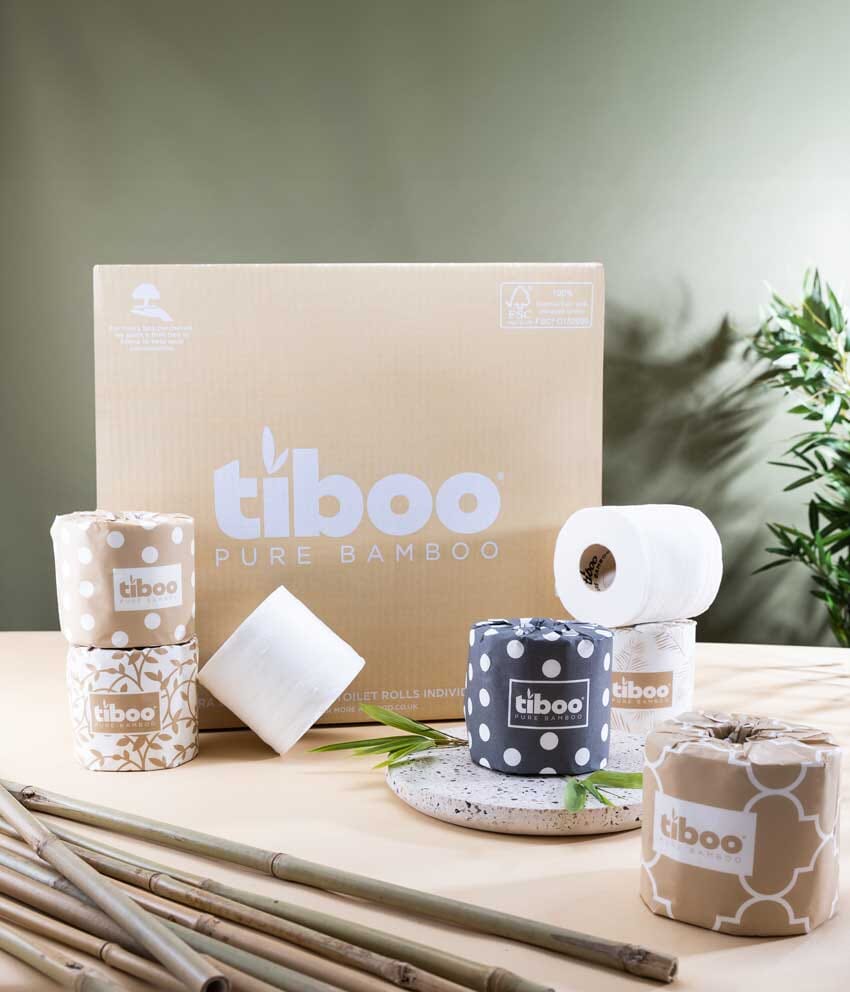
Many households now choose bamboo toilet rolls because they appreciate products made from rapidly renewable plant fibres for everyday use. While these products serve a different purpose from kitchen cleaners, they reflect the growing interest in thoughtful household choices.
Similarly, bamboo toilet tissue has become a popular option for daily personal care because it combines softness with dependable strength.
These choices alone will not create a sustainable lifestyle, yet they show how small purchasing decisions can gradually become part of a wider routine.
The discussion around Natural Cleaning Products vs Chemical Cleaners should not be treated as a competition with only one winner.
Some households rely mainly on natural products for everyday cleaning and keep stronger chemical cleaners for occasional deep cleaning. Others prefer a different balance depending on their lifestyle and cleaning requirements.
The best approach is choosing products based on performance, safety and suitability rather than following trends or marketing claims.
The debate around Natural Cleaning Products vs Chemical Cleaners continues because every home has different needs. Natural cleaners offer an excellent solution for many everyday tasks, while chemical cleaners remain useful for heavier cleaning jobs that require extra strength.
Instead of believing one type is always better, it is more helpful to understand what each product is designed to do. Reading labels, following instructions and choosing quality products allows you to clean more effectively while avoiding unnecessary waste.
When people understand the real differences between Natural Cleaning Products vs Chemical Cleaners, they can build cleaning routines that are practical, efficient and suited to their own homes. Small informed choices often make the biggest difference over time, and they help create a cleaner living space without adding unnecessary complexity to everyday life.
"*" indicates required fields