Consumers are becoming increasingly aware of the environmental impact of everyday products, including those used in the bathroom.
Traditional toilet paper is often manufactured using virgin wood pulp sourced from slow-growing trees. While responsible forestry practices have improved over the years, demand for paper products continues to place pressure on natural resources.
Eco friendly toilet paper aims to reduce that impact through:
For many households, switching to sustainable toilet paper is one of the easiest changes they can make without altering their daily routine.
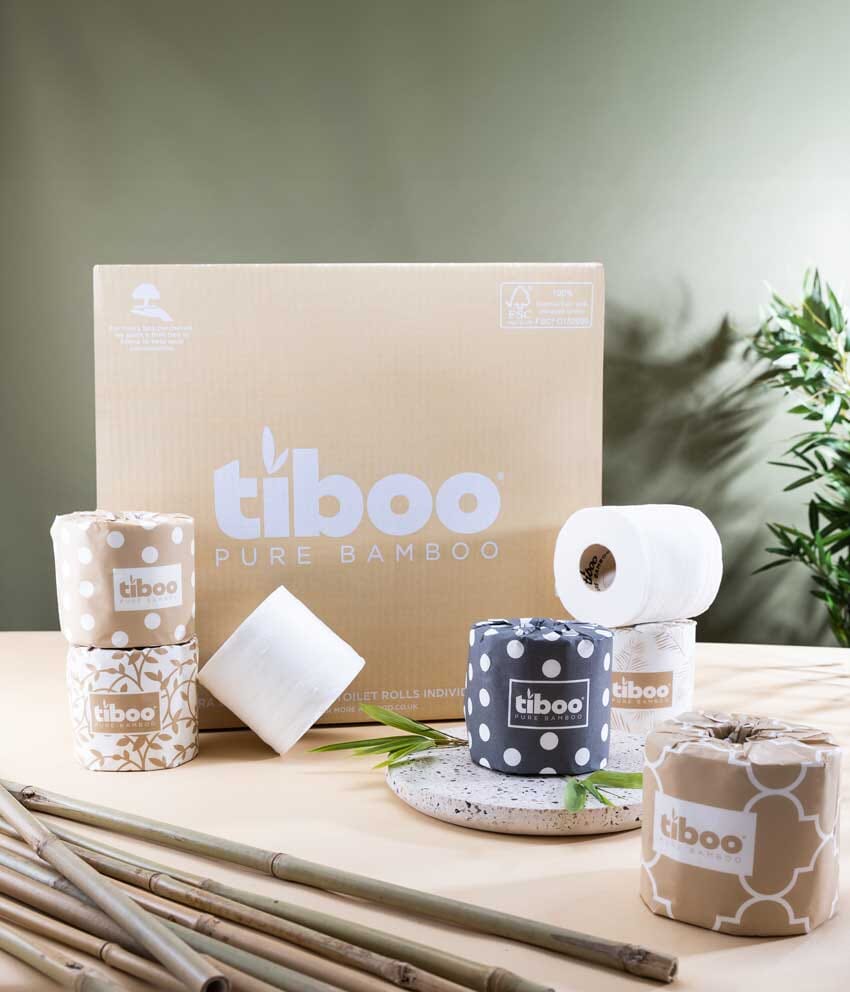
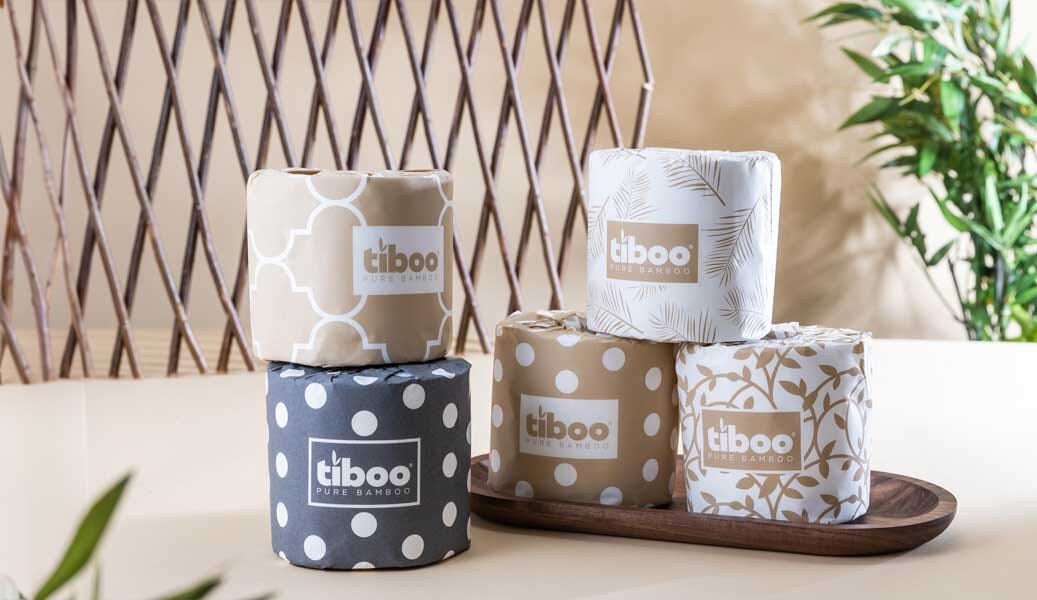
One of the biggest developments in the eco-friendly bathroom sector has been the rise of bamboo toilet paper.
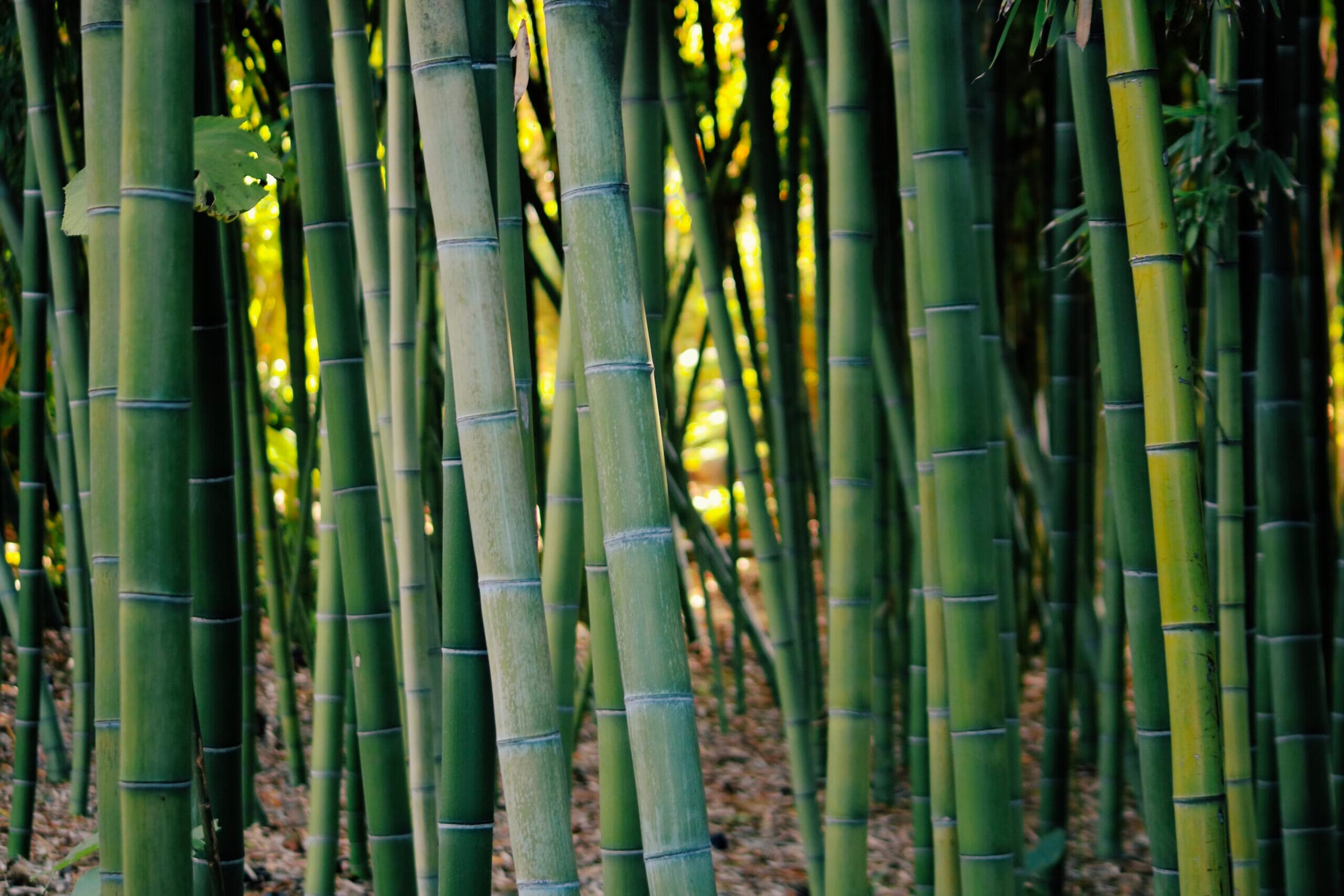
Unlike traditional hardwood trees, bamboo is a rapidly renewable resource. Certain bamboo species can grow remarkably quickly and regenerate after harvesting without requiring replanting. This makes bamboo an attractive alternative for products that are used every day.
At Tiboo, bamboo is at the heart of what we do because it offers an opportunity to create high-quality household essentials while supporting more sustainable resource use.
Bamboo reaches maturity significantly faster than many tree species used in paper production, helping reduce long-term pressure on forests.
Bamboo fibres are known for their durability, allowing manufacturers to produce toilet paper that feels both soft and strong.
High-quality bamboo toilet paper provides the comfort consumers expect while maintaining environmentally conscious credentials.
Most bamboo toilet paper breaks down effectively when disposed of correctly, making it suitable for standard sewage systems and septic tanks.
For consumers seeking a practical alternative to conventional toilet tissue, bamboo represents one of the most promising options currently available.
One of the most common questions we hear at Tiboo is whether 3 ply bamboo toilet paper offers genuine benefits compared to lower-ply alternatives.
The answer is yes.
While 2 ply products may be suitable for some households, 3 ply bamboo toilet paper provides a more premium experience.
Many consumers find that stronger, higher-quality toilet paper actually lasts longer because less product is needed during everyday use.
When evaluating sustainability, it’s important to consider not only the material itself but also how efficiently the product performs.
Consumers often associate bright white toilet paper with cleanliness. However, achieving that appearance usually requires additional processing during manufacturing.
An unbleached bamboo toilet roll retains its natural colour because it has not undergone intensive whitening treatments.
The result is typically a soft beige or light brown appearance that reflects the natural bamboo fibres used in production.
Many environmentally conscious consumers prefer unbleached options because they involve fewer manufacturing processes.
Benefits include:
At Tiboo, we often find that customers initially notice the colour difference but quickly realise that softness and performance are far more important than achieving a bright white appearance.
The terms “bleach-free” and “unbleached” are often used interchangeably, but they are not exactly the same thing.
A bleach-free toilet paper product is manufactured without chlorine-based bleaching chemicals that have historically been used in paper production.
Some bleach-free products may still appear relatively light in colour through alternative processing methods, while unbleached products retain a more natural appearance.
Bleach-free production methods are often favoured because they:
As sustainability becomes increasingly important to UK shoppers, bleach-free toilet paper continues to grow in popularity.
When evaluating sustainability claims, certifications can provide valuable reassurance.
One of the most recognised standards in the paper industry is FSC certification.
FSC stands for Forest Stewardship Council, an independent organisation that promotes responsible forest management around the world.
FSC certification helps verify that paper-based materials originate from responsibly managed sources.
Products carrying FSC certification support principles such as:
For consumers trying to separate genuine sustainability efforts from marketing claims, FSC certification remains one of the most trusted indicators available.
With so many sustainability claims appearing on product packaging, it helps to use a simple checklist.
Bamboo toilet paper offers one of the most renewable alternatives currently available.
Certification provides greater confidence regarding sourcing practices.
Reduced chemical processing can help minimise environmental impact.
Natural-coloured toilet paper often undergoes fewer manufacturing steps.
Products that combine comfort and durability may reduce overall consumption.
Plastic-free and recyclable packaging can further improve a product’s sustainability credentials.
At Tiboo, we believe the most sustainable choice isn’t determined by a single feature. Instead, it’s the combination of responsible materials, thoughtful manufacturing, product performance, and environmentally conscious packaging that makes the difference.
“Eco-friendly toilet paper isn’t soft.”
Modern bamboo toilet paper has evolved significantly. Premium bamboo products now rival or exceed many conventional alternatives in terms of comfort.
“Brown toilet paper is lower quality.”
Colour is not an indicator of performance. Unbleached bamboo toilet rolls can be just as soft and durable as white alternatives.
“All bamboo toilet paper is automatically sustainable.”
Not necessarily. Consumers should still look for responsible sourcing practices and recognised certifications.
“Eco-friendly products cost significantly more.”
While premium sustainable products may have a slightly higher upfront cost, many consumers find the quality, durability, and environmental benefits worthwhile.
At Tiboo, sustainability isn’t a marketing trend – it’s the foundation of our approach.
We focus on creating bamboo-based household essentials that combine environmental responsibility with everyday practicality. Our goal is to help UK households reduce their environmental footprint without compromising on comfort or quality.
By prioritising renewable bamboo fibres, responsible sourcing practices, and high-performance products, we’re helping consumers make more sustainable choices in one of the most frequently used rooms in the home.
Choosing the best eco friendly toilet paper involves looking beyond packaging claims and understanding what makes a product genuinely sustainable.
For many consumers, the ideal choice combines several important features: bamboo fibres, FSC certification, bleach-free production methods, and high-quality construction, such as 3 ply bamboo toilet paper.
Whether you’re exploring an unbleached bamboo toilet roll for the first time or searching for a premium bamboo toilet paper that balances comfort and sustainability, understanding these factors will help you make a more informed decision.
At Tiboo, we believe that small everyday changes can contribute to meaningful environmental progress. Choosing better toilet paper may seem like a simple step, but it supports a more sustainable future for homes across the UK.
Yes. Bamboo grows much faster than traditional trees and regenerates naturally after harvesting, making it a highly renewable resource.
Bleach-free toilet paper is manufactured without chlorine-based bleaching chemicals. Unbleached toilet paper retains its natural fibre colour and undergoes minimal whitening treatment.
Many consumers prefer 3-ply bamboo toilet paper because it offers improved softness, durability, and comfort.
No. Quality bamboo toilet paper is designed to break down effectively in standard sewage systems when used correctly.
This usually indicates that the product is unbleached and retains the natural colour of bamboo fibres.
FSC certification helps verify that paper materials come from responsibly managed sources that meet environmental and social standards.
Many consumers believe so. Sustainable products often combine environmental benefits with premium softness, strength, and overall quality.
Many users choose bamboo toilet paper because it is soft, gentle, and often produced with fewer harsh processing chemicals.
Look for transparent sourcing information, recognised certifications, sustainable materials such as bamboo, and environmentally conscious packaging.
Consumers are increasingly seeking products that reduce environmental impact while maintaining the comfort and performance expected from everyday essentials.
"*" indicates required fields