Responsible sourcing refers to the process of choosing materials that support safe work, protect forests, reduce waste and cut carbon output. Brands look at each step. They check how workers are treated. They check how resources are used. They also track how products move from farms or forests to factories and then to homes.
Most people use toilet rolls, kitchen rolls and tissues every day. These items touch skin, so people expect safe and clean materials. This also makes responsible sourcing a direct part of health, comfort and cost. Better sourcing often leads to better quality because it avoids harmful chemicals and wasteful steps.
People often ask why bamboo products are becoming popular. The answer lies in the plant itself. Bamboo grows fast. It needs less water. It can grow without chemical sprays. This makes it a natural fit for a world that seeks cleaner material sources.
Bamboo has soft fibers which work well for many household items. This includes bamboo toilet rolls, bamboo kitchen rolls and bamboo tissue. These products feel soft yet hold strength. Many families prefer them because they offer a balance between comfort and durability.
Understanding how responsible sourcing impacts everyday essentials helps people make better buying choices. Below are the key ways.
Forests support air and water systems. Traditional paper products often come from slow growing trees. When many trees are removed quicker than they grow the land becomes weak. Responsible sourcing avoids this pattern. Bamboo grows back fast so it supports soil and reduces pressure on forests.
Many factories use heavy chemicals to bleach or process wood pulp. This affects workers and local water systems. Bamboo needs fewer harsh treatments. This simple shift lowers the total impact of household goods.
Responsible sourcing includes safe work, fair wages and better regulations. Brands that follow these rules protect the people who harvest and process raw materials. This brings dignity to production and builds long-term supply chains.
Cleaner sources lead to cleaner products. Bamboo fibers create strong sheets that resist tearing. This means bamboo toilet rolls and bamboo kitchen rolls often last longer than many traditional options. People then get more value for their money.
Daily habits make the biggest impact. When families choose bamboo-based products, they reduce strain on forests and cut chemical waste. This may seem small, but it shapes long-term change.
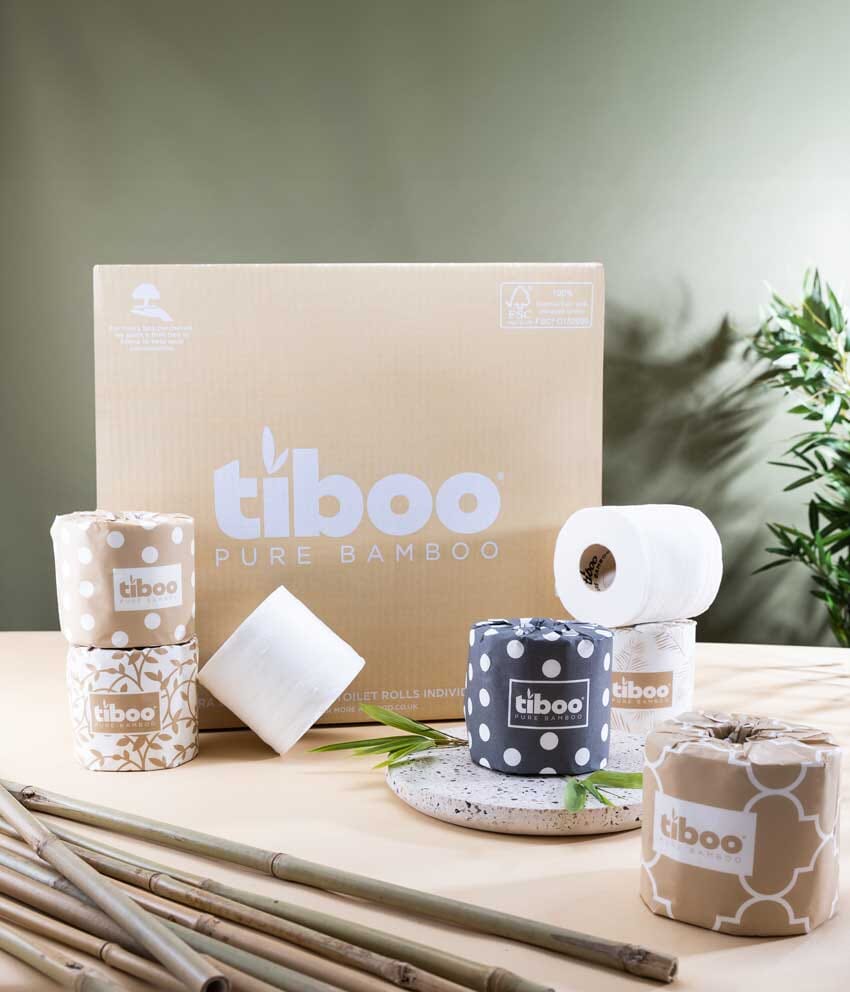
Many homes use bamboo toilet rolls several times a day. Bamboo toilet rolls offer soft touch and reliable strength. They break down well, which helps plumbing and reduces landfill waste. The quick growth of bamboo also helps maintain a steady supply without harming forest lands.
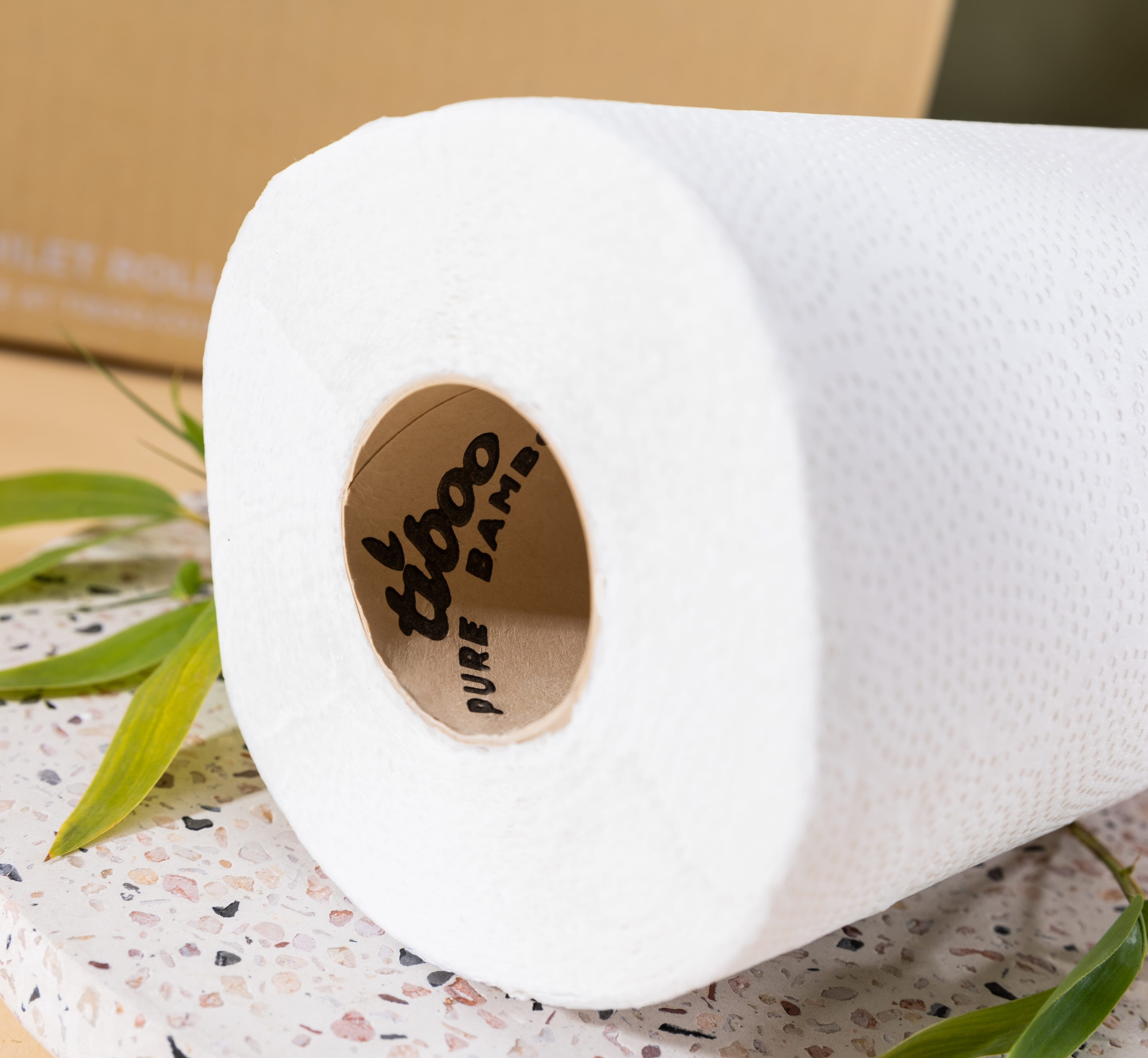
Bamboo Kitchen rolls get heavy use during cooking or cleaning. Bamboo kitchen rolls absorb better due to the natural structure of bamboo fibers. People use fewer sheets which helps cut overall waste.
Soft tissue made from bamboo gives comfort for face and nose use. It is gentle on the skin because it needs fewer chemical steps. Families with sensitive skin often find bamboo tissue a better choice.
Homes that choose responsible sources build healthier spaces. The use of bamboo-based products reduces exposure to chemical residues. It also lowers the waste that ends up in bins each week.
Products with fewer chemical treatments help maintain cleaner air indoors. This matters for kids, older people and those with allergies.
Bamboo absorbs more and lasts longer. This helps people use fewer sheets. Less waste means fewer bins and cleaner households.
Fast-growing crops like bamboo store carbon well. This lowers the footprint of the final product. When many homes pick bamboo items, the total impact becomes strong.
Finding the right products takes a little attention. People can follow simple steps before buying.
Look for labels that confirm safe and responsible sourcing. These may include forest protection standards or fair work labels.
Good brands share what they use. Look for products made from pure bamboo fibers. Avoid items with heavy dyes or added fragrances.
Responsible brands often use simple and recyclable packaging. This avoids waste while keeping products safe.
Each choice sends a message to brands. When shoppers support responsible sourcing companies change their supply chains. This helps protect land and water. It also brings safer goods into homes.
One household switching to bamboo may look small. Yet when thousands do it the demand shifts. More farms grow bamboo. More factories use clean methods. More forests stay protected.
People must understand how daily items shape the world. When shoppers ask questions, they push for better standards, which makes the market healthier and more honest.
Responsible sourcing is a practical and smart way to protect homes and the planet. It shows how responsible sourcing impacts everyday essentials in real and simple ways. Items like bamboo toilet rolls, bamboo kitchen rolls and bamboo toilet tissue offer comfort while reducing harm. These products help families live cleaner lives and support a future where resources last longer. Every choice matters; that’s why every purchase shapes tomorrow.
"*" indicates required fields