British households generate substantial amounts of packaging waste annually because they discard plastic packaging from food products and toiletries and online shopping deliveries and basic household items. The majority of waste comes from single-use plastics followed by cardboard and metal and glass materials. The current recycling infrastructure has improved yet discarded packaging materials still find their way into landfills and natural ecosystems.
The growing amount of packaging waste puts additional stress on waste management facilities because these facilities operate at maximum capacity due to rising consumer demand. The total number of products shipped with multiple protective layers reveals the actual extent of packaging waste. The environmental impact of packaging waste starts before customers receive their deliveries because shipping boxes with plastic padding and adhesive labels create substantial environmental damage.
How Packaging Waste Impacts the Environment starts before items reach the disposal stage.
The manufacturing process for packaging materials demands both energy consumption and water usage and extraction of raw materials. The production of plastic depends on fossil fuels but cardboard and paper production requires tree resources. The production of metal and glass requires substantial amounts of energy. The use of single-use packaging materials leads to complete resource exhaustion after their first use.
The manufacturing process of plastic products generates millions of tons of greenhouse gases annually. Plastic waste that enters waterways transforms into microplastics which damage wildlife populations and marine ecosystems and create health risks for humans.
The storage capacity of landfills faces an urgent crisis because packaging waste occupies extensive amounts of space. The storage capacity of landfills faces a critical situation because plastic waste and other lightweight materials fail to compress during storage. The extended presence of waste in landfills leads to chemical leakage that contaminates both soil and water resources. The decomposition process of certain materials extends beyond 100 years while others remain permanently unchanged.
Knowing it How Packaging Waste Impacts the Environment brings about a change of habit and a signal that there is a need for better systems that can help in recycling, reusing, and reduction.
The manufacturing process that harvests the packaging involves materials that contribute to global warming. It includes transportation from one country to another where the materials are made; hence, carbon footprints result. Even the recycling plants produce a little, much smaller compared to producing new materials.
Plastic arrives in rivers through wind, storms, and unsuitably managed waste disposal systems, making it one of the biggest hazards to marine ecosystems worldwide. Microplastics have already been found in fish, tap water, and even the atmosphere. Research on long-term penalties is ongoing, and specialists already rank microplastics as one of the most important environmental matters facing the world.
Slowly degradable packaging releases toxins into the soil. Inks and dyes used for colouring packaging contain heavy metals, which disrupt entire ecosystems and contaminate crops. Since the degradation of packaging takes centuries, the resultant damage will stretch into multiple generations.
Convenience foods bear an unseen environmental cost.
With all of the ways that people buy these days, it is nearly impossible to escape packaging: supermarkets wrap products for convenience, hygienic reasons, and branding; online sellers ship sturdy and safe packaging that guarantees that fragile items cannot be harmed on their journey to clients. Even extremely environmentally conscious consumers occasionally find it difficult to prevent needless trash.
The hidden price of this is that the majority of packaging is used for a few minutes, yet it harms the environment for tens of years. Nevertheless, most makes use of plastics due to their lightness and inexpensiveness-the very things that hurt the planet.
Altered customer performance can drive the highly recyclable or reusable packaging trend. Indeed, in recent times, more and more customers have started moving toward simpler, cleaner packaging or even a totally packaging-free concept.
Recycling is by no means a cure-all, despite its vast potential to decrease packaging waste. Resources that are difficult or too expensive to recycle include multifaceted packaging and mixed plastics. Even when properly disposed of in the proper recycling bin, dirty packaging is frequently turned away.
While cardboard and paper are already recycled in the UK, plastic recycling rates are still extremely low, and the majority of recycled malleable materials get downcycled, that is, made into a lower-quality product rather than new packaging and may eventually wind up in landfills. Reduction and reuse, as opposed to recycling alone, have longer-lasting effects.
Additionally, you are pushing them to reconsider their packaging in favour of products that are simpler or even recyclable. Due to their ease of processing, paper-based alternatives are now used by the majority of eco-companies.
Each of these stores will encourage shoppers to bring in their own jars and containers for everything from soap and detergent to pasta and spices for refilling. And they are popping up everywhere in the UK, reducing plastic waste considerably.
Glass containers, strong boxes, and bags still serve useful functions for storage, crafting, as well as in innumerable daily uses. Recycling of this type of material spreads the life cycle of package materials, reducing demands on new materials.
Because each council is different, they have different rules respecting reprocessing. If it’s sorted out correctly, then it actually gets recycled and doesn’t go into landfills.
Some brands invest in eco-friendly packaging techniques, so using their services encourages good industrial standards.
Companies fare better than households since they are able to control the amount of waste generated. Companies need only to terminate
The improvement in the packaging system can therefore allow an organization to cut operational costs not only by reducing environmental degradation but also through meeting the increased expectations of consumers for greener products.
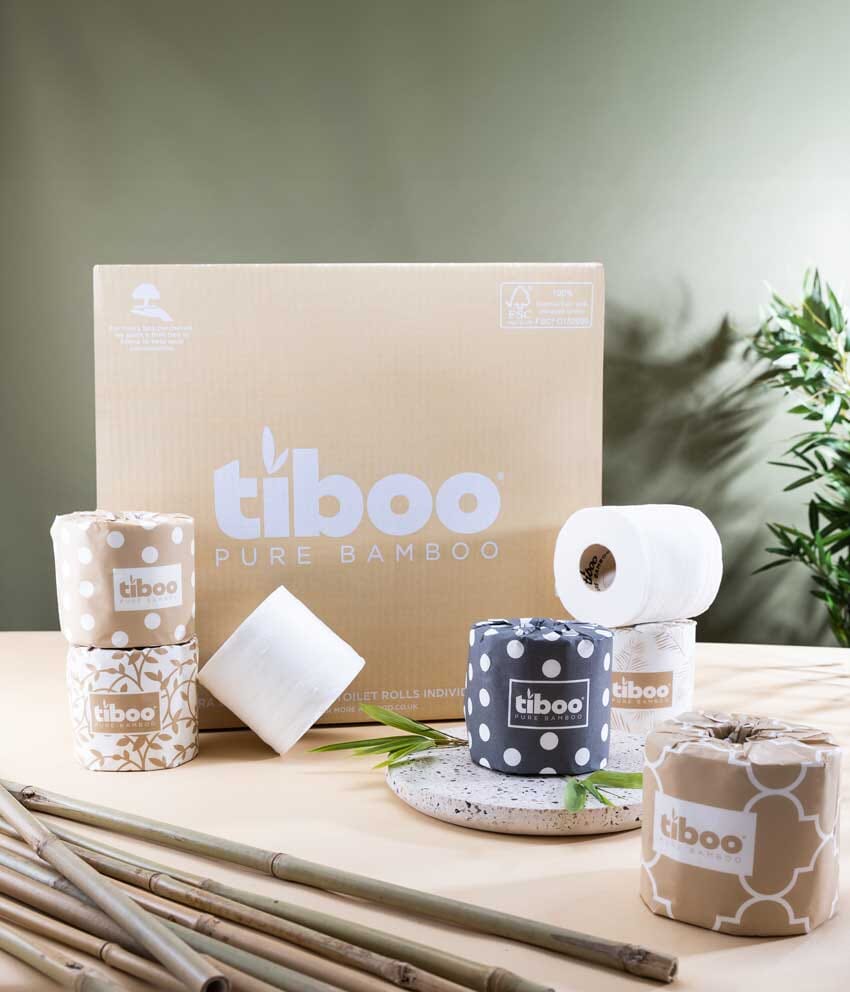
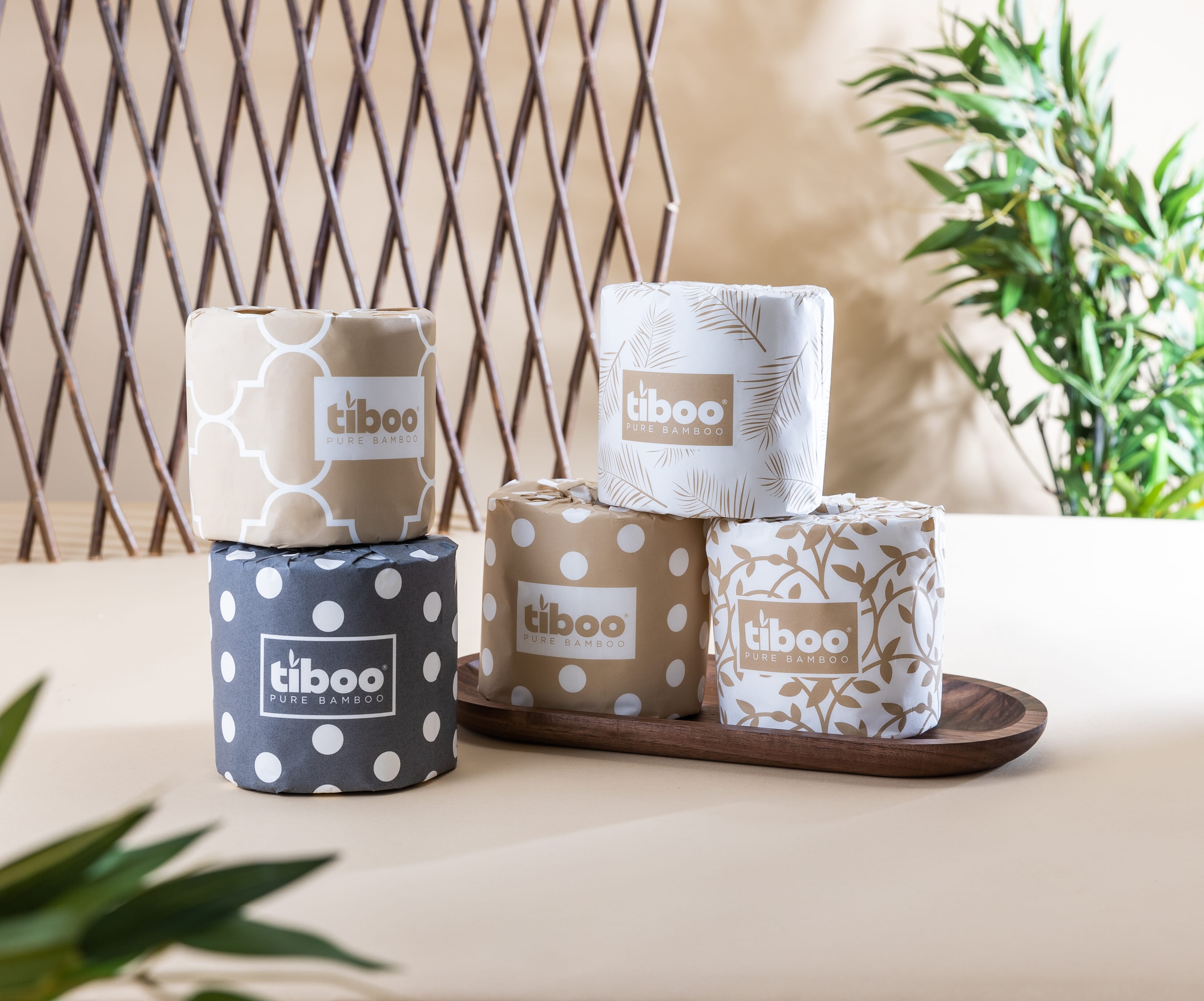
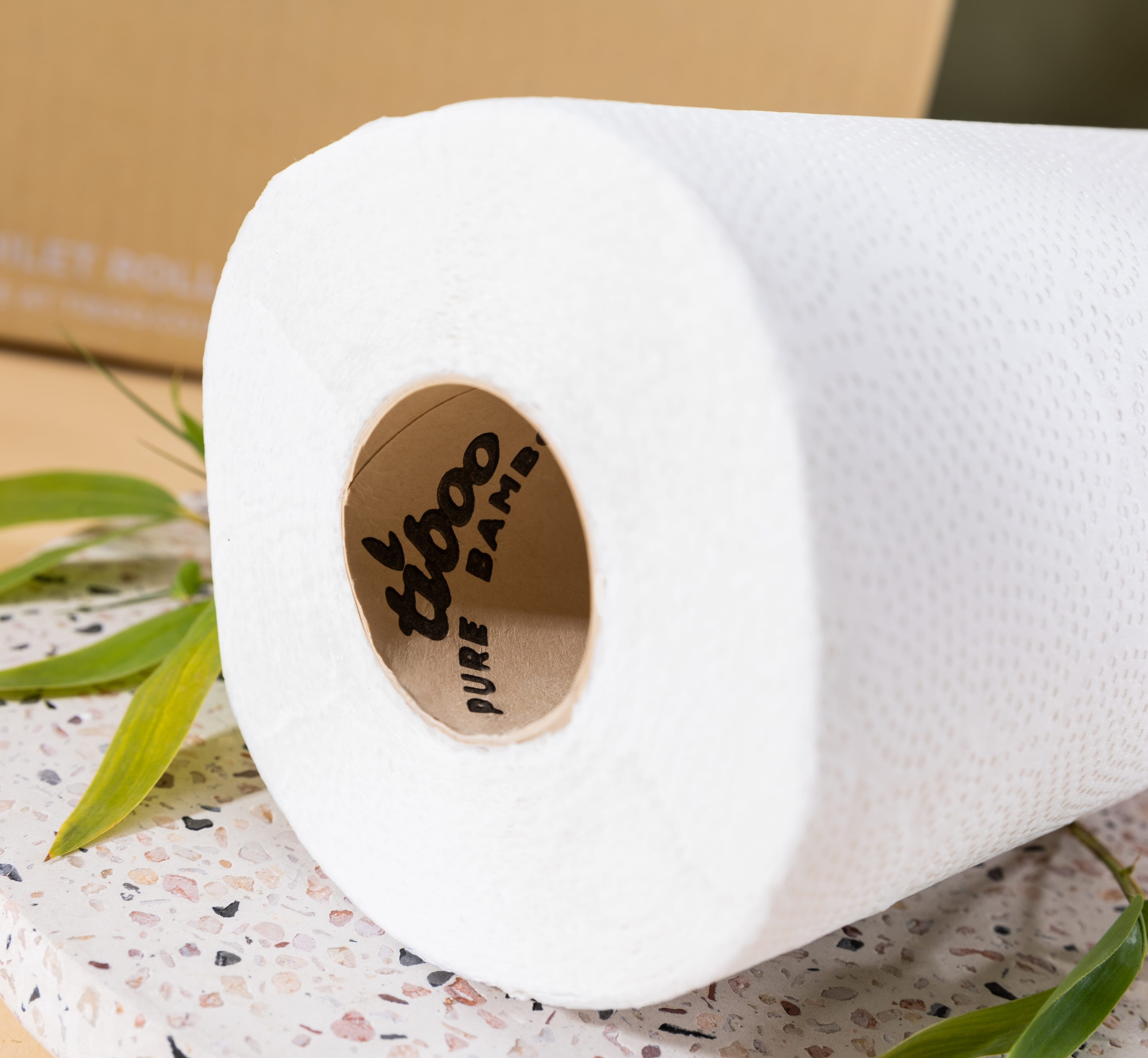
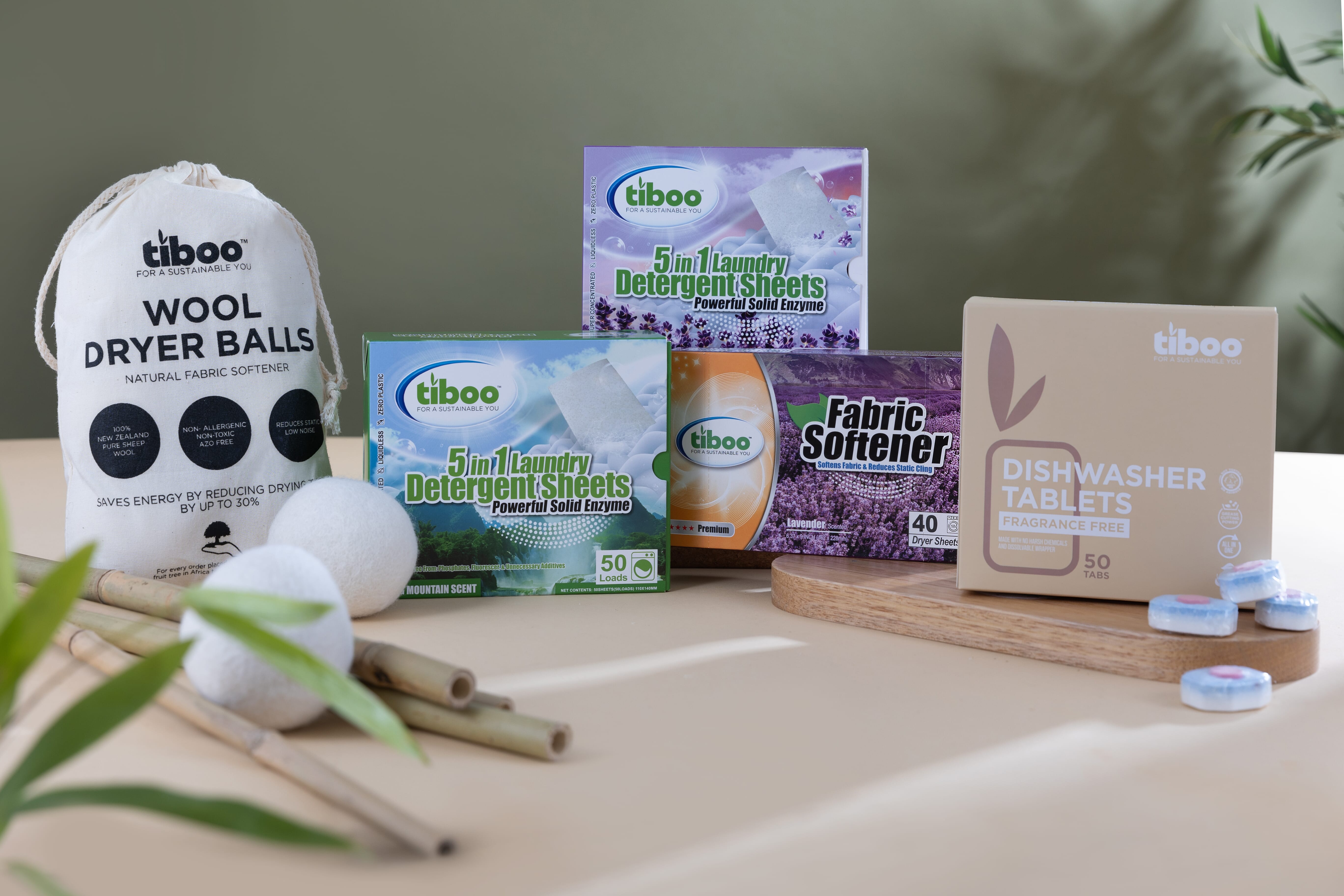
Currently, more households are applying green alternatives in the form of sustainable cleaning products, items made of bamboo, and bathroom essentials that generate minimal waste. Most of these would be made of recyclable or biodegradable packaging for the purpose of reducing waste in the future. Choices like switching to eco friendly cleaning products could very well support this more significant movement toward responsible consumption.
This would go a long way toward dropping packaging waste if businesses and customers were to cooperate; every little helps.
How Packaging Waste Impacts the Environment is just the first step toward a better future. Any industry in whatever field now looks for new materials with reduced supply use and less pollution.
Bioplastics, compostable packaging, plant-based materials, and comestible films are some early, greener replacements reaching the market. As technology gets even better, these products will become progressively common and reasonable.
Other manipulating factors include government rules: the UK government policy is expectable to further increase encouragement of recycling, discouragement of single-use plastics, and motivation toward sustainable manufacturing.
There is a crucial need to address the scope, frequency, and distribution of packaging waste’s properties on the environment. Understanding How Packaging Waste Impacts the Environment help us make choices that protect the environment, such as cutting back on the amount of throwaway materials we use or supporting companies who have made sustainability a top importance. Every bit is helpful. Even though packaging excess is a global issue, minor changes at home and at work can have a significant impact.
"*" indicates required fields