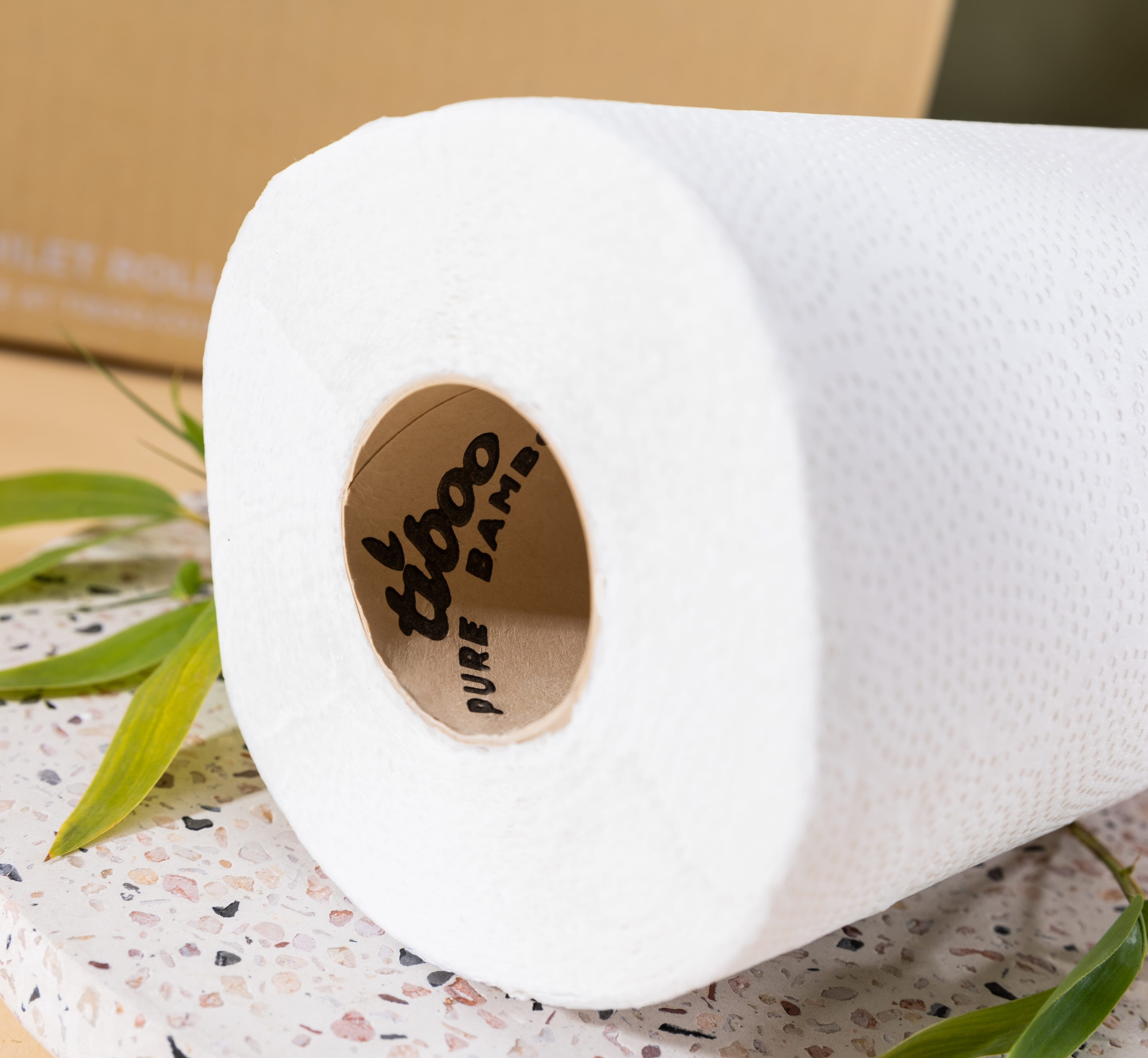
One of the biggest differences between conventional and eco-friendly cleaning products is concentration. Many traditional cleaners are mostly water, combined with fillers and harsh chemicals. You’re paying for larger bottles, heavier shipping, and frequent replacements.
Eco-friendly cleaning products are typically concentrated, meaning a smaller amount goes much further. One bottle can often replace three or four standard cleaners. While the initial cost may be higher, the cost per use is usually lower.
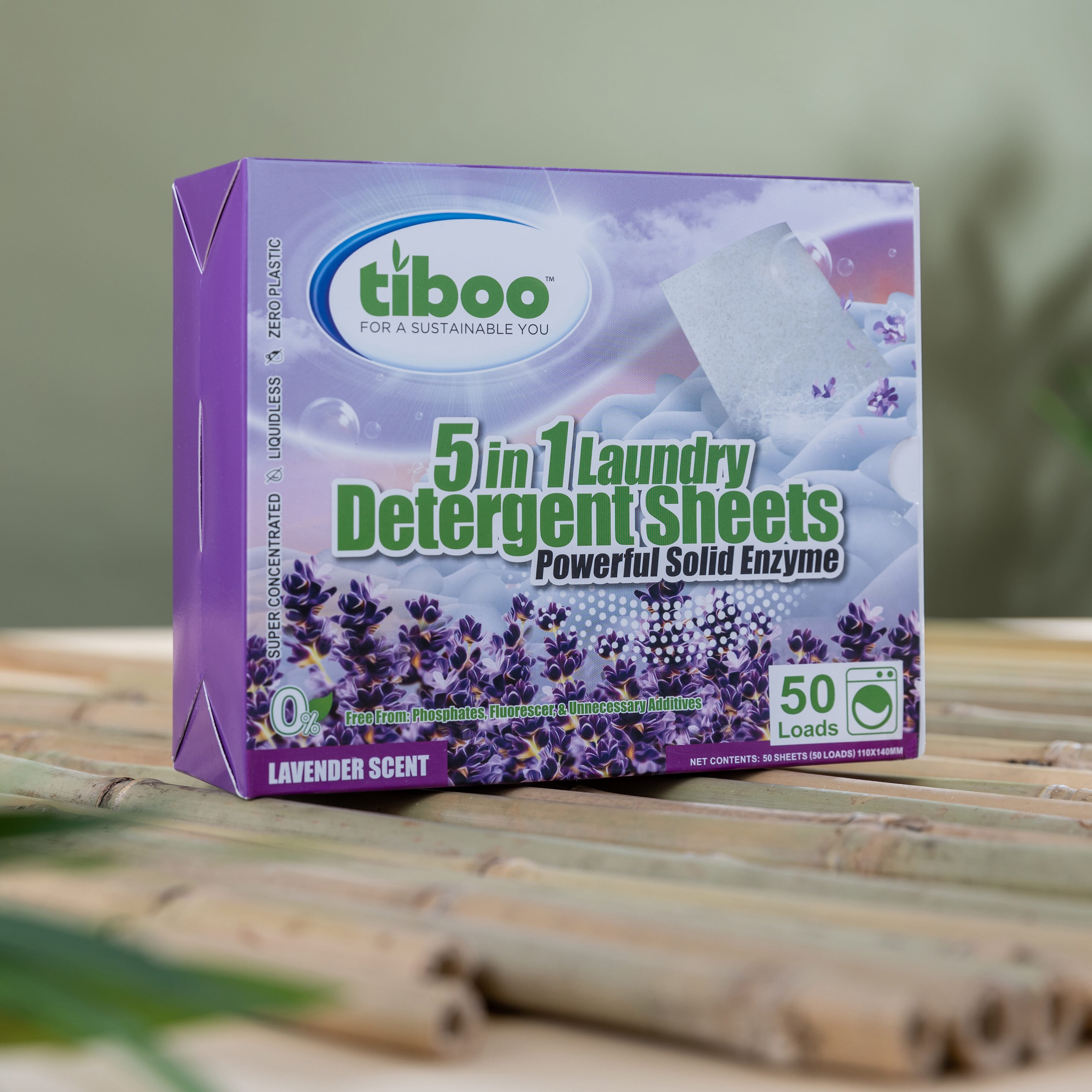
Brands like Tiboo design their formulas to be diluted or used sparingly, allowing each bottle to last longer and reducing how often you need to restock.
Many households use a separate cleaner for nearly every surface – glass, countertops, bathrooms, floors, and kitchens. That adds up quickly in both cost and clutter.
Eco friendly cleaning products are often formulated to be multi-purpose. A single plant-based cleaner can safely clean multiple surfaces throughout the home. This means fewer bottles to buy, fewer products to store, and fewer repeat purchases throughout the year.
Replacing several specialised cleaners with one versatile product is one of the fastest ways to save money.
Harsh chemical cleaners may deliver immediate results, but repeated use can damage surfaces over time. Acidic or abrasive ingredients can strip finishes, dull stone, weaken grout, and wear down appliances.
Repairing or replacing damaged surfaces – such as refinishing floors or restoring countertops – can be costly. Eco-friendly cleaning products are designed to clean effectively without being corrosive, helping preserve the condition of your home.
By extending the lifespan of surfaces and finishes, gentle cleaners help avoid expensive maintenance and replacements.
Conventional cleaners often release volatile organic compounds (VOCs) and synthetic fragrances into the air. These substances are associated with respiratory irritation, headaches, skin sensitivities, and allergy flare-ups.
Eco-friendly cleaning products typically avoid harsh chemicals, making them a better option for indoor air quality. For households with children, pets, or individuals with asthma or sensitivities, reducing exposure can make a noticeable difference.
While health savings aren’t always immediate, fewer sick days, doctor visits, and medications can add up over time.
Many eco-friendly brands focus on sustainability beyond ingredients, offering refill programs that lower both environmental impact and cost. Instead of purchasing a new bottle each time, customers can buy refill concentrates at a reduced price.
Tiboo’s refill options, for example, help cut repeat purchase costs while also reducing plastic waste. Over a year, refill systems can significantly lower the total amount spent on cleaning supplies.
Eco-friendly cleaning products are formulated to remove dirt and grime efficiently rather than masking it with artificial fragrances. Because of this, less product is often needed per cleaning session.
Using smaller amounts consistently reduces overall consumption. Over months of regular cleaning, that reduction can translate into meaningful savings without sacrificing results.
Many eco-friendly cleaners work effectively in cold water and require minimal rinsing. Conventional products often rely on hot water and multiple rinses to remove chemical residues.
Using cold water reduces energy costs, and fewer rinses mean less water consumption. These small efficiencies can add up over the course of a year, especially in homes with frequent cleaning routines.
Some of the costs associated with conventional cleaners aren’t obvious at checkout. Harsh chemicals can contribute to plumbing corrosion, septic system disruption, and increased strain on community water treatment systems.
Eco-friendly cleaning products are designed to break down more safely, helping reduce these long-term risks. While these savings aren’t always immediately visible, they help avoid costly repairs and infrastructure-related expenses down the line.
When comparing cleaning products, it’s easy to focus on the price per bottle. A more accurate comparison looks at cost per use, product lifespan, versatility, and long-term impact on health and home maintenance.
Eco-friendly cleaning products may not be the cheapest option on the shelf, but they are often among the most cost-effective choices over time.
When used correctly, their concentrated formulas and multi-purpose use often make them less expensive per use than conventional cleaners.
Yes. Quality eco-friendly cleaners are designed to remove dirt and bacteria effectively without harsh chemicals.
Look for concentrated formulas, refill options, and multi-surface cleaners to reduce both product count and frequency of purchase.
"*" indicates required fields