The UK is dedicated to ensuring that greenhouse gas emissions are reduced dramatically by 2030 and that manufacturing areas, which have traditionally relied on high levels of resources for their production processes, enhance energy use. Historically, the manufacture of toilet paper rolls has involved huge amounts of water, chemicals, and electricity. Raw material ingesting is also under increasing pressure to demonstrate calculable emissions decreases. This is among the first areas in which clear perspectives are drawn on
In actuality, manufacturers are urged to make investments in greener production cycles, cleaner gear, and renewable energy sources. Carbon taxes and obedience fees increase operating costs for those who fail to meet environmental standards.
This could be quite a difficult transition for small mills, considering the financial investment involved. Still, larger brands are bound to move in and embrace such innovations or changes as part of a strategy that will help them maintain their positioning over the longer run. Indeed, this may even shift the competitive dynamics over time towards greener companies.
The type of material used to make toilet rolls is arguably one of the most important policy changes. Traditionally, virgin wood pulp which comes mostly from forests outside of the United Kingdom has been a major component of toilet rolls. The trend toward using fast renewable fibers and well-sourced material is a result of climate regulation, which promotes alternatives that put less strain on natural resources.
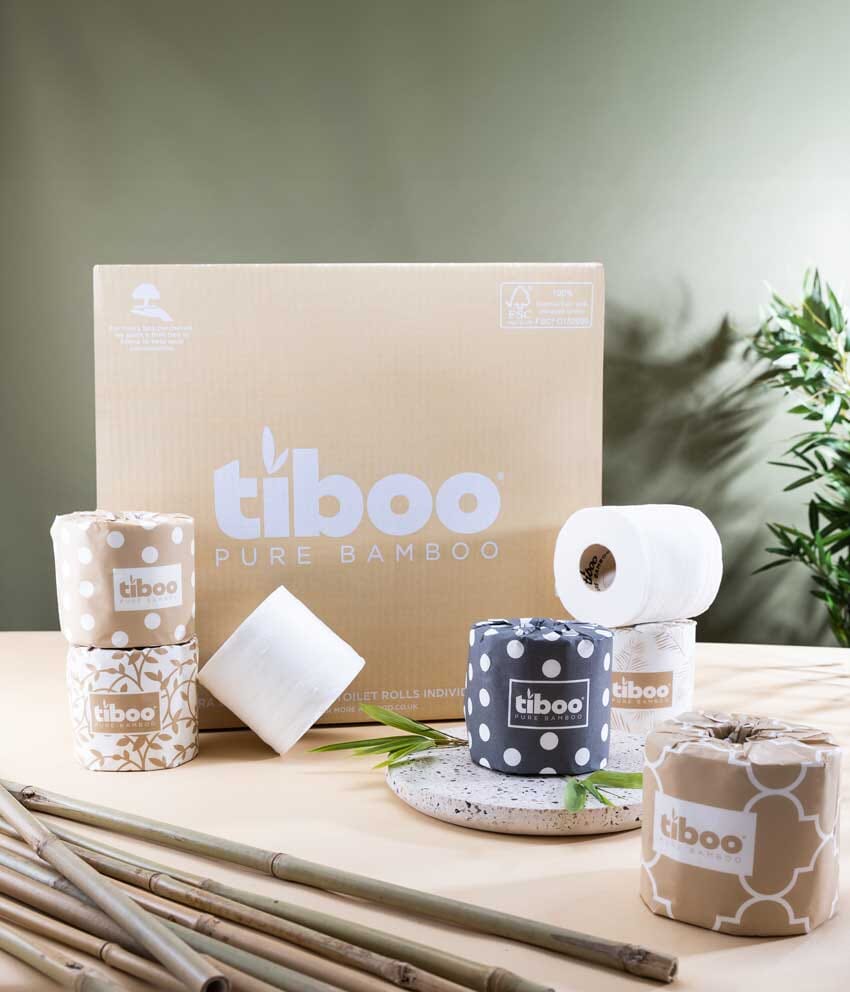
While consumers are already moving in that direction, climate policies accelerate this trend even further. In such a situation, the demand for value-added fibers goes up and the manufacturing companies have no option but to take necessary action or lag behind in business. This is clearly visible from the following trend of increased use of such sustainable alternatives as bamboo toilet rolls. Most people take bamboo as a plus – it grows at an extremely high pace, requiring fewer resources.
More importantly, with such tightened environmental requirements, material transparency and traceability will be obligatory-that is, it will be obligatory for brands to show where the source of the raw materials is, how they have been harvested, and if they come in conformance with the global standards of sustainability. Responsible sourcing will no longer be a marketing angle but a legal expectation.
The other key factor is the environmental policy. How Climate Policies in the UK Will Impact the Toilet Roll Industry. Regarding single-use plastics, decomposable materials, and biodegradable packaging, the UK government has consistently prolonged and reinforced existing limits. In this sense, toilet roll producers must adjust their outside packaging to meet the simple sustainability necessities.
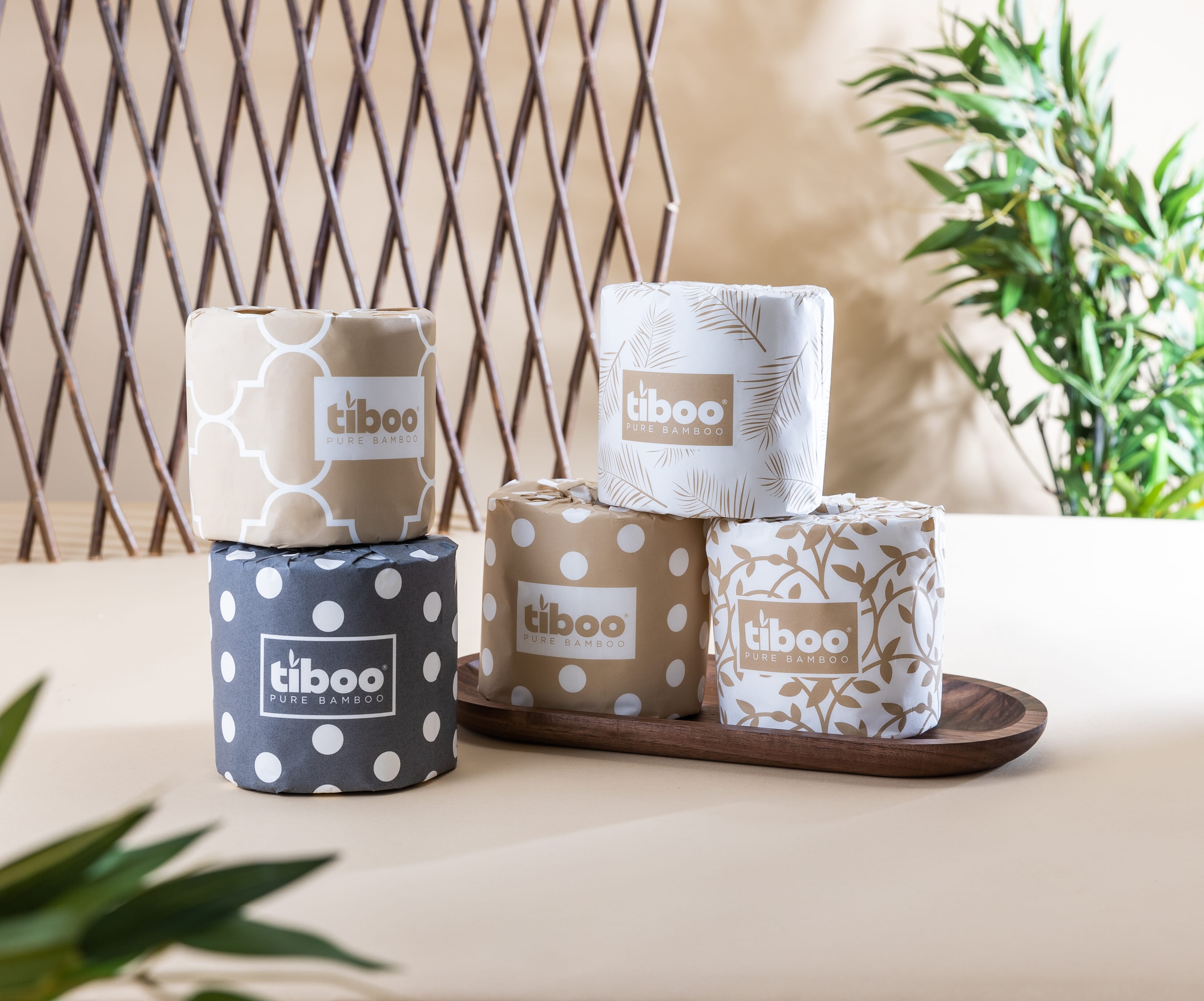
It is not going to be so easy to justify the keeping of traditional plastic wrappings when local councils start calling for strategies around waste reduction. To date, some brands have done well in adopting either paper-based or compostable packaging; more will be called upon to make that move quickly. Those who don’t will be subject to penalties, taxes, or taken off the retail shelves of those requiring the eco-friendly standards.
This may raise production costs during the period of adjustment in which strict packaging laws are put into place, but over time, once sustainable packaging is the norm, there is the possibility of some long-term savings.
Transport emissions also form one of the most critical sections of the UK environmental framework. Heavy goods vehicles are a dominant portion of the overall pollution levels targeted by the government for electrification and stringent fuel regulations, to which the distribution of toilet paper is linked since large volumes of bulky goods require high mileage for transport.
It might include strategic changes to manufacturing distance, warehouse location, and means of delivery. This could influence the prices the products sell for and the availability of certain products in specific areas. In fact, a number of brands may shift to localized production to avoid long travel distances and ensure compliances.
Supply chains dependent upon overseas imports of pulp or finished rolls will come under greater scrutiny, particularly with the prospect that international transport may shortly become more expensive owing to new climate-based tariffs or border controls. Thus, the industry will increasingly move toward greener logistics that are more domestic in alignment.
British customers have also grown more conscious of how their purchases affect the environment since the introduction of climate policy. The market for toilet paper is beginning to reflect this trend in consumer behaviour: consumers demand that firms demonstrate their environmental credentials and provide clarity on sustainability claims.
In other words, it elevates sustainability from a secondary desire to one of the considerations when making decisions. The more people are informed about environmental regulations, the more they expect businesses to align themselves with the set climate goals at a national level.
A product that comes across as being wasteful and non-compliant is likely to fall out of favor, whereas those rolls that can promote greener living, reduce waste, and help contribute toward lower carbon emissions are likely to benefit. Indeed, this very trend also shows up in growth in markets for bamboo kitchen rolls and all other replacements that reduce the burden on the environment.
Those who cannot increase to the new prospects will struggle to be competitive in the longer term. Early adopters will rise brand devotion and short-term faith.
Corporations are under pressure to contain more evidence about emissions, waste management, and energy supply and feasting in their environmental reports as a result of new environment policies. In the case of toilet paper, that would mean greater scrutiny from the general public about manufacturing.
Growing calls for greater frankness make greenwashing extremely dangerous. Brands will need to deliver evident evidence to support all of their rights in the future. Customers will have access to more information and be able to equivalence brands with greater neutrality. Greater clarity will pay off for those responsible companies.
Climate regulations are likely to continue driving up the operating expense landscape, leading to further rises in the traditional cost of manufacturing toilet rolls. Investment is needed in sustainable materials, cleaner energy, and better packaging.
In the long term, the industry may well change and see the market stabilize when eco-friendly practices are usual; prices may shift around for a while. Therefore, as demand increases and production effectiveness progresses, the prices of these maintainable items will eventually become more competitive. However, if costs begin to climb as a result of regulatory implications driving the industry toward greener options in accordance with national sustainability targets, traditional rolls will become less appealing.
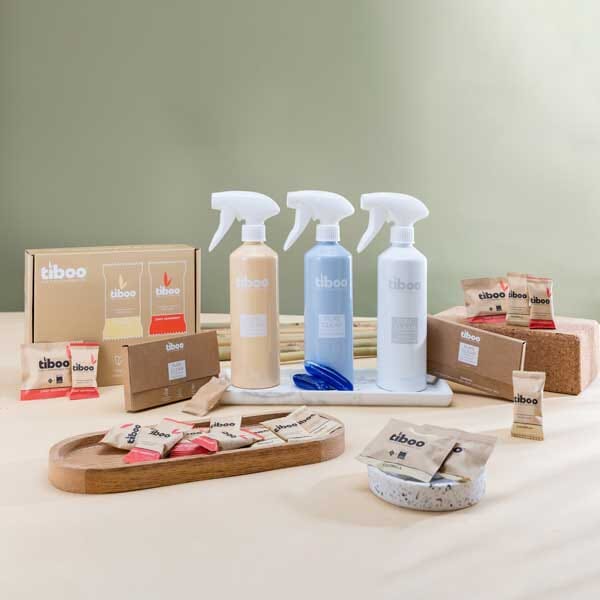
These climate policies will not only affect business but also how families think about ordinary household products. Actually, the bathroom is one of the easiest places where greener living can start, and the toilet roll is an easy place to begin. Besides the tissue products themselves, there is a big public want for eco friendly cleaning products, plastic-free toiletries, and waste-conscious accessories.
As awareness widens, households will increasingly be looking toward products that help further the environmental agenda of the UK. The market, in turn, will be pushed into a new era of innovation, better sourcing of materials, and environmentally-friendly packaging.
One of the best illustrations of how deep climate policies penetrate the house and impact even the most commonplace goods is the toilet roll sector. The entire supply chain will be changed, from packaging and logistics to creation and materials. For firms to stay ahead of the law or gain a competitive benefit in satisfying customer expectations, How Climate Policies in the UK Will Impact the Toilet Roll Industry. Nowadays, purchasing decisions are prejudiced by sustainability, and businesses that adopt eco-friendly solutions early on are at the forefront of an altering industry.
This will represent a significant alteration in the next years toward greater revolution, more environmentally friendly sourcing, and complete transparency. The toilet paper sector will follow the broader trend toward a cleaner and more responsible future as long as the UK meets its climate commitments.
"*" indicates required fields