Traditional forestry focuses on growing and harvesting trees for commercial use. These trees may take several decades to mature depending on the species. Forests are managed carefully but large scale harvesting still changes landscapes and ecosystems over time.
In many regions forestry supports jobs and local economies. Wood from forests is used in paper production furniture and housing materials. However slow regrowth can create challenges when demand increases faster than forests recover.
Because trees need many years to reach maturity the harvesting cycle is long and resource intensive.
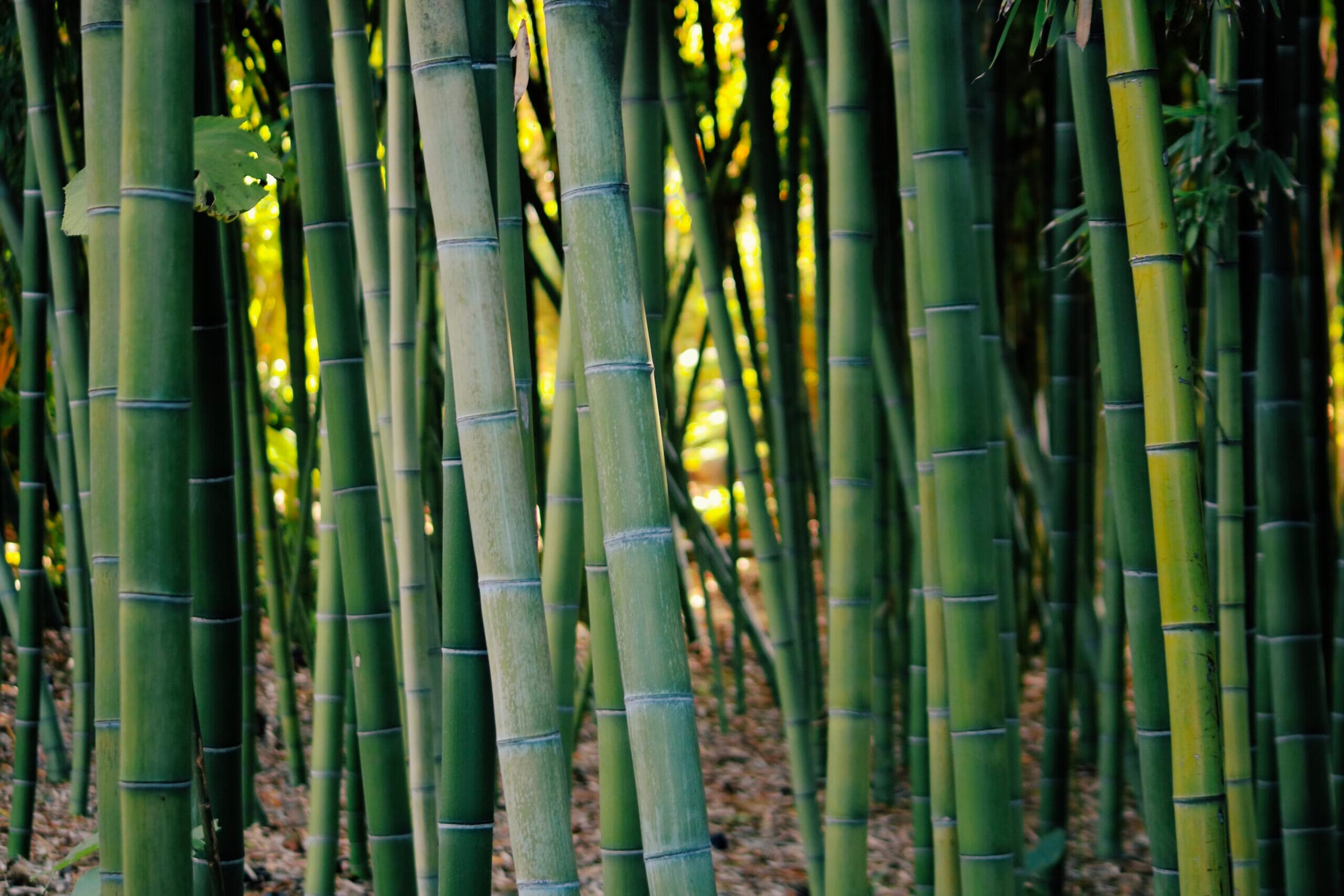
Bamboo farming works very differently from traditional forestry. Bamboo is technically a grass rather than a tree. This changes the way it grows and regenerates.
Unlike trees bamboo can grow extremely fast. Some species reach full height within months instead of decades. After harvesting the root system remains alive and continues producing new shoots naturally.
This regrowth process means farmers do not need to replant after every harvest. It also reduces soil disturbance and supports continuous production.
One of the biggest differences is growth speed. Traditional forests require patience because trees mature slowly. Bamboo grows rapidly and can often be harvested within a few years.
This fast cycle allows bamboo farms to produce material more frequently. It also reduces pressure on long term land use because the same area can continue generating crops without complete clearing or replanting.
This is one of the main reasons behind growing interest in How Bamboo Farming Differs from Traditional Forestry.
Forestry operations sometimes involve heavy machinery and large scale clearing. These activities can affect soil quality and nearby ecosystems if not managed carefully.
Bamboo farming usually has a lighter impact on the ground. The root structure helps hold soil together and reduces erosion. Since the roots stay active after harvesting the land remains stable and productive.
Healthy soil supports long term farming and lowers the need for major land recovery efforts.
Another major difference involves resource use. Traditional tree farming may require large amounts of water depending on climate and species. Some forestry systems also depend on chemical treatments or fertilisers.
Bamboo generally requires fewer resources once established. It grows naturally in many conditions and often needs less maintenance. This makes it attractive for sustainable farming practices.
Lower resource use is one reason bamboo based products are becoming more common in homes and businesses.
Forests are home to many species of plants and animals. Poor forestry practices can damage these habitats and reduce biodiversity. Responsible forestry management aims to minimise this impact but challenges still exist.
Bamboo farming can also affect ecosystems if expanded carelessly. However well managed bamboo farms often maintain ground cover and reduce soil damage. This creates a more stable environment for surrounding areas.
Balance remains important in both systems. Sustainable management matters more than the material alone.
The rise of bamboo farming has influenced many industries, especially paper production. Products once made mainly from wood pulp now include bamboo alternatives.
For example, bamboo toilet rolls have become a popular option for households looking to reduce reliance on traditional paper sources. Their fast-growing origin makes them attractive to environmentally aware consumers.
In kitchens, many people also choose bamboo kitchen rolls because they combine durability with renewable sourcing. Similar interest continues to grow around bamboo toilet tissue products used in everyday routines.
Plants absorb carbon as they grow. Since bamboo grows rapidly it absorbs carbon quickly during its growth cycle. This helps support lower overall environmental impact when managed responsibly.
Traditional forests also store carbon and remain essential for environmental balance. However slower regrowth means recovery takes longer after harvesting.
This comparison is another reason people explore How Bamboo Farming Differs from Traditional Forestry when discussing sustainable production.
Harvesting methods differ greatly between these systems. Forestry often involves cutting down entire trees and transporting heavy logs for processing. This process can require significant machinery and labour.
Bamboo harvesting is usually lighter and more selective. Farmers cut mature stalks while younger shoots continue growing. This keeps the farm productive without full clearing.
Such methods support continuous harvesting cycles and reduce waste.
Although bamboo farming offers many advantages it is not perfect. Large scale farming still requires responsible land management. Poor planning can lead to monoculture farming which reduces biodiversity.
Transport and processing also affect sustainability. If bamboo products travel long distances their environmental benefit may decrease.
These challenges show that responsible production depends on good practices rather than simple labels.
Consumers today want more information about the products they buy. They ask where materials come from and how they are produced. This growing awareness has increased interest in renewable resources like bamboo.
People now understand that everyday choices influence larger environmental systems. This is why discussions around How Bamboo Farming Differs from Traditional Forestry continue to grow across industries and households.
The future will likely involve a mix of responsible forestry and renewable farming methods. Forests remain important for ecosystems and biodiversity. At the same time bamboo offers a fast growing resource that can reduce pressure on traditional wood supplies.
Innovation and better farming practices will continue shaping both industries. Consumers and businesses will play a major role in supporting responsible systems through informed choices.
Understanding How Bamboo Farming Differs from Traditional Forestry reveals important differences in growth speed resource use and harvesting methods. Traditional forestry has supported industries for generations but bamboo farming offers a faster renewable alternative.
From soil protection to continuous regrowth bamboo provides several practical advantages when managed responsibly. Everyday products linked to bamboo continue gaining attention as more people look for sustainable choices.
Both systems require careful management and long term thinking. Yet the growing interest in bamboo shows how renewable farming may shape the future of sustainable production.
"*" indicates required fields