To understand why eco friendly toilet paper matters, it helps to look at what you’re currently replacing.
Standard toilet paper is made from virgin wood pulp – a combination of hardwood and softwood trees, typically around 70% hardwood and 30% softwood. Those trees are logged, chipped, cooked with chemicals, bleached, and processed into the soft white rolls you find on supermarket shelves. According to industry data, close to a million trees are felled every single day for global toilet paper production. In the UK alone, the average person gets through around 127 rolls per year.
Beyond deforestation, conventional toilet paper manufacturing involves a range of chemicals that raise legitimate concerns. Chlorine bleaching is standard practice – used to turn pulp bright white – and produces chlorine compounds as a byproduct. Many conventional rolls also contain added fragrances, dyes, wet-strength resins, and in some cases per- and polyfluoroalkyl substances (PFAS), often called “forever chemicals” because they do not break down naturally in the environment. These substances end up in wastewater and can cause skin irritation in sensitive users.
The packaging adds another layer. Most conventional toilet paper is shrink-wrapped in single-use plastic – a material that serves its purpose for a few seconds in the supermarket before taking hundreds of years to degrade.
Eco friendly toilet paper addresses the problems above at every stage – raw material, manufacturing process, and packaging. Genuinely sustainable options typically share several key characteristics:
Of all the eco friendly alternatives available, bamboo toilet paper has emerged as the most compelling – and for good reason.
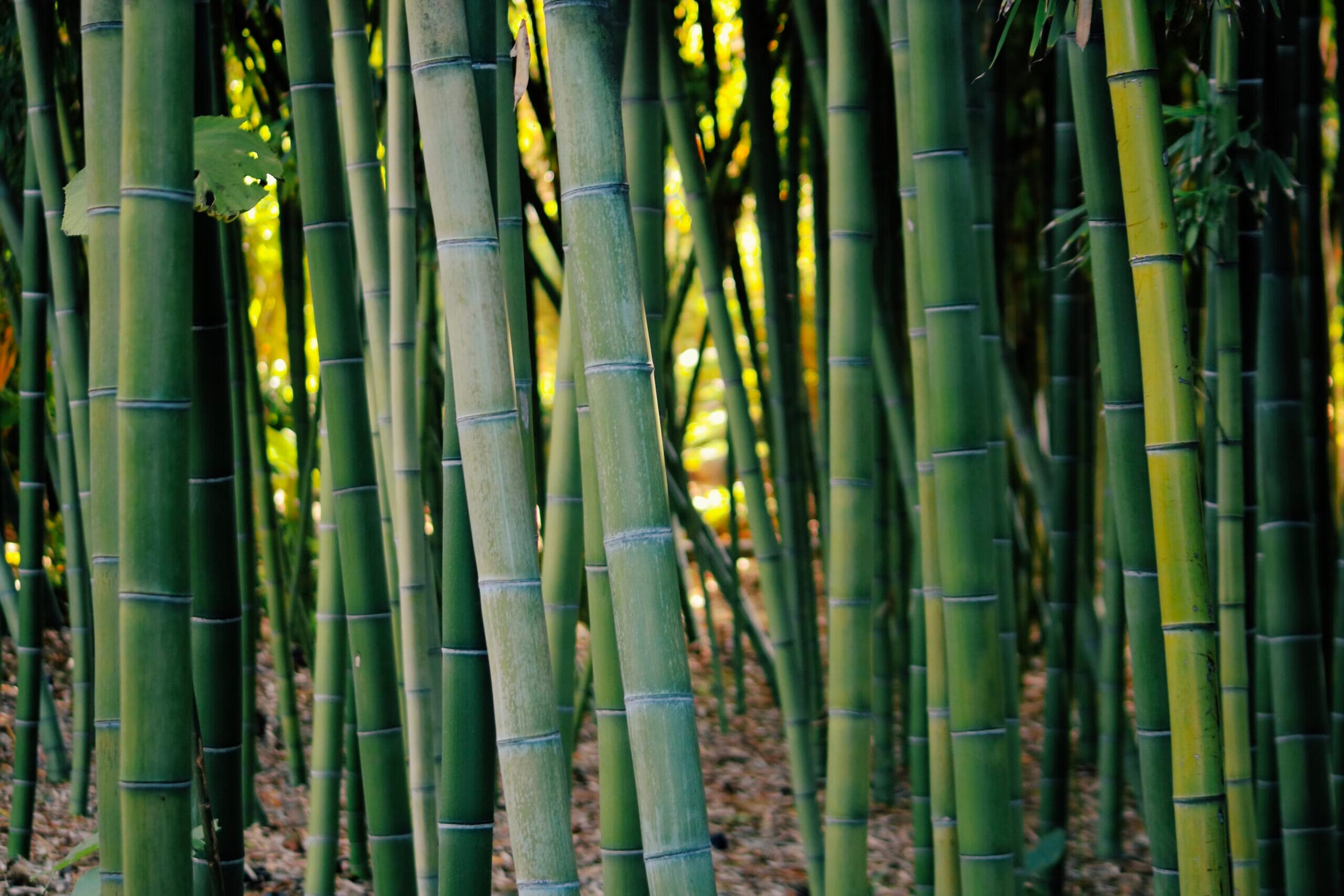
Bamboo is not a tree. It is a grass, and one of the fastest-growing plants on Earth. Some species can grow up to three feet in a single day. Unlike trees, bamboo regenerates from its existing root system after harvesting – there is no need to replant, and no disruption to the soil ecosystem. A bamboo crop can be harvested in three to five years, compared to 20 years or more for most hardwood trees used in conventional toilet paper.
The environmental benefits go further. Bamboo produces approximately 30% more oxygen than an equivalent stand of trees and absorbs around 35% more carbon dioxide. It requires no pesticides or fertilisers under natural growing conditions. And because it is naturally antibacterial and hypoallergenic, bamboo fibre carries these properties into the finished product – making bamboo toilet paper a genuinely better option for households with sensitive skin, allergies, or young children.
In terms of the finished product, the quality of bamboo toilet paper has advanced considerably. The concern that eco friendly means scratchy or thin is no longer relevant. Premium 3-ply bamboo toilet paper – particularly rolls produced with extra-large sheets and edge embossing rather than full embossing (which weakens the tissue) – delivers a softness and durability that rivals or exceeds the conventional rolls most people are used to.
Recycled toilet paper is the other major eco friendly option, and it deserves an honest mention. It is made from post-consumer waste paper – office paper, newspapers, cardboard – diverted from landfill and processed into toilet tissue. It avoids cutting new trees, which is a meaningful benefit.
However, recycled toilet paper has some limitations. The de-inking process uses chemicals, and recycled paper can contain trace residues from its previous uses – including in some cases BPA from thermal paper. It also tends to be softer than conventional paper but generally softer than premium bamboo. For households prioritising comfort alongside sustainability, bamboo typically comes out ahead.
The environmental hierarchy, according to the Natural Resources Defence Council, puts post-consumer recycled content at the top for lowest environmental impact overall – but FSC-certified bamboo is a very close second and offers advantages in softness, natural antibacterial properties, and the absence of recycled-paper residues.
For most UK households, bamboo toilet paper offers the best combination of sustainability, comfort, and confidence in what you’re putting on your skin.
Not all products marketed as sustainable live up to their packaging. Here is what to check before you buy:
The most common concern about switching to bamboo toilet paper is comfort. The honest answer is that for most people, the transition is seamless – and many find that premium bamboo tissue feels noticeably softer than the conventional rolls they were using before.
The only real adjustment is psychological. Unbleached bamboo paper has a natural beige colour rather than bright white. That colour is not a quality indicator – it simply means the product has not been treated with chlorine. Once you understand that, it becomes a reassurance rather than a concern.
Bamboo toilet paper is also fully safe for standard plumbing and septic systems. Because bamboo fibres break down quickly in water – faster than conventional paper – it is arguably better for your plumbing than many of the “luxury” multi-ply conventional rolls that break down more slowly.
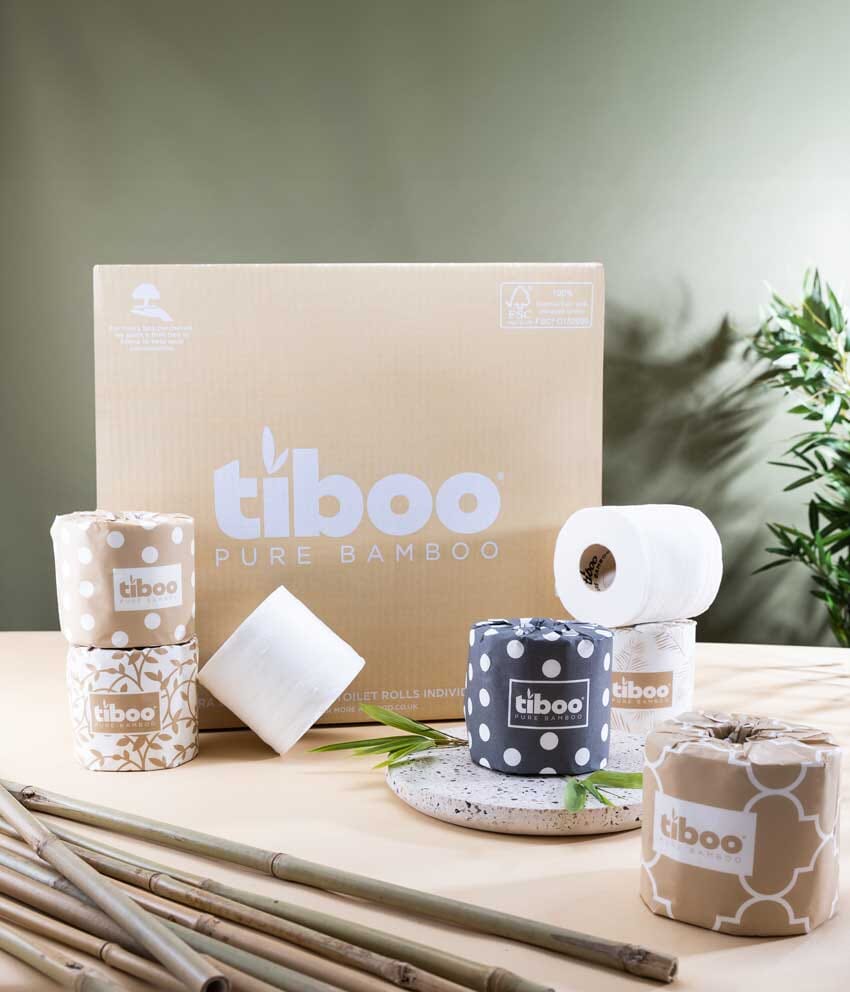
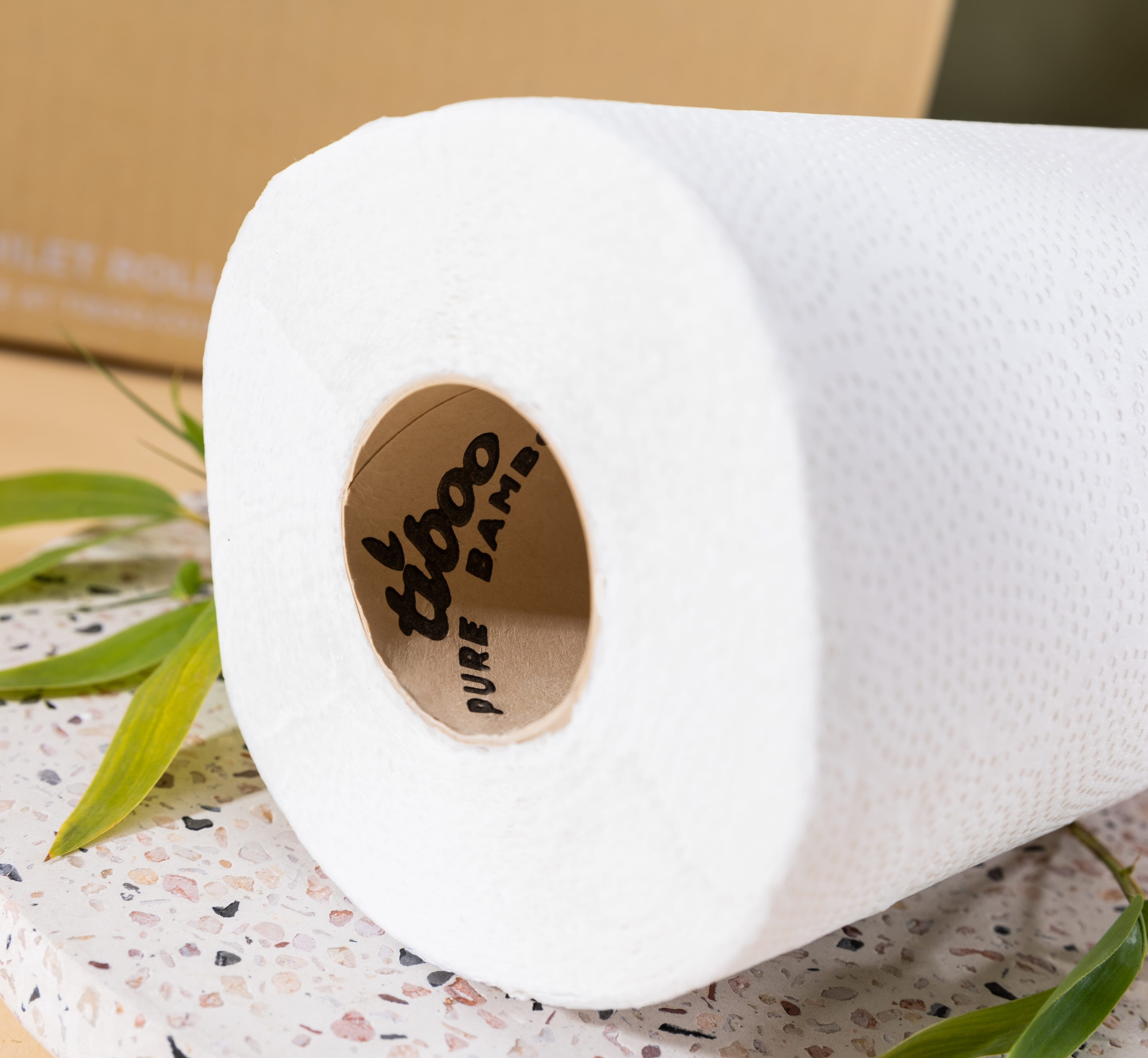
Tiboo is a UK-based brand built around the belief that sustainable living should not require any compromise on quality. Their 100% FSC-certified bamboo toilet paper is unbleached, PFAS-free, and free from added fragrances and chemicals. Every roll is 3-ply, double-length at 30 metres per roll, and individually wrapped in recycled paper – with the outer packaging in 100% recycled cardboard and no plastic anywhere in the delivery.
What sets Tiboo apart is the detail. Our rolls use edge embossing rather than full-surface embossing, which preserves the full strength of the tissue. The sheet size is larger than most comparable products. And with each purchase, Tiboo plants a fruit tree in Malawi through a partnership with Ripple Africa, supporting communities while contributing to reforestation.
Subscription options mean you can receive 60 or 80 rolls every two, three, or four months – with a 10% saving on every order – removing the supermarket trip entirely and reducing per-order packaging and carbon footprint.
Is bamboo toilet paper actually eco-friendly?
Yes, when properly certified. FSC-certified bamboo grown without pesticides or fertilisers, processed without chlorine, and delivered in plastic-free packaging is significantly more sustainable than conventional virgin-pulp toilet paper.
Is bamboo toilet paper soft?
Premium 3-ply bamboo toilet paper is genuinely soft – often softer than mid-range conventional tissue. The key is the quality of processing and the ply count. Single-ply or over-embossed bamboo rolls can feel rough; well-made 3-ply products do not.
Can bamboo toilet paper be used with a septic tank?
Yes. Bamboo fibres break down quickly in water, making bamboo toilet paper safe for septic systems and composting toilets – often more so than conventional paper.
What does unbleached mean on bamboo toilet paper?
It means the paper has not been treated with chlorine to whiten it. Unbleached bamboo toilet paper is naturally beige and free from the chlorine compounds that conventional bleaching produces. It is cleaner for your skin and for wastewater systems.
Is eco friendly toilet paper more expensive?
The per-roll price of bamboo toilet paper is often higher than budget supermarket brands. But when you account for sheet count, roll length, and the fact that high-quality bamboo tissue is more absorbent and lasts longer, the cost-per-use difference is often smaller than it appears. Subscription discounts close the gap further.
What should I look for on the label?
FSC certification, totally chlorine-free or unbleached processing, PFAS-free formulation, plastic-free packaging, and a clearly stated roll length and sheet count. Avoid products that use vague “eco” or “natural” language without independent certification to back it up.
Does bamboo toilet paper block drains?
No. Bamboo fibres dissolve in water faster than conventional toilet paper, making it less likely to cause blockages, not more.
Switching to eco friendly toilet paper is one of the easiest sustainability changes available to any UK household. The environmental case is clear – deforestation, chemical processing, and plastic packaging make conventional toilet paper one of the most quietly damaging products in the average bathroom. Bamboo toilet paper addresses all of those problems without asking you to sacrifice comfort or convenience.
The key is choosing the right product. Unbleached processing, PFAS-free formulation, and plastic-free packaging are the markers of a genuinely eco friendly option – not just good marketing. Tiboo’s bamboo toilet paper meets all of those standards while delivering a 3-ply softness and double-length roll that makes the switch feel like an upgrade rather than a compromise.
One roll at a time, it adds up to something meaningful.
"*" indicates required fields