Eco friendly cleaning products are formulated to clean effectively without harming people, animals, or the planet. Unlike conventional cleaners, they avoid synthetic chemicals that pollute waterways, irritate skin, and degrade indoor air quality.
Key characteristics include:
Choosing products with these qualities lets households and businesses maintain high hygiene standards without sacrificing environmental responsibility.
Conventional cleaning products contribute to water and soil pollution. Their production consumes high amounts of energy and generates chemical waste. Switching to eco-friendly alternatives reduces your household’s direct environmental impact at every use.
Many conventional cleaners release volatile organic compounds (VOCs) that trigger allergies, asthma, and skin irritation. Eco friendly cleaning products use gentler formulas that maintain the same cleaning power without the health risks.
Every purchase of an eco-friendly product sends a signal to manufacturers. Brands like Tiboo reinvest in sustainable sourcing, clean energy, and biodegradable packaging when consumers choose green. Your buying decision has a real downstream effect.
Refillable bottles, concentrated formulas, and compostable packaging reduce landfill waste. Choosing products designed for reuse is one of the most practical ways consumers can support a circular economy.
Understanding what goes into eco cleaners helps you spot greenwashing and make genuinely informed choices. Here are the most common and effective natural ingredients:
| Ingredient | What It Does |
|---|---|
| Plant-Based Surfactants | Derived from coconut or corn; replace harsh synthetic detergents while lifting grease and dirt effectively |
| Essential Oils (Tea Tree, Lavender, Lemon) | Natural antimicrobial and antifungal agents; provide fragrance without synthetic perfumes |
| Citric Acid | Dissolves limescale and mineral deposits; safe for most surfaces and septic systems |
| Baking Soda | Gentle abrasive for scrubbing; neutralises odours without masking them chemically |
| White Vinegar | Cuts through grease and kills common bacteria; ideal for glass and non-porous surfaces |
| Hydrogen Peroxide | Oxygen-based disinfectant; breaks down safely into water and oxygen after use |
The workhorse of any green cleaning kit. Plant-based surfactants and essential oils make these effective on kitchen surfaces, bathroom tiles, and living areas. Look for concentrated versions to reduce packaging.
Eco bathroom cleaners tackle soap scum, limescale, and mould without chlorine or ammonia. Many are biodegradable and certified safe for septic systems – an important consideration for rural properties.
Compostable or recyclable pre-moistened wipes made from plant-derived materials. Convenient for quick clean-ups without the chemical residue left by conventional wipes.
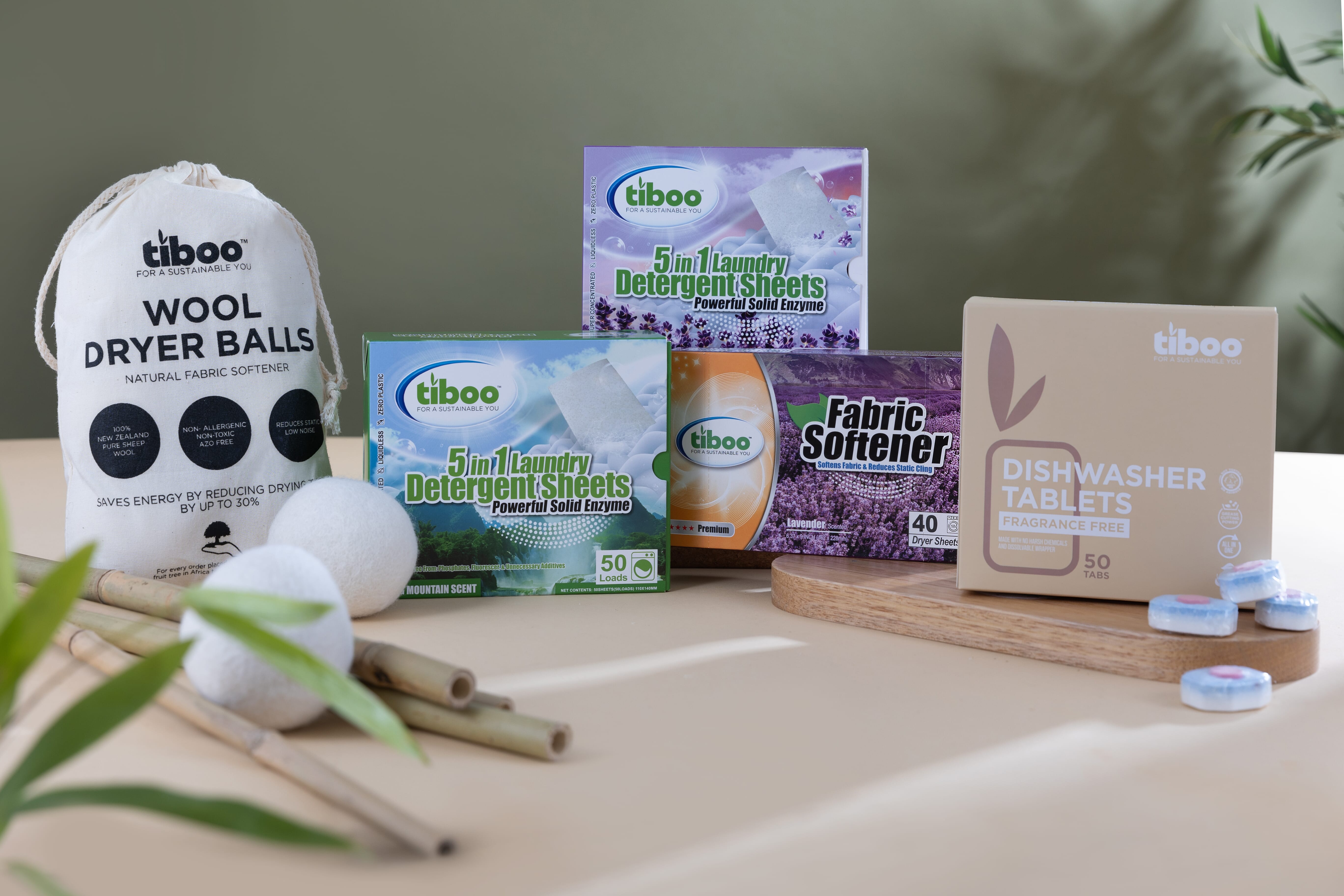
Formulated with plant-based enzymes and surfactants, eco laundry detergents clean effectively at low temperatures – reducing energy bills as well as environmental impact. Concentrated powders or tablets cut plastic packaging dramatically.
Citrus extracts, vinegar, and essential oils provide streak-free results on glass, tiles, and sealed wood floors without leaving toxic fumes or chemical residue.
Not all products labelled ‘natural’ or ‘green’ are genuinely eco-friendly. Use these criteria to evaluate before you buy:
Yes. Modern eco friendly cleaning products are formulated to deliver results comparable to conventional cleaners for everyday tasks. Independent testing by certification bodies like the EU Ecolabel confirms minimum performance standards. For heavily soiled surfaces or specialist tasks, look for products with specific performance certifications.
The upfront cost can be slightly higher, but concentrated formulas often work out cheaper per use than ready-to-use conventional products. Refillable systems reduce ongoing costs further. When you account for the health savings from reduced chemical exposure, the overall value is competitive.
In the UK and EU, look for the EU Ecolabel (independently verified environmental performance), Cradle to Cradle (circular design), COSMOS Organic (natural/organic ingredients), and B Corp certification (overall ethical business practices). These certifications are independently audited, unlike generic ‘natural’ or ‘green’ label claims.
Most biodegradable eco cleaning products are safe for septic systems. Avoid conventional disinfectants containing bleach or quaternary ammonium compounds, which kill the beneficial bacteria that septic tanks rely on. Always check the product label for septic system compatibility.
All rooms benefit, but the impact is greatest in kitchens and bathrooms where chemical cleaners are used most frequently, and surfaces come into contact with food or skin. Children’s bedrooms and nurseries benefit especially, as young children are more vulnerable to chemical residues on surfaces.
Tiboo was built around a single principle: effective cleaning should never come at the cost of health or the environment. Every Tiboo product is formulated with:
Whether you are equipping a home kitchen or a commercial office, Tiboo’s range provides a practical, verified route to greener cleaning in 2026.
Switching to eco friendly cleaning products is one of the most accessible sustainability changes a household or business can make. The evidence is clear: plant-based formulas clean effectively, reduce chemical exposure, cut packaging waste, and support a market moving in the right direction.
In 2026, the range of genuinely high-performing eco cleaners is wider than ever. Start with one product – an all-purpose cleaner or a laundry detergent – and build from there. Tiboo’s range is designed to make that transition straightforward, effective, and verifiably sustainable.
Small, consistent choices in the cleaning cupboard create measurable environmental impact over time.
"*" indicates required fields