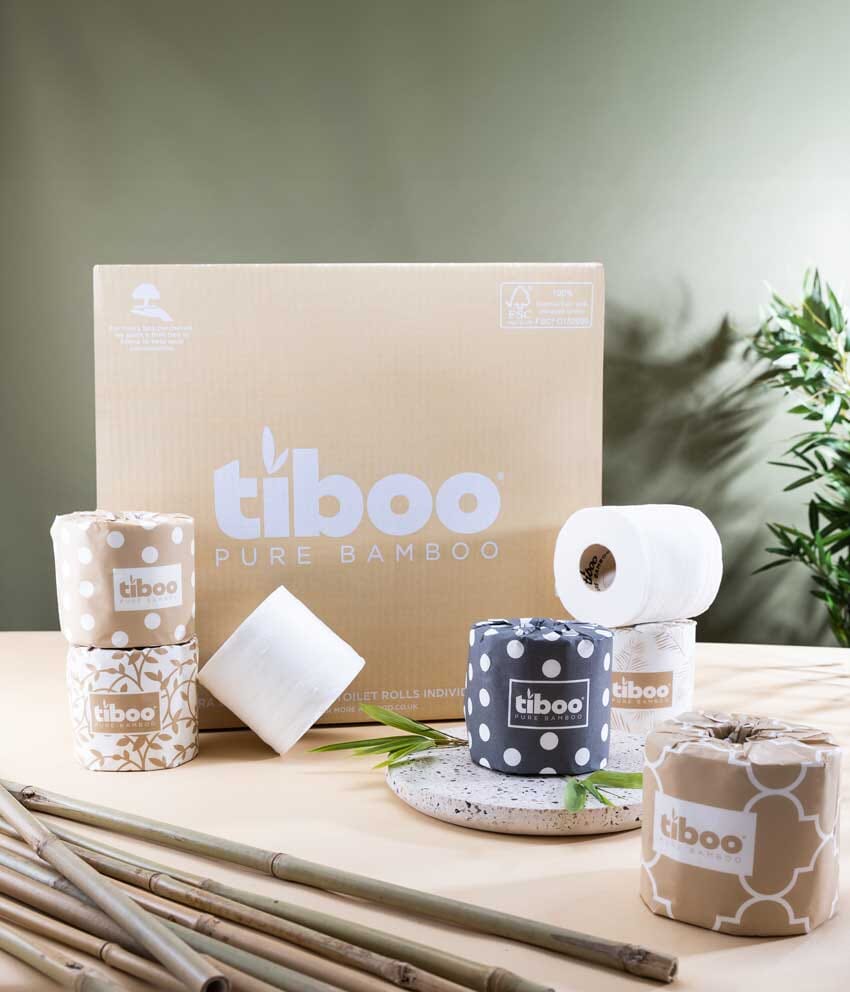
Traditional paper comes from wood pulp, which often requires heavy bleaching and chemical treatments. These chemicals can remain in the finished product and trigger reactions. The fibres in wood pulp paper are also rough, which can cause rubbing and discomfort.
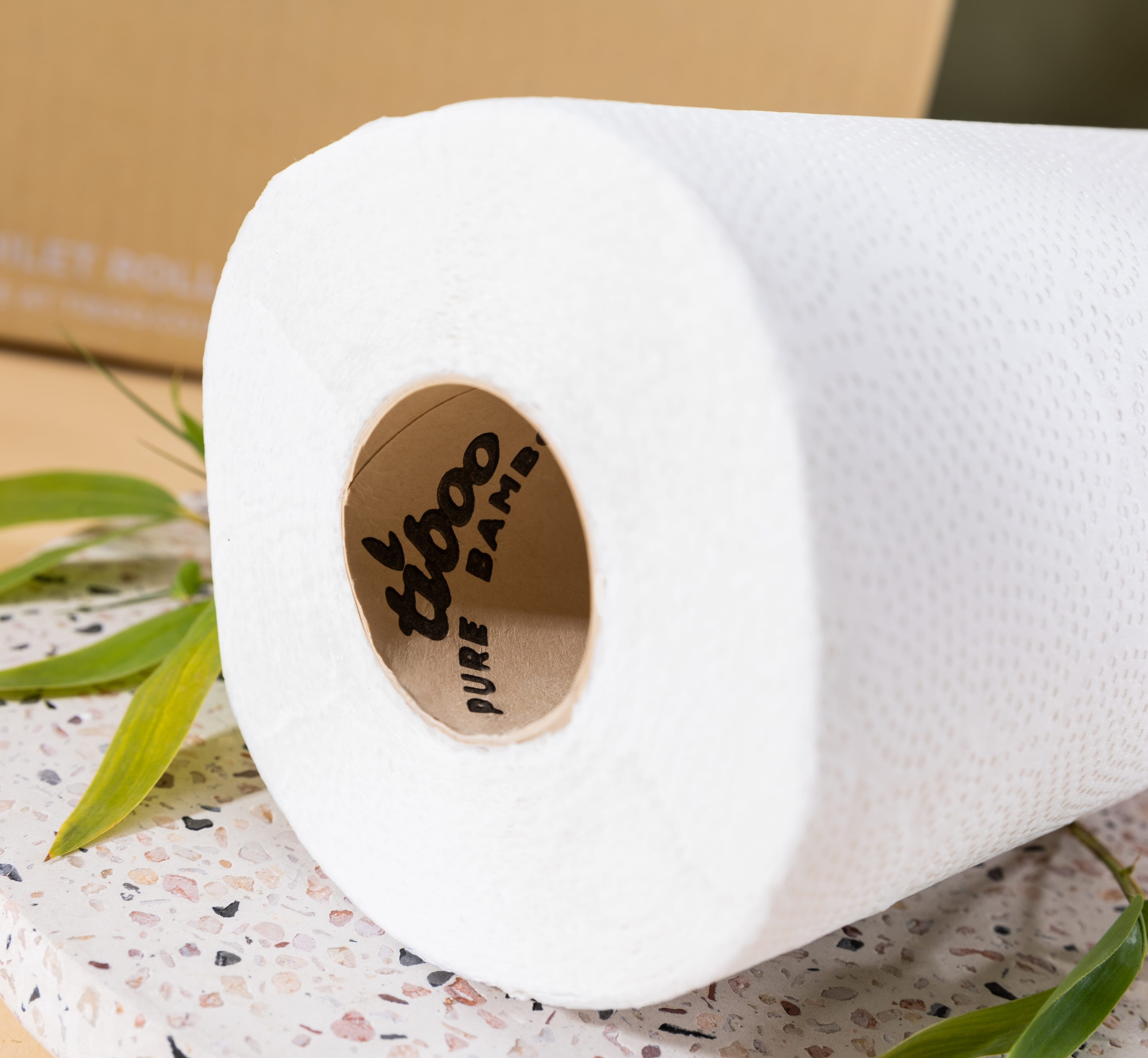
Bamboo grows quickly and has naturally smooth fibres. It can be processed with fewer chemicals, which makes it gentler on the skin. This is why products like bamboo toilet rolls are often recommended for people with sensitive skin. Bamboo combines softness and safety, which reduces irritation from daily use.
Brands and researchers now rely on data to understand how paper affects the skin. They measure softness, absorbency, and chemical residues. They also track customer feedback on reactions and irritation.
This data allows manufacturers to design paper products that minimise irritation. Softer sheets with fewer chemicals have a lower incidence of reported skin issues. Data confirms that bamboo products are generally safer and more comfortable for sensitive skin compared to traditional paper.
Bamboo fibres are naturally round, which reduces friction when they touch the skin. This makes them less likely to cause redness or abrasions. Bamboo also balances moisture well, preventing dryness and itching.
Unlike some wood pulp papers, bamboo is naturally hypoallergenic. People with sensitive skin often notice the difference immediately. Over time, using bamboo paper can reduce irritation and improve overall comfort in daily hygiene routines.
Other eco-friendly papers, such as recycled wood pulp, may still have residual chemicals or rough fibres. While they are better for the environment, they do not always reduce skin irritation. Bamboo stands out because it is both eco-friendly and naturally soft. Products like bamboo toilet rolls and bamboo toilet tissue provide both comfort and sustainability. They are suitable for all ages, including children and the elderly, whose skin is more delicate.
The way bamboo paper is processed and packaged also affects skin sensitivity. Brands that avoid harsh bleaching or chemical additives keep the fibres soft and gentle. Data shows that minimally processed bamboo loo roll is most effective at preventing irritation. Proper packaging keeps the paper clean and protects the fibres from damage. This ensures the product remains soft and safe from the first use to the last.
Customer feedback is an important source of data. Many users report less redness and discomfort when switching to bamboo paper. Parents often notice fewer diaper rashes when using bamboo wipes for babies. Adults with sensitive skin report less itching or flare-ups. These patterns are supported by data from surveys and product testing. Most users say that bamboo tissue feels smoother and causes less friction than traditional paper, especially in sensitive areas.
Bamboo not only protects the skin but also benefits the environment. Bamboo grows faster than trees and requires less water and fewer chemicals. Using bamboo reduces environmental impact, making it a responsible choice. By choosing bamboo toilet rolls, consumers support both their health and the planet. Data shows bamboo production has a lower carbon footprint than traditional wood pulp, which makes it a win-win solution.
Even when using bamboo, small habits help prevent irritation:
These habits, combined with gentle bamboo paper, help reduce skin irritation significantly
Skin sensitivity differs from person to person. Some may react to factors other than paper, such as allergies or medical conditions. Data helps identify general trends but cannot guarantee individual outcomes. Even with this limitation, studies and feedback show that bamboo paper is safer and gentler than traditional paper for most people. This makes it a reliable choice for households looking for comfort and care.
Brands continue to improve the quality of bamboo toilet paper. They are testing methods to preserve softness and remove any remaining chemicals. Innovations focus on maximising comfort while maintaining environmental benefits. As more data is collected on skin reactions and usage, bamboo paper will continue to become softer and safer. This ensures that everyday hygiene products meet the needs of sensitive users without harming the planet.
Bamboo paper is a natural solution for reducing skin irritation while supporting sustainability. Its soft fibers and gentle processing make it a reliable alternative to regular paper. The does bamboo paper reduce skin irritation data and user experience shows that products like bamboo toilet rolls, bamboo kitchen rolls and bamboo tissue are gentler, safer, and more comfortable for everyday use. Choosing bamboo paper protects sensitive skin and contributes to a clean more sustainable future.
"*" indicates required fields