Biodegradable materials are products that break down naturally over time through the action of bacteria fungi and other living organisms. This process turns the material into smaller natural elements.
However biodegradable does not always mean fast or harmless. Some products may take many years to decompose. Others may leave behind residues depending on how they are made.
The speed of breakdown depends on temperature moisture and surrounding conditions. A biodegradable product in a landfill may behave very differently from one exposed to air and water.
Compostable materials also break down naturally but they follow stricter conditions. These products turn into nutrient rich compost that can support healthy soil.
A compostable item should leave no harmful residue after decomposition. It must break down within a specific time under proper composting conditions.
This is one of the biggest points in the Difference Between Compostable and Biodegradable?. Compostable products are designed to return safely to the earth while biodegradable products simply break down over time.
At first glance both options seem environmentally friendly. Yet using the wrong disposal method can reduce their benefits.
For example a compostable product placed in a landfill may not break down correctly because it lacks oxygen and proper heat. In the same way a biodegradable product may still leave waste behind even if it eventually decomposes.
Understanding the right process helps reduce pollution and improve waste management.
Composting is a natural process where organic materials break down into nutrient rich matter. Heat moisture and microorganisms all play an important role.
Industrial composting facilities often maintain controlled conditions to speed up decomposition. Home compost systems may work more slowly depending on temperature and material type.
Products labelled compostable are usually tested to ensure they break down effectively in these conditions.
Many people think biodegradable products disappear quickly after disposal. This is not always true. Some biodegradable plastics may still remain in the environment for long periods if conditions are poor.
Marketing labels can also create confusion. A product may claim to be biodegradable without explaining how long the process takes or what conditions are needed.
This misunderstanding is one reason discussions around the Difference Between Compostable and Biodegradable? have become more important in recent years.
Household products are now being designed with more sustainable materials. Many consumers look for items that reduce waste and support responsible production.
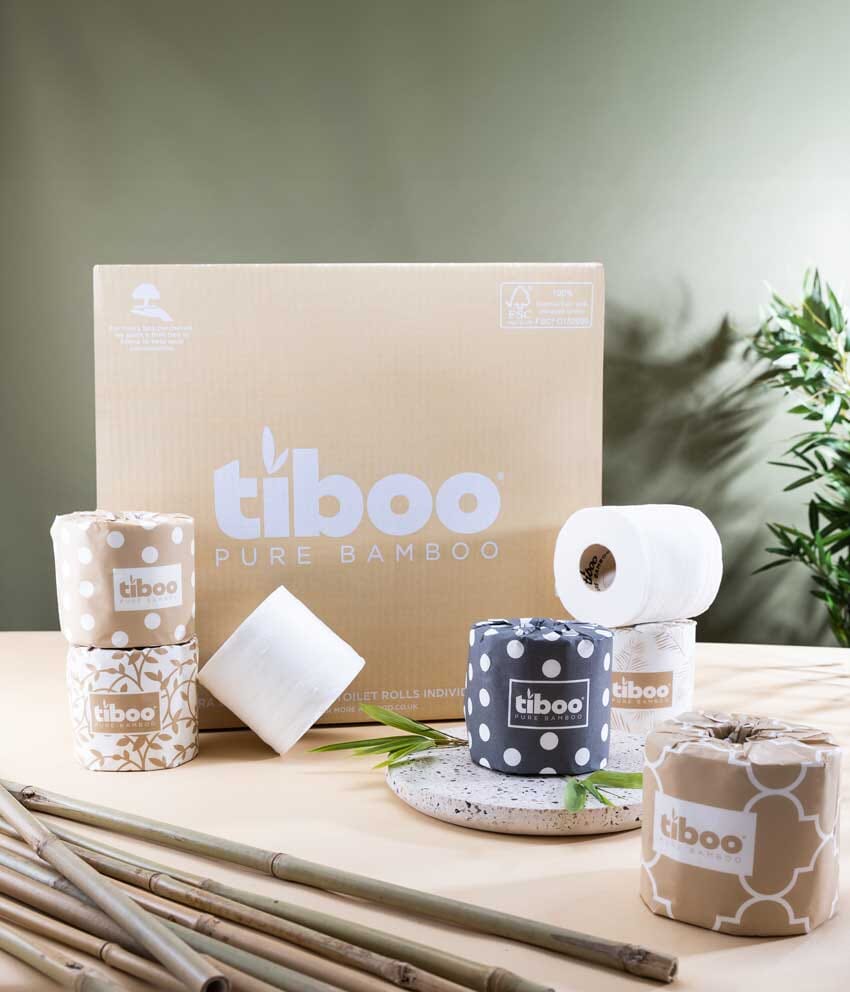
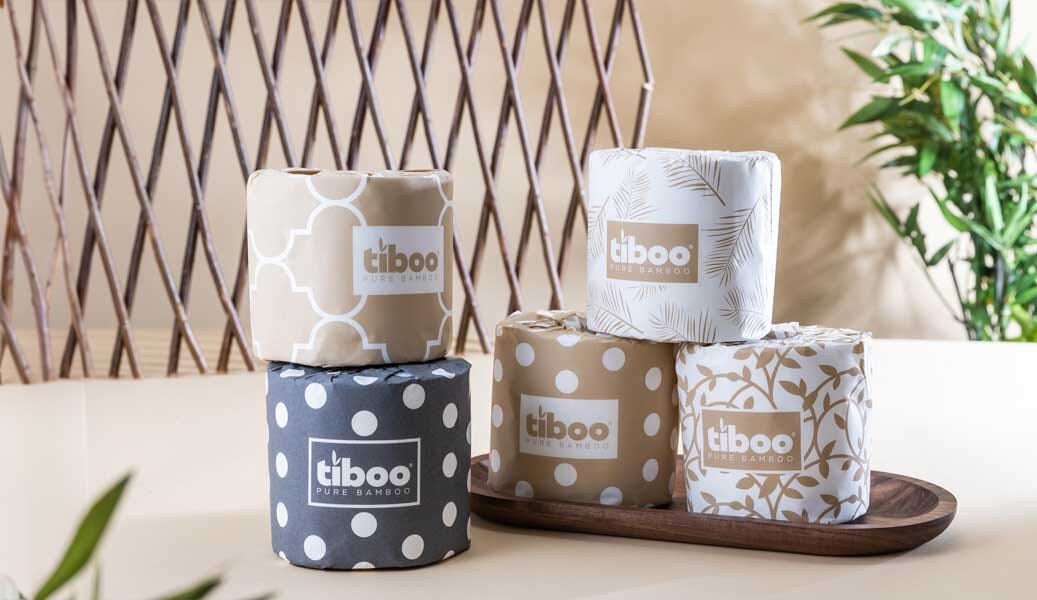
For example, bamboo toilet rolls are becoming more common because bamboo grows quickly and breaks down naturally after use. These products appeal to households looking for practical alternatives to traditional paper options.
Elsewhere in the home, bamboo kitchen rolls also support this shift towards renewable materials and lower waste production. Similar interest continues around bamboo tissue products due to their softer environmental impact.
Some packaging uses green colours and eco friendly language without giving clear information. This can make products appear more sustainable than they actually are.
Checking certifications and disposal instructions helps avoid confusion. Reliable compostable products often include details about industrial or home composting suitability.
Clear labelling allows consumers to make better decisions and dispose of products correctly.
Both compostable and biodegradable products can help reduce waste when used properly. They often create less long term pollution than traditional plastics.
However their real impact depends on production methods and disposal systems. A poorly managed biodegradable product may still harm the environment. Likewise compostable materials need proper facilities to deliver their full benefit.
This is why understanding the Difference Between Compostable and Biodegradable? matters beyond simple marketing terms.
<h2.The Role of Waste Management Systems
Waste systems play a huge role in how these materials perform. Compostable products need access to composting facilities. Biodegradable products may still require careful disposal to prevent pollution.
In some areas recycling and composting services are still limited. This creates challenges for consumers trying to make responsible choices.
Improved infrastructure and public awareness can help these systems work more effectively.
Choosing sustainable products starts with understanding labels. Read packaging carefully and look for clear disposal guidance.
Consider whether local composting or recycling facilities are available in your area. This helps ensure products are handled properly after use.
Small changes in buying habits can support larger environmental improvements over time.
Natural materials have become more attractive because people want products that create less waste and return safely to the environment. Renewable resources such as bamboo support this growing demand.
Products made from natural fibres often break down more easily and require fewer fossil fuel based materials during production. This shift reflects changing attitudes towards sustainability and responsible living.
Industries continue developing better materials and clearer standards. Governments and environmental groups also encourage companies to improve transparency around product claims.
In the future consumers will likely see more products designed for composting or natural decomposition. Better waste systems may also help these materials perform more effectively.
This ongoing progress highlights the importance of understanding the Difference Between Compostable and Biodegradable? in everyday life.
The Difference Between Compostable and Biodegradable? may seem small at first but it affects how products break down and how they should be disposed of. Biodegradable materials decompose naturally over time while compostable materials return safely to the soil under proper conditions.
Knowing this difference helps consumers make more responsible choices and avoid confusion caused by unclear marketing. It also encourages better waste habits and greater environmental awareness.
As more people focus on sustainability these terms will continue shaping the way products are made used and disposed of in the future.
"*" indicates required fields