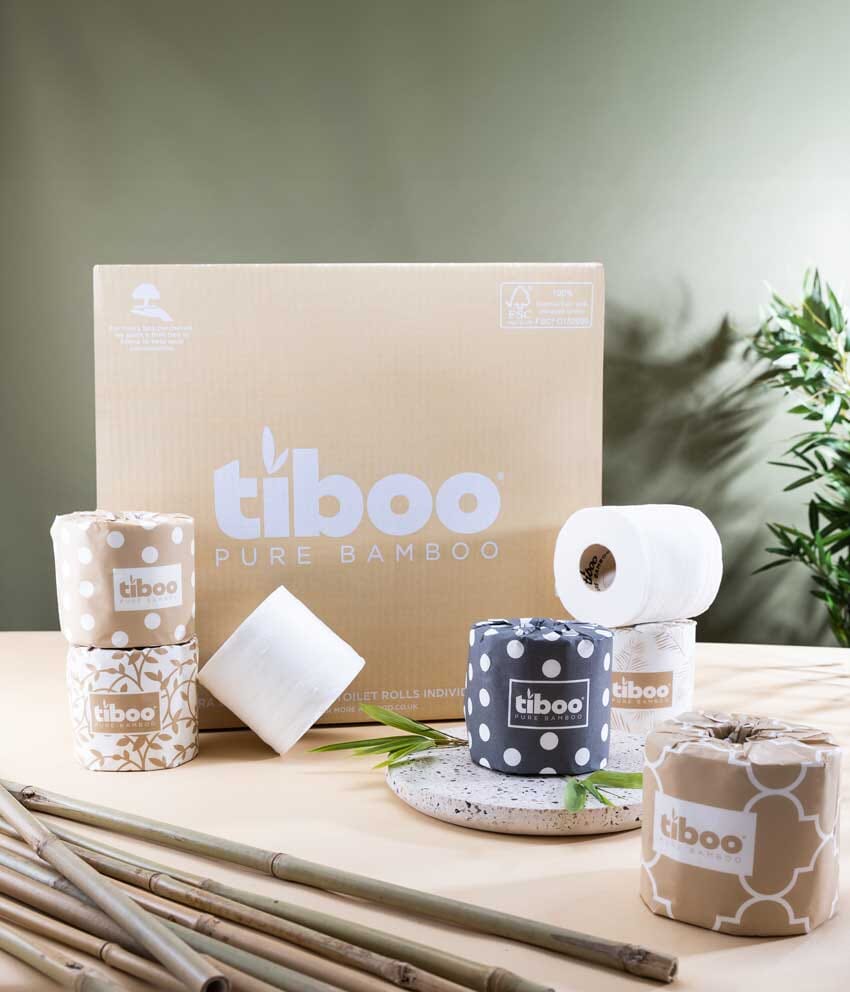
One of the biggest misconceptions is that bamboo products are always free from processing. Many assume that bamboo is used directly without any treatment. In reality bamboo fibre often goes through processing to become soft and usable for everyday items. This does not automatically make it harmful but it does mean the final product is not always in its pure natural form. Understanding this helps set realistic expectations. Bamboo based products can still be a better option but they are not always untouched natural material in their final state.
Another common belief is that anything made from bamboo is fully sustainable. While bamboo grows quickly and requires less water compared to many other plants the full environmental impact depends on production methods. Transport processing and manufacturing also play a role in sustainability. A product may start with a renewable plant but still involve energy use and packaging impact. So when discussing Misconceptions About Bamboo Products it is important to remember that sustainability is not only about raw material but also about how it is processed and delivered.
Many people expect every bamboo toilet tissue to feel softer than standard paper tissues. While bamboo fibres are naturally smooth not all products are manufactured in the same way. Softness depends on fibre quality processing techniques and layering. Some bamboo tissues may feel extremely soft while others may feel similar to regular options. This shows that material alone does not guarantee comfort. Brand and production quality also matter in daily use.
There is a common assumption that all bamboo toilet rolls come without any plastic at all. In reality packaging and manufacturing processes may still involve plastic elements in some cases. While many brands are moving towards plastic reduction not every product is fully free from it. This varies depending on manufacturer choices and supply chain design. Consumers often overlook this detail because the focus is mainly on the bamboo material itself rather than the full packaging system.
Some people believe that bamboo kitchen rolls are always stronger than traditional paper rolls. Bamboo fibres do offer good strength but final performance depends on thickness and design. A thinner sheet may not perform the same way as a thicker multi layer option even if both are made from bamboo. Strength is influenced by structure rather than material alone. This is why comparing products only based on material can sometimes lead to incorrect expectations.
Another misunderstanding is that bamboo products last forever or behave like plastic in the environment. This is not accurate. Bamboo is still a plant based material. It breaks down under the right conditions. However the speed of decomposition depends on how the product has been processed and disposed of. Natural origin does not mean instant breakdown. It only means the material has the potential to return to the environment under suitable conditions.
Many people assume that bamboo based items are automatically safe for all skin types. While bamboo fibres are often gentle this does not guarantee zero irritation.
Skin reactions can depend on additional factors such as additives fragrances or processing chemicals used during manufacturing.
Even a simple eco friendly toilet tissue can vary in how it feels on different skin types. Sensitive users still need to check product details carefully before regular use.
Some marketing creates the impression that bamboo farming has no environmental impact. This is not fully correct. While bamboo is a fast growing plant it still requires land water and transportation. Large scale farming can also affect soil and biodiversity if not managed responsibly. This is why Misconceptions About Bamboo Products need to be addressed with balanced understanding rather than extreme claims.
Another common assumption is that every bamboo product offers the same quality. In reality there are major differences between brands. Processing methods fibre quality and manufacturing standards can vary widely. This leads to differences in softness strength and durability. Two products made from bamboo can feel completely different in daily use depending on how they are produced.
Many people believe bamboo based products are overpriced. While some do cost more due to production methods this is not always the case. Pricing depends on brand quality packaging and supply chain. Some bamboo products are competitively priced while others are positioned as premium options. Assuming all bamboo items are expensive ignores the variety available in the market.
Misunderstandings often come from marketing language and incomplete information. Words like natural or eco friendly are used broadly without explaining details. Consumers also rely on assumptions instead of reading product information carefully. This leads to generalised beliefs about bamboo products. Better awareness helps people see both advantages and limitations clearly.
Reading labels carefully is one of the simplest ways to avoid confusion. Checking material details and manufacturing information provides clearer understanding. It also helps to compare different products instead of relying on a single claim. This applies to everyday items like tissue paper kitchen rolls and hygiene products. Products such as bamboo kitchen rolls or other bamboo based items should be evaluated based on quality and transparency rather than assumptions alone.
Understanding Misconceptions About Bamboo Products helps create a clearer picture of what bamboo items can and cannot offer. They are not perfect solutions but they do provide useful benefits when produced and used responsibly. Bamboo based materials such as bamboo tissue, bamboo toilet rolls and bamboo kitchen rolls continue to grow in popularity because of their natural origin and practical use. In the end informed choices matter more than labels. When people understand the real facts they can choose products that match both their needs and their values.
"*" indicates required fields