Sustainability has become an important topic in modern production and daily life. People want products that meet their needs and also protect the environment. Because of this demand, many industries now explore natural materials that grow quickly and require fewer resources. Bamboo has emerged as one of the most promising options.
Unlike traditional trees, bamboo grows very fast and regenerates naturally after harvesting. This allows farmers to harvest it again without replanting. Such growth patterns make bamboo a strong candidate for long-term sustainable production. The idea of bamboo innovation and the future of eco friendly products comes from this ability to support both nature and modern needs.
Bamboo has several natural advantages that support innovation. It grows faster than most wood sources and needs less water. It also absorbs a large amount of carbon during its growth cycle, which helps balance emissions.
Its fibers are strong and flexible. Because of this, bamboo can be used in many industries, including paper textiles furniture and construction. This versatility allows companies to replace traditional materials that may cause more environmental damage.
These qualities explain why bamboo-based products are becoming more common in homes around the world.
One of the most visible uses of bamboo is in paper manufacturing. Traditional paper often depends on slow-growing trees. Bamboo offers a renewable alternative that grows quickly and produces strong fibers.
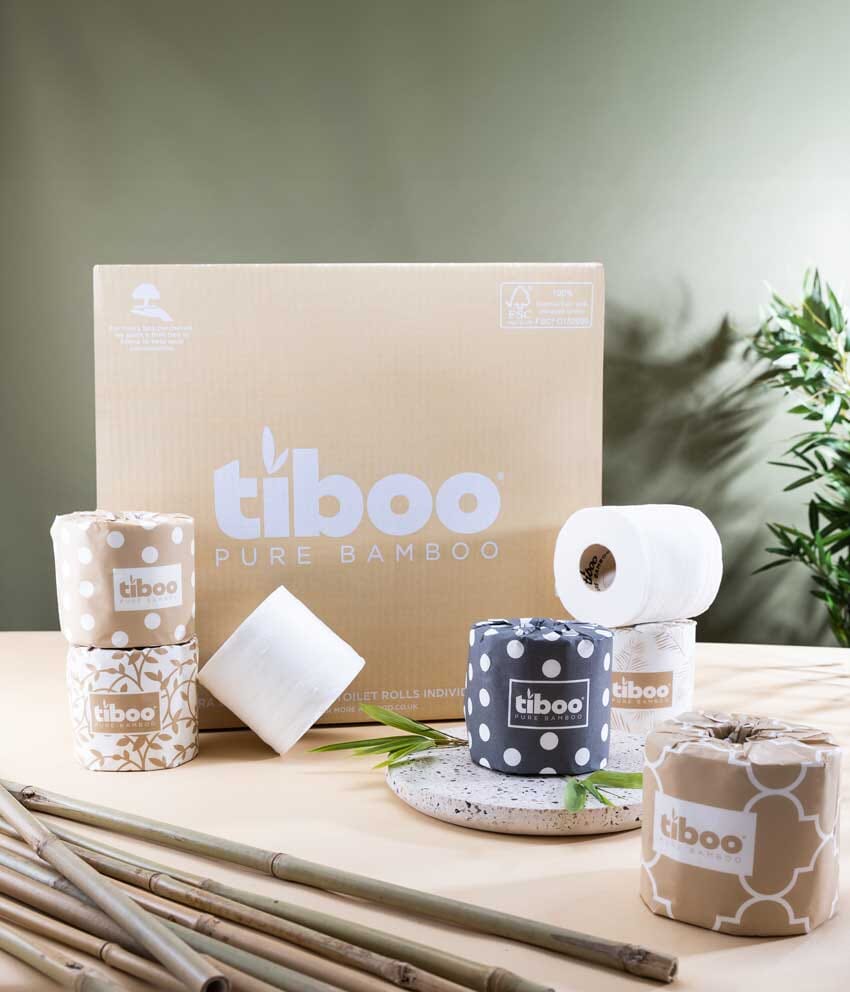
Manufacturers now use bamboo to produce everyday items such as bamboo toilet rolls and bamboo kitchen rolls. These products combine softness, durability and fast breakdown in water. At the same time, they reduce the need for large-scale tree harvesting.
New processing techniques continue to improve bamboo paper quality. These innovations focus on maintaining natural softness while increasing strength and absorbency.
Innovation depends on research and clear information. Data helps companies measure the performance of bamboo products. Manufacturers test strength, absorbency and durability to ensure consistent quality.
Environmental data is also important. It tracks water use, energy consumption and carbon emissions during production. These measurements allow companies to improve efficiency and reduce environmental impact.
Data-driven development helps bamboo products compete with traditional materials while offering better sustainability.
Bamboo innovation goes beyond paper goods. Designers and engineers now use bamboo in many industries. Bamboo fibres appear in textiles, clothing and household fabrics. Bamboo panels and boards are also used in furniture and building materials.
These developments show the potential of bamboo as a long-term sustainable resource. As technology improves, bamboo-based materials may replace less sustainable options in many everyday products. This expansion supports the idea that bamboo can play a key role in future eco-friendly manufacturing.
The environmental benefits of bamboo are significant. Bamboo grows rapidly, which reduces pressure on forests. It requires fewer chemicals and less water than many crops used in manufacturing.
Using bamboo in products helps reduce environmental strain. These items support sustainable sourcing while maintaining strong performance for everyday use. When consumers choose bamboo products, they support systems that protect forests and reduce carbon impact.
Although bamboo offers many advantages, there are still challenges. Expanding bamboo production requires careful land management to avoid overharvesting or poor farming practices.
Processing technology must also continue improving to ensure quality and efficiency. Manufacturers need consistent supply chains and responsible farming partnerships. Data and research help address these challenges by guiding better farming methods and smarter production processes.
Consumer awareness plays a large role in the growth of bamboo products. Many buyers now look for sustainable materials before making a purchase. This demand encourages companies to invest more in bamboo innovation.
Products like bamboo kitchen rolls are often the first step for households exploring eco-friendly options. These everyday items allow people to support sustainability without changing their routine. As demand grows, companies continue to improve product quality and expand bamboo product lines.
The future of bamboo innovation looks promising. Researchers continue exploring new ways to use bamboo fibers and structures. Future products may include stronger biodegradable packaging materials and improved textiles.
Advances in processing could make bamboo even more efficient and accessible. As industries adopt sustainable practices, bamboo may become a key material in global manufacturing. This development supports a long-term shift toward renewable materials that protect both resources and ecosystems.
Everyday choices help support sustainable innovation. When consumers choose products made from renewable resources, they encourage responsible production.
Switching to bamboo products is a simple way to start. These items provide reliable performance while reducing environmental impact. Small choices repeated across millions of homes can create meaningful change over time.
The concept of bamboo innovation and the future of eco-friendly products reflects a growing shift toward sustainable materials. Bamboo offers fast growth, strong fibers and versatile uses across many industries.
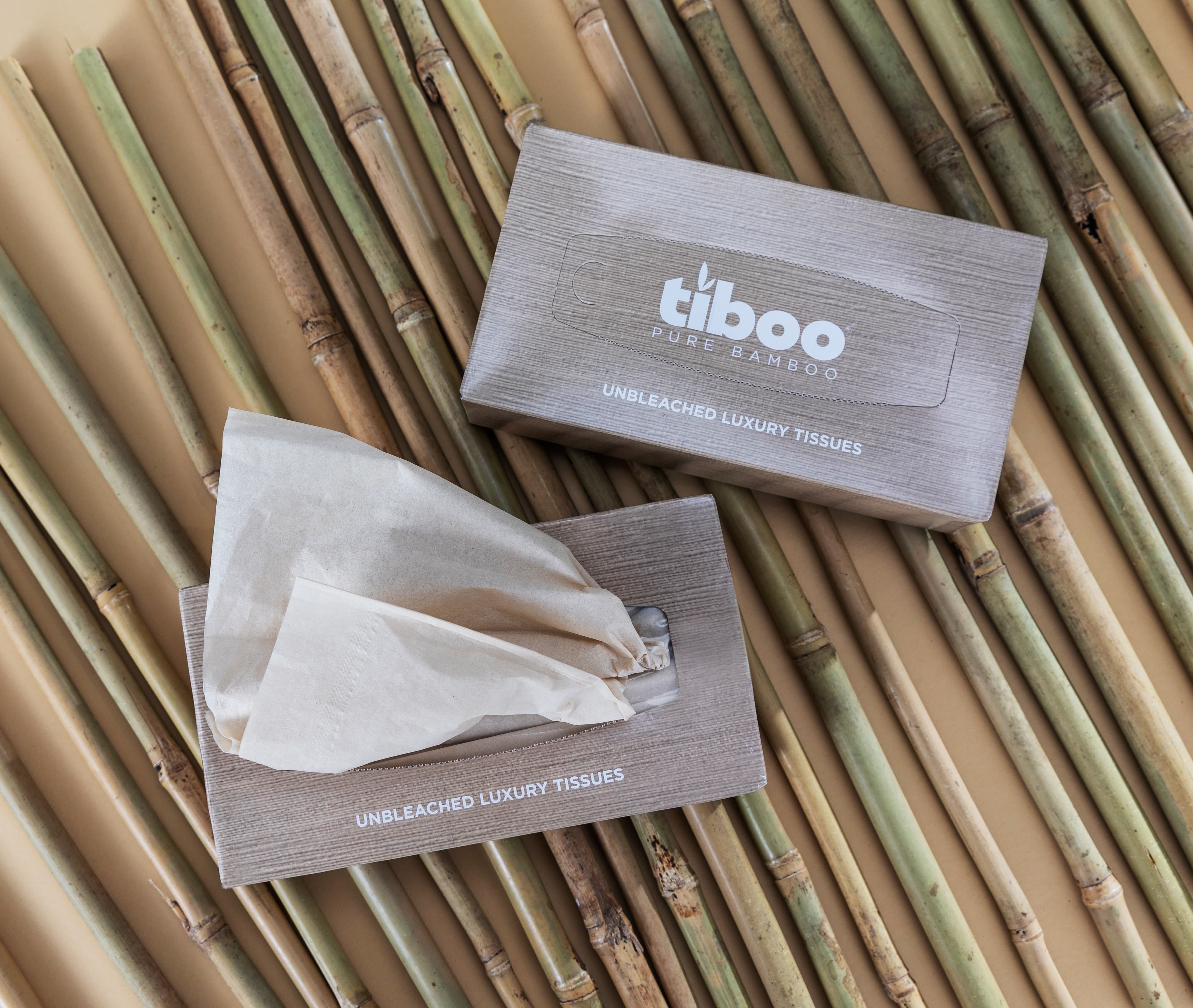
From household paper products, like bamboo tissues, to construction materials, bamboo continues to inspire new ideas and technologies. As research and technology progress, bamboo will likely play an even larger role in building a cleaner and more responsible future.
"*" indicates required fields