The simple answer is no. Not every green product is actually better for the environment. Some products only look sustainable on the surface. They may use small changes or vague claims while the main process still harms nature.
Data and clear facts are important here. A product should show real numbers, such as water saved or carbon reduced. Without proof, green claims mean very little. This is why the question are green products always better deserves careful thinking before buying.
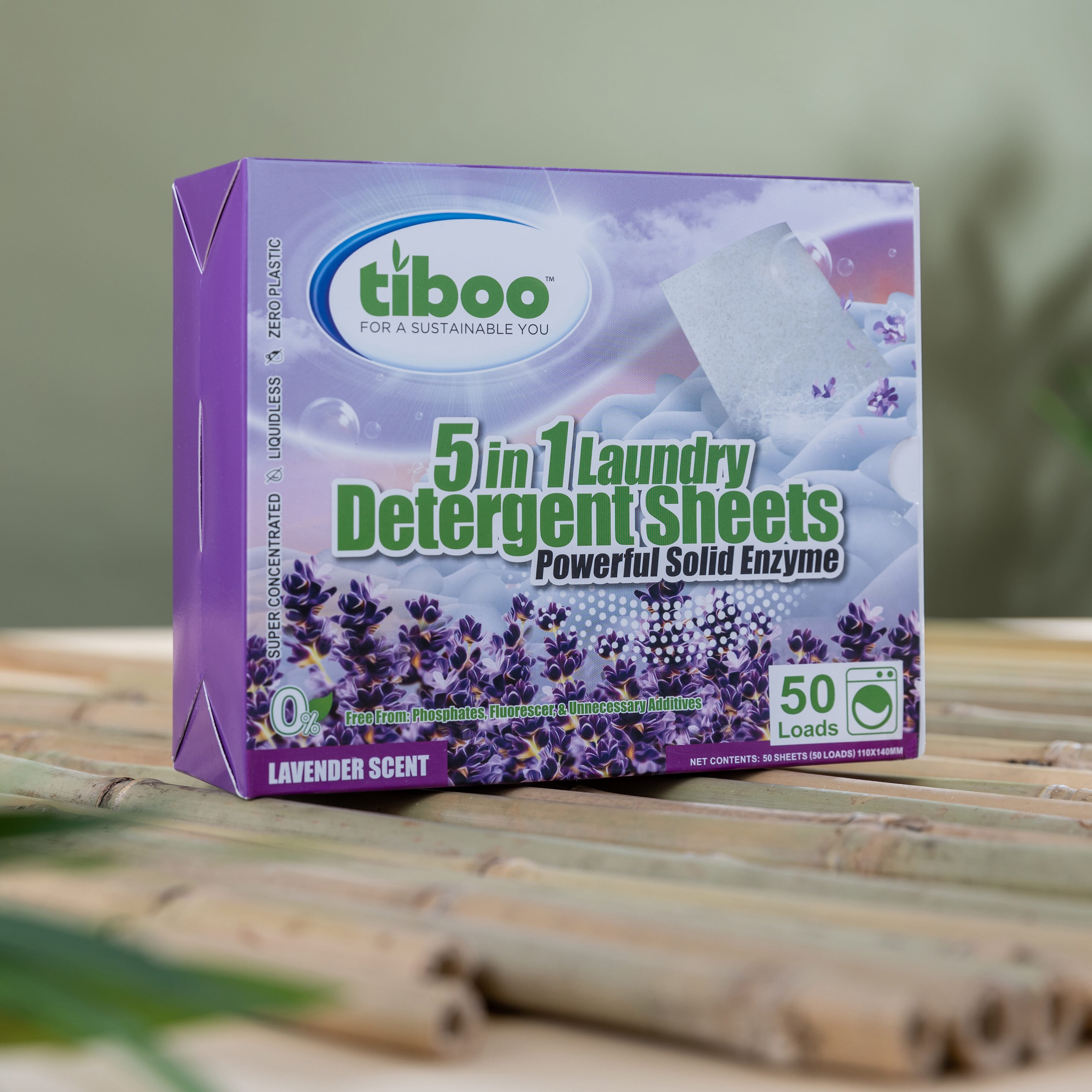
Greenwashing is when a company markets a product as eco-friendly without real evidence. The brand may use green colors, nature images or words like pure and clean. These tricks create the feeling of sustainability even if the product is not truly responsible.
Instead of real improvement, the focus stays on advertising. This misleads customers and weakens trust. It also slows real progress because shoppers may believe they already made a good choice.
Several warning signs can help you spot greenwashing quickly.
First, look for vague terms. Words like natural, green or earth safe often have no clear meaning. Second check for missing proof. If a brand makes big claims but shows no data or certifications, the claim may not be reliable.
Third, watch for hidden trade-offs. A product might highlight one small benefit while ignoring larger problems, such as heavy plastic packaging or high energy use. Clear and honest brands share both strengths and limits.
Real sustainability depends on facts. Data shows how much water is used and how much energy is saved. It measures carbon emissions and waste. These numbers allow companies to improve their processes step by step.
When brands share reports and testing results, they show transparency. This builds trust and proves their commitment. Data-driven products are easier to evaluate because the claims are supported by measurable results instead of marketing language.
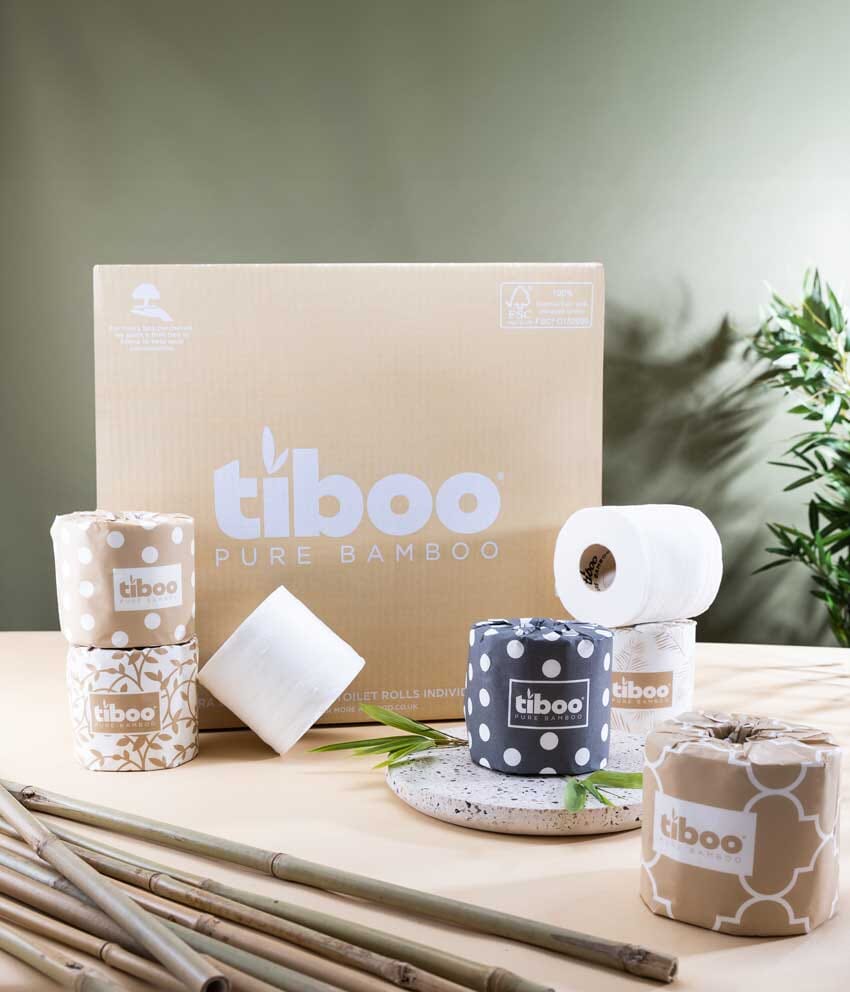
Bamboo-based paper products are often used as a good example of genuine sustainability. Bamboo grows fast and needs less water and fewer chemicals than trees. It also grows back without replanting, which reduces land use.
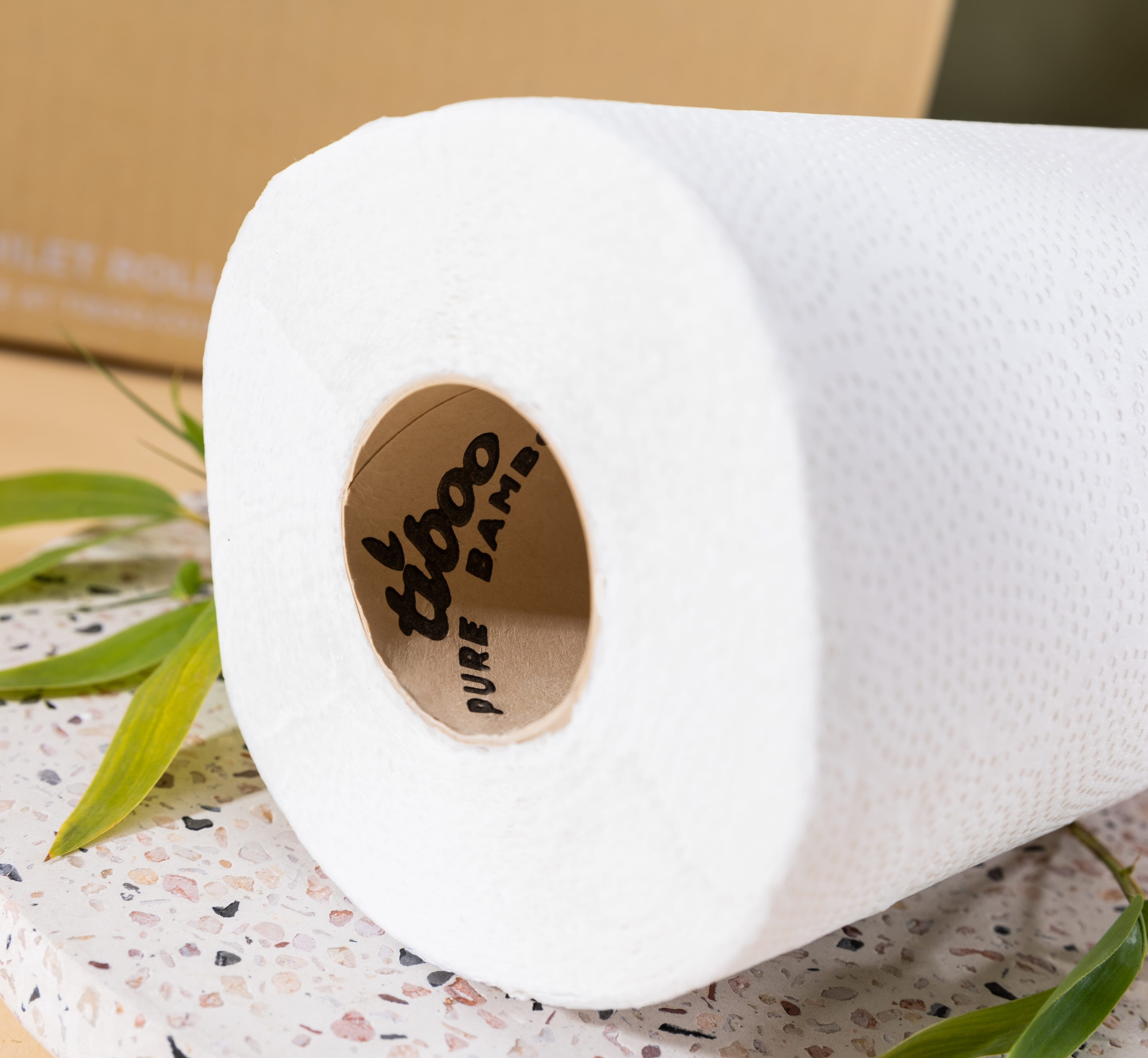
Because these benefits are supported by data, many households switch to bamboo toilet rolls for daily use. The same applies to bamboo kitchen rolls and bamboo toilet tissue, which offer both strength and lower environmental impact. These products show how real material changes can make a difference rather than just changing the label.
Labels can help if you know what to look for. Check for clear information about materials and sourcing. Look for third-party certifications that confirm environmental standards. Avoid products that rely only on design or color to suggest they are green.
Also, read the fine print. Some brands use small text to explain limits that the main label hides. Taking a few extra minutes to read details helps avoid poor choices.
Marketing often focuses on emotions. It uses pictures of forests or rivers to create a sense of care. Reality should focus on performance and data. Ask simple questions. What is the product made from? How is it produced? How much waste does it create?
If the answers are clear and backed by facts, the product is likely more trustworthy. If answers are missing or unclear, it may be greenwashing.
Greenwashing does more than confuse buyers. It slows real environmental progress. When people think they are helping the planet, they may stop searching for better options. This allows harmful practices to continue.
It also wastes money because customers may pay more for a product that offers no real benefit. Honest companies then struggle to compete with brands that only invest in marketing.
Making better choices becomes easier with a few simple habits.
Following these steps helps you support brands that act responsibly rather than just talk about it.
Sustainable living is not about buying everything labelled green. It is about thoughtful decisions and reduced waste. Buying fewer but better products often has a bigger impact than switching between trendy options.
Choosing durable items and renewable materials makes a real difference. For example, selecting bamboo toilet rolls, bamboo kitchen rolls, or bamboo loo roll supports both comfort and sustainability because the benefits are based on facts rather than marketing.
Green labels do not always mean better choices. Some products rely on marketing tricks instead of real change. Learning to question claims and look for proof helps protect both your money and the environment.
The question are green products always better reminds us to think carefully before we buy. Data transparency and honest sourcing matter more than attractive packaging. When you choose products backed by real evidence, such as bamboo-based paper goods, you support genuine sustainability and long-term positive impact.
Making informed choices every day leads to cleaner homes and a healthier planet for everyone.
"*" indicates required fields