- Toxic byproducts are formed Chlorine bleaching creates dioxins and organochlorines - persistent pollutants that are highly harmful to aquatic life and human health.
- Chemically contaminated wastewater is produced Large volumes of polluted water must be treated before being released, yet residues often still make their way into rivers and oceans.
- Fresh water consumption increases Multiple rinse cycles are required to remove chemical residues, placing additional strain on already stressed water resources.
How Unbleached Toilet Tissue Helps Reduce Water Pollution
Most people never think about toilet paper once it’s flushed away. But what if that everyday choice was quietly contributing to water pollution - or helping to prevent it?

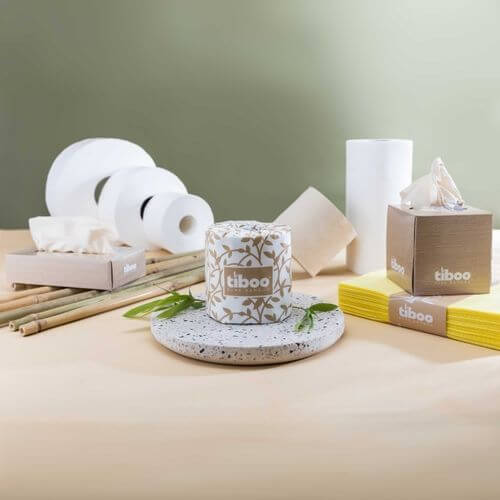
At Tiboo, we believe small, conscious decisions can create meaningful environmental impact. That’s why we produce unbleached toilet tissue that’s gentle on your skin and far kinder to our planet’s water systems. Here’s how choosing unbleached toilet tissue plays a real role in reducing water pollution.
The Hidden Cost of White Toilet Paper
That bright white toilet roll didn’t start out that way. Conventional toilet paper undergoes intensive chemical bleaching to achieve its colour - a process that carries serious environmental consequences.
Most traditional manufacturers rely on chlorine-based bleaching agents, such as elemental chlorine or chlorine dioxide. During bleaching:


How Unbleached Toilet Tissue Makes a Difference
Unbleached toilet tissue takes a fundamentally different approach - one that prioritises water protection from the very start.
1. No Toxic Bleaching Chemicals
By skipping the bleaching process entirely, unbleached toilet tissue prevents harmful compounds from entering water systems. This means:- No dioxins or organochlorines are discharged into waterways
- No chlorinated residues harming aquatic ecosystems
- Cleaner wastewater that’s easier to treat safely
2. Lower Water Usage During Manufacturing
Bleaching is one of the most water-intensive stages of toilet paper production. Unbleached tissue manufacturing:- Uses significantly less water
- Requires fewer treatment steps before wastewater is released
- Reduces pressure on municipal water treatment facilities
3. Faster, Cleaner Biodegradation
Without chemical residues, unbleached toilet tissue breaks down more naturally once flushed:- Decomposes more efficiently in septic systems and treatment plants
- Produces less sludge that requires energy-heavy processing
- Returns to the environment without leaving toxic traces
4. Healthier Waterways
Wastewater from unbleached tissue production has a lower chemical oxygen demand, meaning:- Less oxygen depletion in rivers and streams
- Healthier conditions for fish and aquatic life
- More stable, balanced ecosystems
The Impact Beyond the Factory
The benefits of unbleached toilet tissue extend well beyond manufacturing.- In your home: Unbleached tissue is gentler on septic systems, reducing the need for harsh chemical treatments that can contaminate groundwater.
- At treatment plants: Wastewater facilities can process unbleached tissue more efficiently, using less energy and fewer chemicals.
- In natural waterways: Cleaner treated water supports healthier wildlife and safer drinking water for communities downstream.
Why Choose Tiboo
At Tiboo, our unbleached toilet tissue is made from sustainably sourced materials, proving that quality doesn’t require harsh chemicals. Its natural tan colour is a reminder that cleaner water starts with smarter choices.
When you choose Tiboo, you’re choosing:
- Zero chlorine bleaching to protect waterways
- Responsible manufacturing that reduces water use and pollution
- Natural breakdown that leaves no toxic residue
- Sustainable sourcing that supports forests and water ecosystems