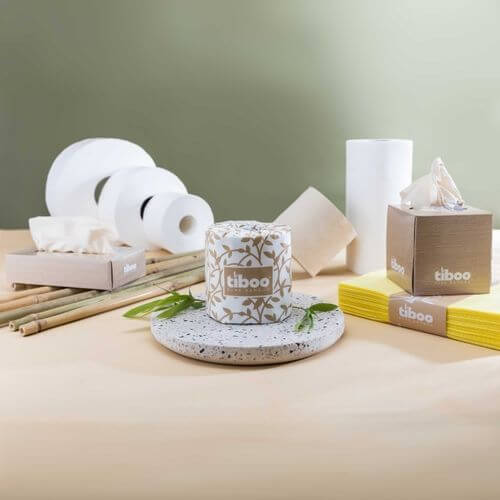
- Bamboo toilet rolls - made from fast-growing bamboo pulp rather than tree pulp.
- Recycled toilet paper - made from post-consumer waste paper (used office paper, newspapers, cardboard) that would otherwise go to landfill.
- FSC-certified virgin paper - still made from trees, but from forests independently verified as responsibly managed.
- Plastic-free packaging - paper wrapping instead of plastic film, regardless of what the roll itself is made from.
Are Eco-Friendly Toilet Rolls Worth It? The Truth About Sustainable Toilet Paper
For most households, yes - eco-friendly toilet rolls are worth it, though "worth it" depends on what you're optimising for. If you care about deforestation, plastic packaging, or simply want a household staple with a lighter footprint, switching from virgin-tree toilet paper to a certified bamboo or recycled option is one of the easiest, lowest-effort swaps you can make. The trade-offs are modest: eco toilet paper costs slightly more per roll, and quality varies by brand - but the better bamboo and recycled ranges now match or beat standard supermarket toilet paper on softness and strength.

That's the short answer. The honest answer is more nuanced, and it depends on which "eco-friendly" option you're comparing, how it's certified, and what matters most to you. This guide walks through the evidence so you can decide for yourself - with bamboo toilet rolls, Tiboo's speciality, as the main focus, alongside a fair look at recycled paper and the rest of the market.
What Are Eco-Friendly Toilet Rolls?
"Eco-friendly toilet roll" is an umbrella term, and it covers products with quite different environmental profiles. Broadly, it means toilet paper made without relying on newly logged, non-certified virgin forest, and usually manufactured and packaged with a lower environmental footprint than standard supermarket brands. In practice, that covers a few distinct categories:


Why Is Traditional Toilet Paper a Problem?
Conventional toilet paper is almost always made from virgin wood pulp - trees cut down specifically for paper production, rather than reclaimed or fast-regenerating material. Estimates of exactly how many trees this involves globally vary significantly by source and methodology, from tens of thousands to well over a million trees per day, but every credible estimate agrees the scale is large and the resource is slow to replace: a tree can take 20-30 years to mature, while the pulp is used once and flushed within seconds.
Beyond deforestation, the manufacturing process for standard toilet paper is resource-intensive: it typically requires bleaching, high water use, and energy-heavy pulping. Packaging adds a further layer of impact - most mainstream toilet paper is still wrapped in plastic film, which is rarely recycled and can persist in landfill or waterways for decades.
None of this means traditional toilet paper is uniquely villainous compared to other household products - but it is one of the few everyday items where a genuinely lower-impact, similarly-priced alternative is readily available, which is part of why it's become a popular "starter swap" for people beginning to make greener choices at home.
Bamboo Toilet Rolls: Why Are They Becoming Popular?
Bamboo has become the standout material in sustainable toilet paper for a simple reason: it grows extraordinarily fast. Some bamboo species can grow several feet in a single day, and a bamboo plant can typically be harvested within three to five years - compared to the decades a tree takes to mature. Because bamboo regenerates from its own root system after cutting, it doesn't need replanting the way a felled tree does, which reduces land disturbance over time.
Bamboo farming also tends to use less water than growing trees for pulp, and because bamboo pulp requires a different processing approach, tissue made from bamboo generally produces meaningfully lower emissions than tissue made from virgin tree pulp, though estimates of exactly how much lower vary by study and supply chain.
On the consumer side, bamboo has closed the gap with conventional toilet paper on the things people actually notice day to day:
- Softness - bamboo fibres are naturally fine, and 3-ply bamboo tissue is now comparable to premium supermarket ranges.
- Strength - bamboo fibres are long and tensile, so good-quality bamboo toilet paper resists tearing during use.
- Consumer experience - most complaints about early bamboo toilet paper being "rough" or "thin" relate to older or lower-quality ranges; today's premium 3-ply bamboo rolls perform very differently.
Bamboo Toilet Rolls vs Recycled Toilet Paper: What's the Difference?
Both are legitimate sustainable choices, and the "better" one depends on what you're prioritising. Here's a balanced side-by-side:
The honest conclusion: both can be genuinely sustainable choices, and the deciding factor is often sourcing and manufacturing transparency rather than the raw material itself. A bamboo roll from an uncertified, opaque supply chain isn't automatically better than a transparent, locally-processed recycled roll - and vice versa.
| Factor | Bamboo Toilet Rolls | Recycled Toilet Paper |
|---|---|---|
| Source material | Bamboo fibres (a fast-growing grass, not a tree) | Reclaimed post-consumer paper (used office paper, cardboard, newspaper) |
| Sustainability benefits | No virgin trees felled; bamboo regenerates quickly without replanting; generally lower emissions than virgin tree pulp | Diverts existing waste paper from landfill; requires no new raw material at all; often the lowest carbon footprint of the two when made and used locally |
| Manufacturing considerations | Often processed and shipped from Asia, so transport emissions can be higher unless offset or shipped by sea freight | Can be processed closer to the point of sale (e.g. UK or EU mills), reducing transport emissions, but de-inking and reprocessing waste paper adds its own energy use |
| Softness | Naturally fine, silky fibres; premium 3-ply bamboo rivals standard supermarket softness | Historically the weaker point - recycled paper can feel thinner or less soft, though quality has improved significantly |
| Strength | Long, tensile fibres that resist tearing | Can be more prone to tearing, since fibres shorten each time paper is recycled |
| Cost | Typically mid-to-premium priced | Often the most affordable eco-friendly option, especially own-brand supermarket recycled ranges |
| Best for | Households prioritising softness and a premium supermarket-like experience, with a strong land-use sustainability story | Households prioritising the lowest possible new-resource use and cost, and comfortable with variable softness |
Are Bamboo Toilet Rolls as Good as Normal Toilet Paper?
For most people, yes - with a few honest caveats:
- Comfort and softness: Premium 3-ply bamboo toilet paper is now comparable to mid-range and premium supermarket brands. Budget bamboo ranges can still feel thinner.
- Absorbency: Bamboo fibres absorb well, generally performing on par with standard tissue.
- Strength: Good bamboo toilet paper holds together well during use; lower-quality or single-ply ranges may tear more easily.
- Family use: 3-ply bamboo copes well with higher-volume household use, though large families may want to compare cost-per-sheet against their usual brand before switching entirely.
- Septic tank compatibility: Bamboo fibres are naturally shorter and break down quickly in water, which several plumbing and septic-system guides note makes it a suitable, low-clog option for septic systems - though this is more relevant to homes without mains sewage connections than the typical UK household.
Are Bamboo Loo Rolls More Expensive?
No - though the gap is often smaller than people expect, and can disappear entirely with bulk or subscription pricing.
- Price per roll: Bamboo toilet rolls typically sit above own-brand supermarket toilet paper, and are broadly comparable to premium mainstream brands.
- Price per sheet: Because ply count, sheet size and sheets-per-roll vary so much between brands, price-per-roll is a misleading comparison on its own - price-per-100-sheets is the fairer way to compare eco brands against each other and against conventional toilet paper.
- Long-term value: Bulk boxes (24-48 rolls) and subscriptions generally reduce the per-roll cost meaningfully, and cut down on emergency supermarket top-ups.
- Why sustainable products can cost more: Certified sourcing, smaller production runs, and plastic-free packaging all add cost compared to mass-produced supermarket ranges made from cheaper virgin pulp at enormous scale. This isn't a markup for the sake of it - it reflects a genuinely different, more accountable supply chain.
Common Myths About Bamboo Toilet Paper
"Bamboo toilet paper is rough." True of some older or budget ranges, but not a fair description of quality 3-ply bamboo tissue today, which is engineered specifically for softness.
"Bamboo is automatically sustainable." Not quite - bamboo is a naturally fast-growing, renewable material, but sustainability depends on how and where it's farmed and processed. Look for independent forestry certification (like FSC) rather than taking "bamboo" as a sustainability guarantee on its own.
"Eco toilet paper doesn't work as well." This was a fairer criticism a decade ago than it is now. Modern bamboo and recycled ranges, particularly 3-ply options, are designed to match conventional toilet paper on softness and strength.
"One household can't make a difference." Toilet paper is used by nearly every household, every day, which is exactly why small individual swaps add up to meaningful demand shifts at scale - it's one of the few products where switching genuinely changes what gets manufactured.
"Sustainable products are always expensive." Bamboo and recycled toilet paper sit close to premium supermarket pricing, not luxury pricing, and bulk or subscription buying frequently closes the gap further.
How to Choose the Best Eco-Friendly Toilet Rolls
A quick checklist for evaluating any bamboo or recycled toilet paper brand:
- Bamboo sourcing - is the bamboo grown on established plantations, not cleared natural forest?
- Certifications - does it carry FSC (or equivalent) certification, verified by an independent third party rather than a brand's own claim?
- Packaging - is the roll wrapped in paper or compostable material rather than plastic film?
- Transparency - does the brand publish where and how its product is made, rather than relying on vague "eco" language?
- Quality - does it specify ply count and sheet size, so you can compare like-for-like against other brands?
- Reviews - do genuine customer reviews back up softness and strength claims, beyond the brand's own marketing?
Why Tiboo Chooses Bamboo
Tiboo focuses specifically on bamboo toilet rolls and other stuff too, rather than trying to be all things to all shoppers, because bamboo's growth speed and regenerative properties offer a particularly strong land-use case among sustainable materials - and because it lets us focus entirely on getting one thing right: soft, strong, genuinely certified bamboo tissue, sourced and packaged responsibly, without plastic.
That doesn't make bamboo the "correct" answer for every household - as this guide has tried to show honestly, recycled toilet paper is a legitimate and often excellent choice too, particularly for buyers who prioritise using existing waste paper over farming new material. But for households who want the softness and strength of a premium toilet roll alongside a genuinely lower-impact supply chain, bamboo - done properly, with real certification and real transparency - is a switch worth making.