A Room-by-Room Guide to Reducing Waste at Home
Most household waste does not come from one major decision. It builds up through small daily habits that are easy to overlook. A disposable wipe here and an unused food item there may not seem important at the time. However, these choices can add up quickly when they happen every day.

The good news is that reducing waste does not require a complete lifestyle change. You can start with the rooms you use most and make practical changes that fit your normal routine. A Room-by-Room Guide to Reducing Waste at Home makes the process easier because it turns a large goal into smaller steps that feel much more manageable.
Start with the kitchen


Make the bathroom less wasteful
Choose everyday products carefully
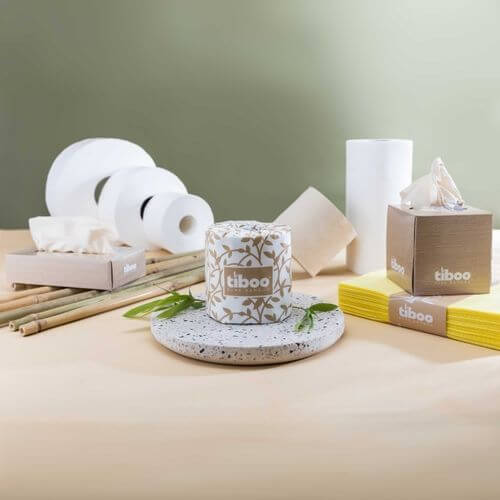
Bathrooms contain many disposable items. Toilet paper and tissues are used regularly so even a small change can affect the amount of material consumed over time. Some households now choose bamboo toilet rolls as an alternative to conventional paper. The main benefit is that bamboo grows quickly and can provide a renewable source of fibre when it is responsibly grown and processed. Reducing waste does not mean avoiding useful products. It means considering whether the materials and quantities you use are suitable for your needs.Rethink waste in the bedroom
Bedrooms may produce less waste than kitchens and bathrooms, but there are still opportunities to improve daily habits. Clothes are a good example because unwanted garments often end up being discarded even when they could still be useful.
Before buying something new, consider whether you actually need it and whether an existing item could serve the same purpose. Clothes that no longer fit or suit your needs can often be donated or passed on rather than placed in the bin.
Likewise, bedding and other household fabrics can sometimes be repaired or reused for cleaning before being thrown away.
Reduce unnecessary waste in the living room
Look at packaging and old items
Living rooms often collect packaging from deliveries along with magazines and unused household goods. Keeping a recycling box nearby can make it easier to separate suitable materials before they reach the general waste bin. Old electronics should not normally be placed in ordinary household rubbish. Instead check local recycling options for electrical items and batteries. Furthermore, avoid replacing furniture simply because your taste has changed. Repairing or updating a useful item can prevent a perfectly good product from becoming waste.Make personal care more thoughtful
Personal care products create another steady stream of household waste. Cotton pads and disposable tissues are common examples.
Choosing reusable options where practical can reduce the number of items thrown away. However, convenience still matters. The best choice is one that you can maintain rather than a change that becomes difficult after a few weeks.
For everyday facial care, some households use bamboo toilet tissue as an alternative paper option. This can form part of a wider effort to consider the materials behind products used regularly.
Take a wider look at your home
Small changes work better when they last
A useful way to follow A Room-by-Room Guide to Reducing Waste at Home is to avoid changing everything at once. Start with the room where you notice the most waste and focus on one or two habits. Once those changes become normal, you can move to another area. This approach feels less demanding and makes it easier to maintain progress. Most importantly, do not aim for perfection. A sustainable routine should fit your real life and not create unnecessary pressure.Build better habits across the whole household
Reducing waste becomes easier when everyone at home understands the reason behind the changes. Children can learn to separate recycling, and adults can pay closer attention to food portions and unnecessary purchases.
Clear storage also helps because people are less likely to buy duplicates when they can easily see what they already have.
Over time, a Room-by-Room Guide to Reducing Waste at Home becomes less about avoiding every piece of waste and more about making sensible choices before waste is created.
Final thoughts
The most effective way to reduce household waste is to look at everyday behaviour rather than searching for one perfect solution. Kitchens can benefit from better food planning while bathrooms can use more carefully selected paper products. Bedrooms can focus on repairing and reusing clothing, and living rooms can reduce unnecessary purchases and improve recycling habits.
Ultimately, A Room-by-Room Guide to Reducing Waste at Home shows that meaningful changes can begin with ordinary decisions. You do not need to change your entire lifestyle overnight. Start with one room and one habit and then build from there. When those small choices become part of normal household life, they can reduce waste without making your daily routine complicated.